Governance and Administration in Lübeck: Structural Changes and Digital Transformation in January 2026
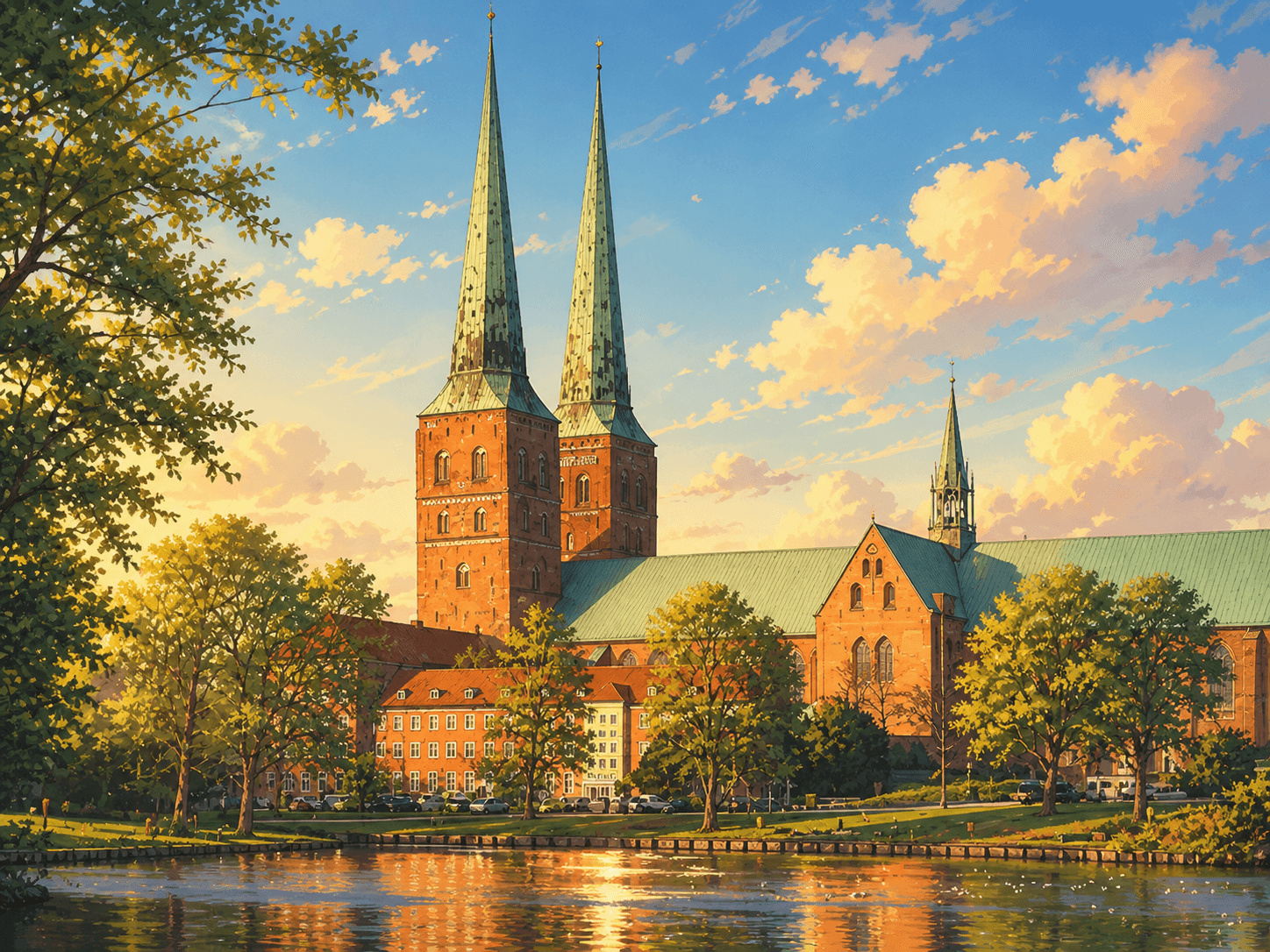
In January 2026, Lübeck focused on fundamental reforms in administration, digital services, and political structures. A comprehensive analysis of the most important developments.
Governance and Administration in Lübeck: Structural Changes and Digital Transformation
In January 2026, the Hanseatic city of Lübeck placed a stronger emphasis on governance decisions aimed at shaping the future. From the youth welfare office to digital administrative services and budget planning, the city's politics demonstrated the ability to tackle complex challenges with strategic objectives. These decisions not only reflect the current administrative culture but also lay the foundation for a long-term, transparent, and citizen-oriented administration.
Structural Reforms in the Youth Welfare Office: From Fragmentation to Integration
The restructuring of Lübeck's youth welfare services represents a central milestone in the city's governance development. With support from the external consulting firm gfa | public GmbH, a three-stage implementation plan was developed to consolidate all responsibilities of child and youth welfare into a unified youth office. This merger is less a formality and more a response to structural deficiencies that had impaired the effectiveness and professional coherence of youth welfare services.
The phased implementation – starting in Q1 2026 – is carefully planned to avoid conflicting objectives and steering obstacles. The creation of a unified youth office will, in the long term, lead to better coordination, clear responsibilities, and improved resource accountability. At the same time, the implementation is not without risks: poor integration could negate the planned benefits.
Digitalization as a Central Governance Instrument
Lübeck has positioned itself as a pioneer in digital administration in recent years. In January 2026, progress in this area became particularly evident. The digital citizen service – including online appointment booking, relocation, and issue management – continues to be expanded. The central point of contact for citizens remains the official service number (0451) 115, while the Lübeck Political Information System (PIS) serves as a transparent platform for meeting data and participation processes.
Another milestone is the active inclusion of citizens in municipal planning processes. Digital participation is enhanced in projects such as "Lübeck 2040" and the Lübeck Digital Advisory Board. The city is pursuing not only a technical but also a democratic vision: more transparency, more participation, more sovereignty.
Budget Planning and Financial Consolidation
The 2026 budget planning is another focus of governance developments. With a planned operating budget of –148.788 million euros and investments of 129.124 million euros, Lübeck is relying on careful budget planning. The cancellation of 85.5 planned new positions shows that the city is deliberately avoiding personnel expansion. Instead, a staff pool is being established, creating flexibility without incurring additional costs.
The investment planning is embedded in a medium-term perspective, with measures such as the renovation of the Stadtgrabenbrücke bridge and the Sport and Civic Park Neuhof standing out in particular. The consolidation of the budget is not only a financial but also a political challenge. It requires compromises, prioritization, and – above all – transparency towards citizens.
Governance Structures and Political Processes
The political structure in Lübeck is complex but well organized. The City Council, the committees, and the advisory boards form a network that fulfills both democratic and administrative functions. In January 2026, elections and compositions in various bodies were in the foreground, with BÜNDNIS 90 / DIE GRÜNEN playing an active role in proposing new members.
The citizen question hour remains an important instrument for direct citizen participation. Discussions on topics such as safety analysis, climate protection, and traffic regulations show that politics in Lübeck not only rely on decisions but also on dialogue. At the same time, anti-discrimination efforts are being intensified – with the Charter of Diversity and the Discrimination Contact Point as central instruments.
Outlook: Governance 2026 and Beyond
The governance developments in Lübeck show a clear trend: away from fragmentation and toward integration, away from pure formalities and toward substance, away from bureaucratic structures and toward transparency and citizen participation. The restructuring of the youth office, progress in digital administration, and careful budget planning are not only successes of January 2026 but also indicators of a long-term governance strategy.
What remains to be seen is whether these structural changes will actually lead to sustainable governance development – and whether the citizens of Lübeck will perceive this as part of their urban life. The answer to this will depend not only on politics but also on the willingness of society to actively engage.
NeoSearch analyses public council documents, committee minutes and municipal announcements. Source references appear automatically once verified meeting data is available.
What does this mean for businesses?
Town halls, fire stations, depots and administrative buildings create early construction and refurbishment opportunities. Following council agendas reveals projects before they go to tender.
Track similar decisions in your region
Set up monitoring for public buildings & administration in Schleswig-Holstein — prefilled from this article.
Set up monitoring →More signals from Luebeck
Economic Boost for Lübeck: Belt Crossing, Energy Cooperation, and Land Policy in April 2026
In April 2026, Lübeck set economic impulses: The Fixed Fehmarn Belt Crossing was discussed as a central growth engine, energy cooperation with Denmark was deepened, and a centrally located plot of land was secured for the future.
Read more → Culture and Community in Lübeck: Outlook for April 2026
In April 2026, Lübeck will be focusing on its cultural outlook. Numerous museums and cultural projects shape the cityscape, while decisions on heritage protection, funding, and educational programs are being made. An overview of the most important developments.
Read more → Lübeck's Urban Development 2026: Where Urban Planning, Climate and Mobility Converge
In April 2026, important decisions on urban development were at the center of attention in Lübeck. From the redesign of Mühlentorplatz through the zoning plan for Moisling to the preservation of green spaces and the future of the Lümo night-time transport: The city's planning shows how closely traffic, infrastructure, climate protection and financial feasibility are interwoven.
Read more →