Climate Protection in Kiel: Between Implementation, Resistance, and Winter Challenges
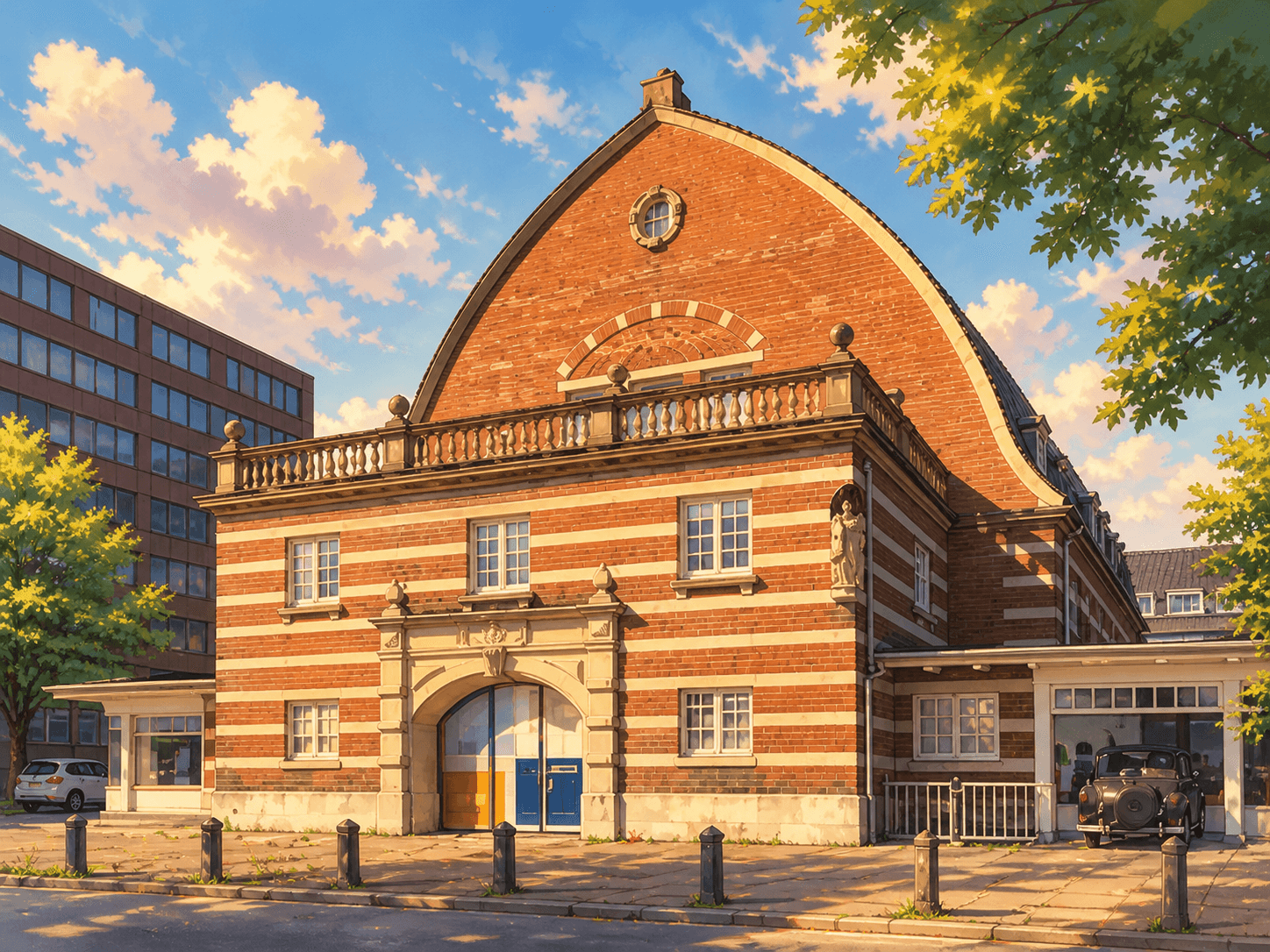
In January 2026, several climate-related decisions were at the center of attention in Kiel. While some initiatives such as the renovation of sports facilities and the expansion of electromobility are progressing, other measures are facing resistance – particularly from conservative circles. At the same time, the challenges arising from climate adaptation are becoming evident, especially in winter services.
Climate Protection in Kiel: A Balance Between Progress and Resistance
In January 2026, it became evident that Kiel is experiencing both progress and resistance on the path to climate neutrality. Numerous initiatives have been launched, including the renovation of sports facilities, the expansion of electromobility, and the evaluation of mobility measures. At the same time, a motion calling for an immediate end to all climate protection measures was met with widespread rejection – yet the debate reveals the deep societal tensions hidden behind climate policy.
Climate Protection Measures: Motion Rejected, Debate Continues
The motion by the dieBasis faction to halt all climate protection measures was rejected by a large majority at the council meeting on January 15, 2026. The reasoning was based on the view that climate protection remains necessary even in adverse weather conditions – such as the snowfall in January. The argument that cold snaps overwhelm the infrastructure was met with particular skepticism. Critics emphasized that climate protection should not be confused with short-term weather conditions.
The rejection of the motion underscores the political majority opinion in Kiel: climate protection is indispensable, even though it requires adjustments to the realities of climate change. However, the motion also shows that there are still resistances against comprehensive climate protection measures in certain parts of the population and the political sphere – a fact that cannot be underestimated in discussions about the city's future.
Winter Services: Criticism of Implementation, Commission for Optimization
Another central point in the debate was the winter services and their impact on public transport. Despite clear priorities for main traffic axes and public transport routes, important connections remained unused during snowfall. The Mayor was tasked with providing a detailed analysis of winter service priorities, capacities, and deficits. Critics argued that a standstill in public transport contradicts the goals of the mobility transition and climate-friendly urban development.
The debate around winter services also raises the question of whether existing structures and resources are sufficient to meet the demands of climate adaptation. The call for the optimization of winter services is a clear signal that Kiel needs not only green technologies, but also resilient infrastructure.
Renovation and Energy Efficiency: Sports Facilities and Boathouses in Focus
Another focus was the renovation of municipal sports facilities within the federal program "Renovation of Municipal Sports Facilities." The Freibad Katzheide and the municipal student boathouse Kiellinie 11 are in the spotlight. Both projects aim for a comprehensive upgrade that meets not only sporting, but also climatic requirements. The renovations include energy measures such as insulation, window replacement, and LED lighting, as well as the installation of photovoltaic systems. These measures are part of a broader effort toward climate neutrality and energy efficiency in the municipal sector.
Outlook: Climate Protection Remains a Central Topic
The political decisions of January 2026 show that Kiel is on a clear course of climate adaptation and protection – despite resistance. The rejection of the motion to end climate protection measures and the commissioning of the optimization of winter services suggest that the city is ready to continue the path of sustainability, even in the face of resistance and challenges.
What remains is the question of how Kiel will maintain the balance between climate protection, infrastructure, and social change in the future. The January debates show: there is no simple answer. But they also show that the debate is lively and relevant – and that is a good starting point for the next steps.
NeoSearch analyses public council documents, committee minutes and municipal announcements. Source references appear automatically once verified meeting data is available.
What does this mean for businesses?
Municipal heat planning, photovoltaics and climate measures create early project indicators. Following council decisions surfaces sites and tenders before they are publicly advertised.
Track similar decisions in your region
Set up monitoring for environment & climate in Schleswig-Holstein — prefilled from this article.
Set up monitoring →More signals from Kiel
Budget Decisions in Kiel: Default Guarantees, Property Acquisition, and Security Concepts
In April 2026, the city of Kiel made a wide range of decisions in the financial and budgetary sector that will have far-reaching implications for urban development and financial stability. From default guarantees for municipal companies to the acquisition of a property for a Marine Visualization Center – the focus was on long-term planning and ensuring financial flexibility.
Read more → Governance in Kiel: Structural Changes and Challenges in April 2026
In April 2026, significant governance decisions took center stage in Kiel—from the inauguration of the new Mayor to the restructuring of committees and key topics such as digitalization and financial policy. An overview.
Read more → Youth Participation in Kiel: How Young Voices Gain Influence
In April 2026, Kiel focused on numerous topics concerning youth participation – from leisure activities to safety in city districts. An overview of the most important decisions and debates.
Read more →