Governance in Kiel: Structural Changes and Challenges in April 2026
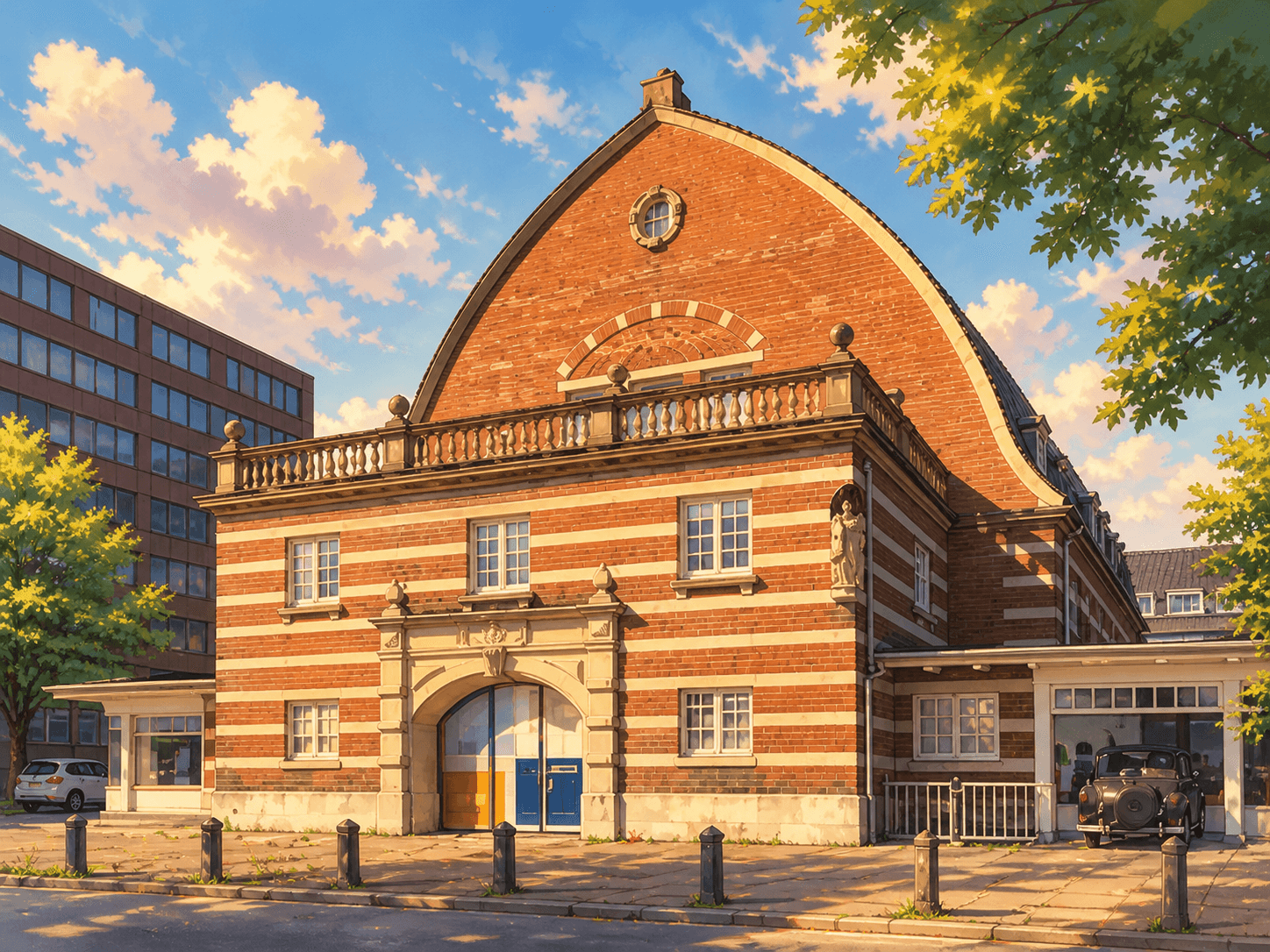
In April 2026, significant governance decisions took center stage in Kiel—from the inauguration of the new Mayor to the restructuring of committees and key topics such as digitalization and financial policy. An overview.
Governance in Kiel: Structural Changes and Challenges in April 2026
The capital city of Schleswig-Holstein, Kiel, has emerged as a central political and administrative hub for fundamental changes in April 2026. With the inauguration of the new Mayor, Dr. Samet Yilmaz, comprehensive committee reassignments, and a wide range of motions and consultations, the city has taken decisive steps in shaping its governance and administrative structure during this month.
Inauguration and Administration: A New Chapter
On April 21, 2026, Dr. Samet Yilmaz was unanimously sworn in as the new Mayor of Kiel. Following twelve years of Dr. Ulf Kämpfer's tenure, Yilmaz marks the beginning of a new chapter in Kiel's governance. In his speech, Yilmaz emphasized themes such as transparency, equal opportunity, social cohesion, and sustainability as central guiding principles for his term. His political priorities are evident not only in the administration but also in the way he advocates for open communication and the building of trust.
The administrative leadership continues to include Dr. Ulf Kämpfer, Doris Grondke, Gerwin Stöcken, Renate Treutel, and Alke Elisabeth Voß. This demonstrates that despite personnel changes in political roles, the administration remains stable and draws on its experience.
Committee Reassignments and Governance Structure
A central topic in the Council meetings was the reassignment and composition of committees. Numerous motions for the reappointment of members to local advisory boards, supervisory boards, and administrative boards were passed without debate. This indicates how swiftly and purposefully the city acts on its governance structure—particularly in areas such as the Förde Sparkasse, KiWi GmbH, and the Youth Welfare Committee.
In addition, a motion was submitted for a new version of the charter of the Senate for Culture and Science, signaling a realignment in cultural governance. Such measures are often of strategic importance, as they influence the city's future viability.
Financial Policy and Investments: Limited Room for Maneuver
The city's financial situation remains challenging. In April, an 80% guarantee for the Kieler Sportstätten- und Stadiongesellschaft mbH was requested. In addition, a 90% guarantee for a yet-undefined project is under consideration. The city is facing limited financial flexibility, which complicates investments and long-term planning.
These issues highlight how closely governance decisions are linked to financial management. Transparency and sustainability in financial policy become central challenges in this context.
Digitalization and Administrative Modernization
Another key focus was on digitalization and the modernization of public administration. The city is positioning itself as a modern administration that acts as a service provider for the city, a stance that becomes evident in the debate over the use of proprietary software (mainly Microsoft) and the introduction of open-source solutions. The municipality plans to discuss license fees for US-based software providers and contract details with Microsoft in the Council meeting.
Additionally, the city mayor reported on delegation trips to San Francisco and Tanzania, which took place in the context of administrative and partnership development. These international connections are part of a strategic approach to position Kiel as a modern and connected city.
Outlook: Governance as a Key to Future Success
The governance decisions of April 2026 show that Kiel is in a phase of structural adjustment and strategic realignment. With the new administrative leadership, a dynamic committee structure, and a clear financial and digital agenda, the city has created the prerequisites for addressing future challenges.
The coming months will show how political guidelines can be translated into concrete actions—particularly in times when sustainability, transparency, and social justice are more important than ever.
NeoSearch analyses public council documents, committee minutes and municipal announcements. Source references appear automatically once verified meeting data is available.
What does this mean for businesses?
Town halls, fire stations, depots and administrative buildings create early construction and refurbishment opportunities. Following council agendas reveals projects before they go to tender.
Track similar decisions in your region
Set up monitoring for public buildings & administration in Schleswig-Holstein — prefilled from this article.
Set up monitoring →More signals from Kiel
Budget Decisions in Kiel: Default Guarantees, Property Acquisition, and Security Concepts
In April 2026, the city of Kiel made a wide range of decisions in the financial and budgetary sector that will have far-reaching implications for urban development and financial stability. From default guarantees for municipal companies to the acquisition of a property for a Marine Visualization Center – the focus was on long-term planning and ensuring financial flexibility.
Read more → Youth Participation in Kiel: How Young Voices Gain Influence
In April 2026, Kiel focused on numerous topics concerning youth participation – from leisure activities to safety in city districts. An overview of the most important decisions and debates.
Read more → Pedestrian Traffic in Kiel: Priorities, Project Implementations, and Challenges in April 2026
In April 2026, Kiel intensified its focus on the future viability of pedestrian traffic. Numerous projects aimed at improving barrier-free access, crossing safety, and wayfinding were approved or put into planning. This blog article analyzes the key decisions, developments, and perspectives on mobility in the Hanseatic city.
Read more →