Kiel in the Spotlight: Sports Policy in February 2026
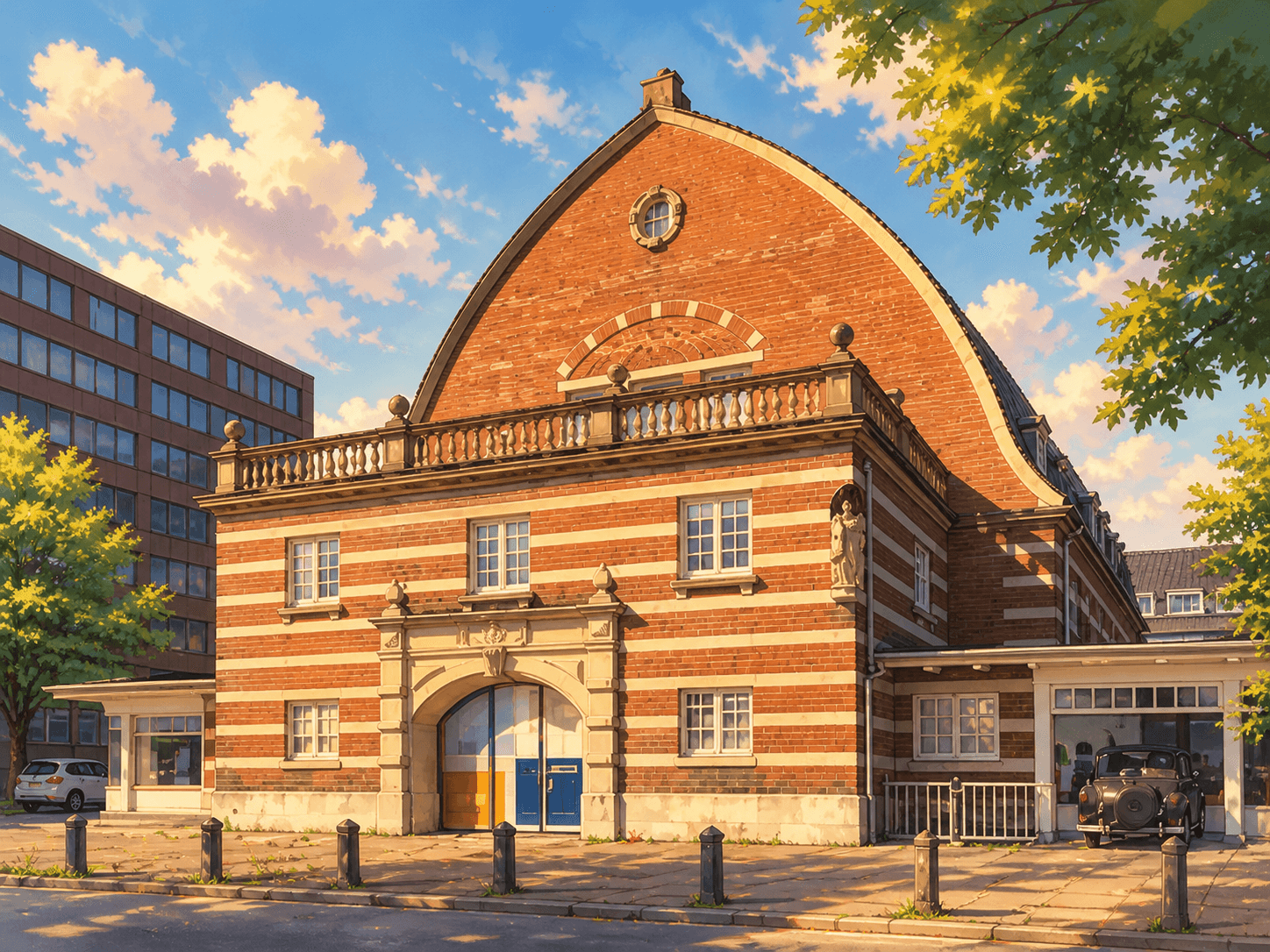
In February 2026, Kiel was under particular pressure in the sports sector. The bid for the Olympic Games, investments in sports facilities, and the recognition of athletes shaped the municipal political agenda. Our deep dive highlights the most important developments, backgrounds, and challenges.
Kiel and Sports: An Evolving Agenda
February 2026 was a highlight month for sports policy in Kiel. With the intense discussion around the city's bid for the Olympic Games, the continuation of renovation projects, and the recognition of outstanding athletes, it became clear how deeply sports are embedded in the city's society. The sports policy agenda reflects both the ambitions and the diverse challenges of a modern city.
The Olympic Bid: A Decision for the Future
Kiel's bid to host Olympic and Paralympic sailing competitions, as well as potentially other sports (open water swimming, coastal rowing, handball, rugby) for 2036, 2040, or 2044 was a central topic of discussion in February 2026. The Committee for Education and Sports discussed the issue and approved the supporting information and cost planning. The decision on the bid will be finalized by a public referendum on April 19, 2026.
The costs for the bid itself are significantly lower than in previous application phases: 304,000 euros for the public referendum, 52,000 euros for events and public relations, and 40,000 euros for other expenses. The planned investments in infrastructure, particularly at the sailing location Schilksee, are estimated between 10 and 15 million euros. Funding applications have already been submitted or approved at the federal and state levels.
A central element of the concept is the Olympic Village in Schilksee, which will be used as social housing after the Games. This reuse sends an important signal for sustainability and social responsibility.
Despite broad support from most council factions, there were also critical voices, particularly from the opposition. A motion for an amendment was rejected, with AfD and DIE LINKE/Die PARTEI supporting it. The discussion shows how polarizing such major events can be in politics.
Sports Facilities Development and Renovation Projects
In addition to the Olympic bid, specific sports facility-related projects were also in focus. The renovation of the Schilksee swimming hall and the construction of a new training pool are central measures to modernize the sports infrastructure. The company Flenker Bau GmbH was commissioned with the award of the extended structural work, marking a milestone in the project's realization.
The Holstein Stadium, another key project, also made progress. First building permits are planned for May 2026, and the foundation slab is scheduled to be poured in the summer. This is particularly relevant as the stadium plays a central role not only for professional sports but also for amateur sports and youth activities.
The Hasselfelde Beach, planned as a new leisure area for the citizens of Kiel, will not open until October 2026. Its use is planned for the 2027 summer season. This shows how long-term some projects are and requires patience and understanding from the public.
Honors and Achievements: Putting People at the Center
In February 2026, 137 adult athletes were honored for their outstanding achievements in 2025. The awards were based on the sports support guidelines of the capital city of Kiel. Both national and international successes were recognized, such as at the European Rowing Championships or the World Blokart Championships.
Important figures in Kiel's sports scene, such as Christian Plump and Heiko Kröger, both from the sailing sector, were in the spotlight. Successes in other sports such as rowing, handball, or athletics were also acknowledged. Particularly noteworthy is the role of clubs like THW Kiel, MGC Olympia Kiel e.V., and the Kieler Turnerbund, which significantly shape the city's sports culture.
The honors underline that sports in Kiel are not only a tool for major events but also highlight the individual and collective performance of athletes. Additionally, this initiative supports the strategic goal of a "Social City" and strengthens identification with local sports.
Outlook: Sports as a Bridge to the Future
The sports policy developments in February 2026 show that Kiel is positioning itself as a modern, sports-loving city. The Olympic bid, the renovation of sports facilities, and the recognition of sports achievements are not isolated projects but part of a comprehensive strategy that uses sports as a social, economic, and cultural force.
The future will show whether the public referendum for the Olympic bid turns out positively. But regardless of that, Kiel has shown this month that sports are a central actor in the city – for the youth, for the clubs, and for society as a whole. With this sports policy mindset, Kiel could take a leading role in the region and beyond in the coming years.
NeoSearch analyses public council documents, committee minutes and municipal announcements. Source references appear automatically once verified meeting data is available.
What does this mean for businesses?
Municipal council decisions are early indicators: following the council agenda surfaces projects and tenders months before the official award — before they ever reach the procurement portals.
Track similar decisions in your region
Set up monitoring for Culture and Community in Schleswig-Holstein — prefilled from this article.
Set up monitoring →More signals from Kiel
Budget Decisions in Kiel: Default Guarantees, Property Acquisition, and Security Concepts
In April 2026, the city of Kiel made a wide range of decisions in the financial and budgetary sector that will have far-reaching implications for urban development and financial stability. From default guarantees for municipal companies to the acquisition of a property for a Marine Visualization Center – the focus was on long-term planning and ensuring financial flexibility.
Read more → Governance in Kiel: Structural Changes and Challenges in April 2026
In April 2026, significant governance decisions took center stage in Kiel—from the inauguration of the new Mayor to the restructuring of committees and key topics such as digitalization and financial policy. An overview.
Read more → Youth Participation in Kiel: How Young Voices Gain Influence
In April 2026, Kiel focused on numerous topics concerning youth participation – from leisure activities to safety in city districts. An overview of the most important decisions and debates.
Read more →