Governance and Administration in Kiel: Structural Developments, Committees, and Decision-Making Processes in February 2026
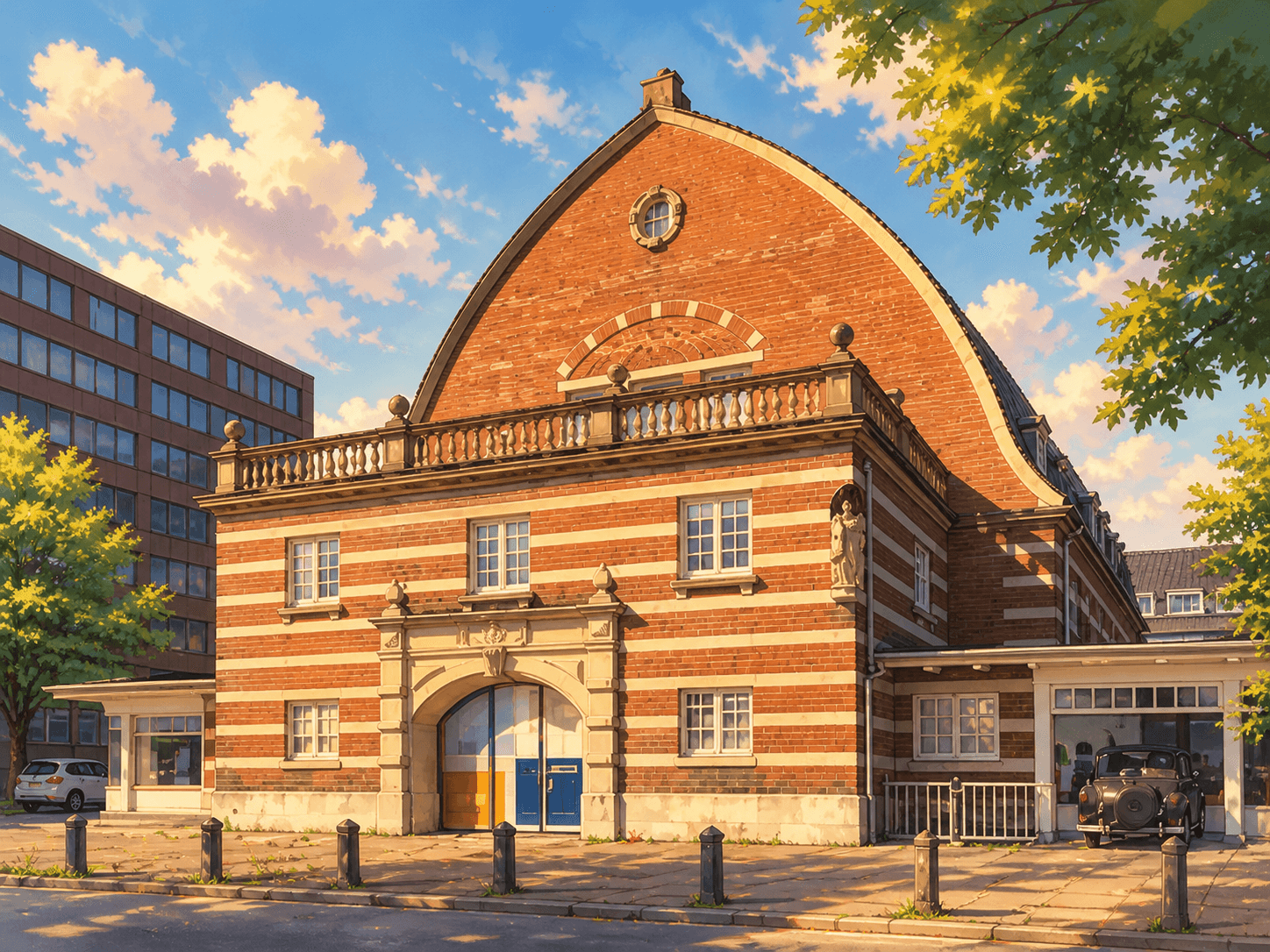
In February 2026, Kiel saw numerous developments in the area of governance and administration, ranging from personnel changes and budget decisions to reforms in the retail concept and climate adaptation. An overview of the key topics, decisions and backgrounds.
Governance and Administration in Kiel: Structural Developments, Committees, and Decision-Making Processes in February 2026
In the capital city of Schleswig-Holstein, the field of Governance & Administration is not only the driving force behind political decisions but also the central contact point for citizens, businesses, and municipal actors. In February 2026, various developments in this area came to the forefront, offering insights into the structure of the municipal administration, its decision-making processes, and future challenges.
Committee Structure and Personnel Changes
The local neighborhood councils in Kiel once again played a central role in local politics in February 2026. In several districts such as Wellsee, Steenbek-Projensdorf, and Wik, new members were sworn in, with the agendas unanimously approved. This consensus highlights the current stability and capacity for agreement within the local committees.
In addition, there were personnel changes in key offices. Michael Schmidt temporarily took over the leadership of the Port Authority until at least May, and Dirk Sicknick was elected to the local neighborhood council of Hassee/Vieburg. These changes demonstrate how dynamic and flexible the administration is in responding to staffing needs, especially in critical areas such as port economy and urban planning.
Budget Planning and Financial Decisions
Another central topic was the 2026 budget planning. The business plan of Horizon Kiel gGmbH was discussed, and investment loans were limited to 120 million euros. Furthermore, the city council approved the purchase of properties by the municipal company Beteiligungen. This underlines the city’s strategic approach to controlling investments in municipal facilities and enterprises.
The guarantee coverage for Seehafen Kiel GmbH & Co. KG, amounting to up to 3.484 million euros, also illustrates how closely the city is connected to economic actors. These decisions reflect not only financial but also institutional commitments.
Urban Development and Governance Instruments
Another highlight was the introduction of the Kieler Baulandmodell (Kiel Land Use Model), which applies to construction projects exceeding 2,000 m² of floor space. The goal is to stabilize the housing market and ensure social mixing by incorporating urban development features such as kindergartens or green spaces into the planning process. This regulation is part of a broader urban governance approach that focuses on long-term planning security and social responsibility.
At the same time, the quota regulation for subsidized housing was discussed. If rejected twice by the state of Schleswig-Holstein, the city's demand for 30% subsidized housing would lapse. This debate reveals the dependence of local housing policy on state-level decisions and the need to consider alternative financing models such as municipal bonds or public-private partnerships (PPPs).
Climate and Sustainability
In the field of climate and governance, Kiel set another milestone with the adoption of the Kiel Climate Adaptation Framework Concept (KLANK). The goal is to make the city more resilient to climate change by addressing action areas such as flood protection, biodiversity, and infrastructure. In addition, it was decided not to pursue the Zero Waste Certification again, due to cost considerations. Nevertheless, sustainability remains a strategic priority in the city’s governance.
Citizen Participation and Transparency
The city of Kiel continues to focus on citizen participation. In several meetings, residents' inquiries on topics such as snow removal obligations, the lack of seating areas, and tree felling were addressed. Furthermore, measures were planned in the local neighborhood councils to participate in the "Unser sauberes Schleswig-Holstein" (Our Clean Schleswig-Holstein) initiative, highlighting the link between local politics and civic engagement.
The appointment of sign language interpreters in meetings and the inclusion of the Youth Council in the youth welfare committee also show how Kiel is promoting inclusion and youth participation in governance.
Outlook
February 2026 in Kiel has shown how complex and dynamic the field of governance and administration is. From budget planning through committee structure to climate protection and citizen participation – the city is using a broad range of instruments to achieve its goals. At the same time, it remains sensitive to the challenges arising from financial, legal, and social conditions.
In the future, it will be especially important to maintain the balance between municipal planning and civic engagement. The introduction of the Kieler Baulandmodell, the climate adaptation strategy, and the stronger involvement of youth in the committee structure are guiding steps that show how governance in Kiel is being shaped for the future.
NeoSearch analyses public council documents, committee minutes and municipal announcements. Source references appear automatically once verified meeting data is available.
What does this mean for businesses?
Town halls, fire stations, depots and administrative buildings create early construction and refurbishment opportunities. Following council agendas reveals projects before they go to tender.
Track similar decisions in your region
Set up monitoring for public buildings & administration in Schleswig-Holstein — prefilled from this article.
Set up monitoring →More signals from Kiel
Budget Decisions in Kiel: Default Guarantees, Property Acquisition, and Security Concepts
In April 2026, the city of Kiel made a wide range of decisions in the financial and budgetary sector that will have far-reaching implications for urban development and financial stability. From default guarantees for municipal companies to the acquisition of a property for a Marine Visualization Center – the focus was on long-term planning and ensuring financial flexibility.
Read more → Governance in Kiel: Structural Changes and Challenges in April 2026
In April 2026, significant governance decisions took center stage in Kiel—from the inauguration of the new Mayor to the restructuring of committees and key topics such as digitalization and financial policy. An overview.
Read more → Youth Participation in Kiel: How Young Voices Gain Influence
In April 2026, Kiel focused on numerous topics concerning youth participation – from leisure activities to safety in city districts. An overview of the most important decisions and debates.
Read more →