Governance in Kiel: Structures, Decisions, and Reforms in January 2026
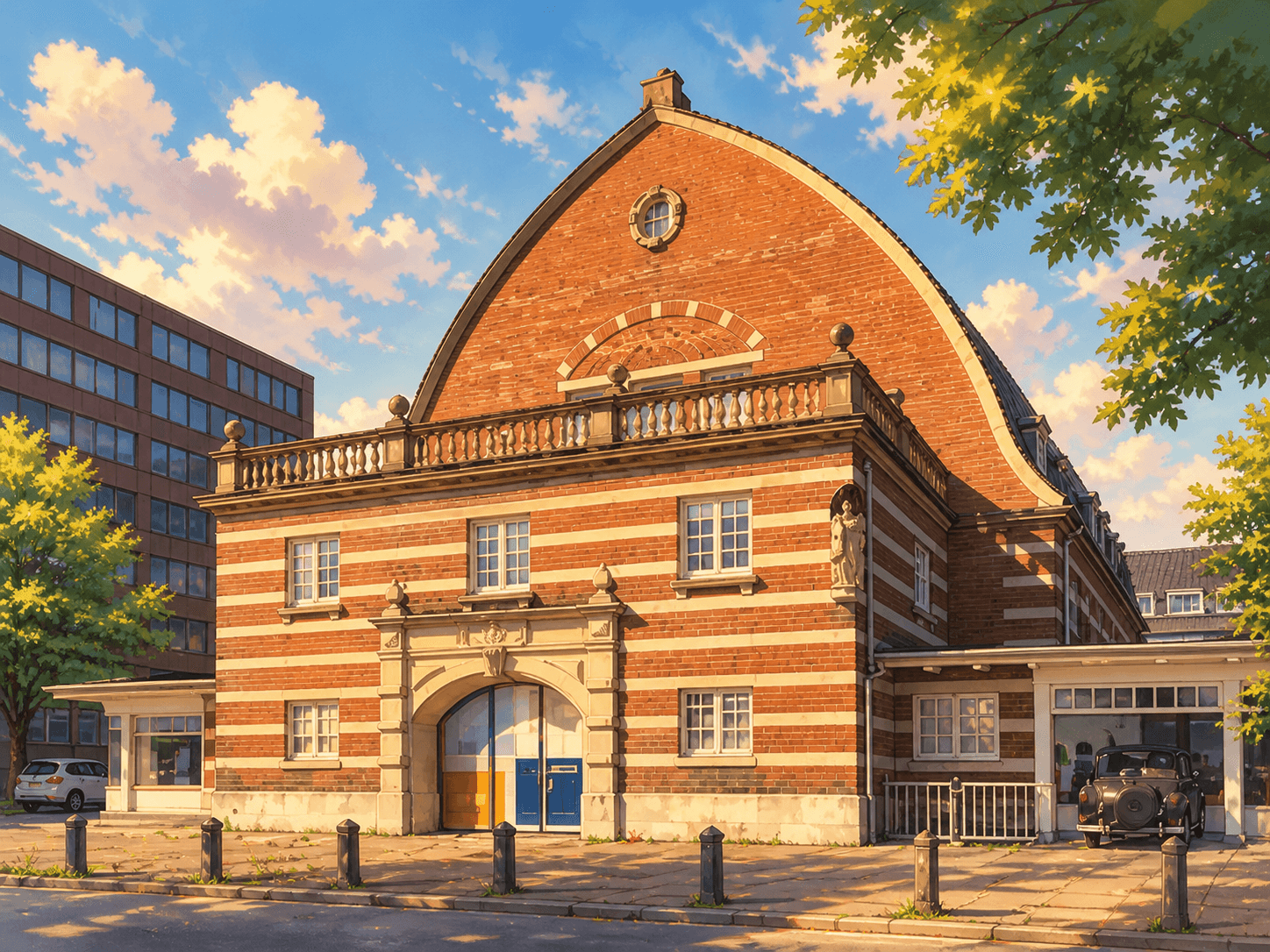
In 2026, Kiel is addressing fundamental topics of governance and administration. From structural reforms to financial decisions – here is an overview of the most important developments in January 2026.
Governance in Kiel: Structures, Decisions, and Reforms in January 2026
In January 2026, Kiel was the focus of numerous decisions and developments in the field of governance and administration. The city is pursuing transparency, efficiency, and citizen-oriented action through reforms, committee structures, and budgetary decisions. The following analysis outlines the most important developments of the past weeks.
Structural Reforms and Committee Organization
The committee structure in Kiel remained stable in January, although some personnel and organizational changes were made. The local advisory boards Hassee/Vieburg, Neumühlen-Dietrichsdorf/Oppendorf, and the Junge Rat Kiel – as a platform for youth participation – have restructured with new chairpersons and managing directors.
Notably, young people are increasingly being integrated into political decision-making. The Junge Rat, led by Meltem Söbütay and Madeleine Brandt, plans to implement a strengthened communication strategy in 2026, which will also include digital tools such as tablets and key distribution.
In addition, Patrick Wüst was elected to the Cultural Advisory Board, showing that Kiel values diversity and expertise in the cultural sector as well. The reform of the Cultural Fund, with more transparent and less bureaucratic funding procedures, is another step toward efficient governance.
Finances and Budget Planning
Kiel's financial situation remained stable in January 2026. The 2024 annual accounts showed a surplus of 320,900 € and secure liquidity. The 2025 budget was unanimously approved, with investments in education, culture, and infrastructure being prioritized.
A central issue was the extension of the cultural funding period until 2027. The funds for the new Cultural Fund increased by 2.5%, and future funding will be distributed semi-annually. The city utility company Kiel AG also recorded a surplus of 98.7 million €, with a proposed dividend of 50.1 million €.
In the area of public procurement, a motion for the examination of social criteria was unanimously passed, with the CDU and DIE LINKE/ Die PARTEI abstaining. This shows that Kiel is also addressing social responsibility within its administration – at least in the discussion.
Cultural Policy and Youth Participation
In the cultural field, the city of Kiel was particularly active in 2026. The Elmscher Musikfestival was included in the 2026 cultural funding, and a motion from the SPD city council faction was submitted for the development of a street art concept for the city center.
Youth participation also gained more attention. The Junge Rat plans new meetings in 2026 and is focusing on digital communication. The City Gallery Kiel continues to closely cooperate with educational institutions and already recorded 158 art education initiatives in 2024.
Another cultural focus was the naming of a section at the pier. The CDU proposed naming a section after Wilfried Erdmann. Although the administration has not yet developed concrete suggestions, this shows that Kiel remains active in commemorative culture as well.
Transparent Administration and Legal Foundations
The administration in Kiel is based on transparency and legal compliance. The audits of the annual accounts and activity reports of Kiel AG and RBZ Wirtschaft were carried out in accordance with IDW standards and showed no objections.
In the main committee, a motion for a review of winter services was also passed unanimously. The mayor is required to present a transparent account of the processes – a response to critical voices from the population.
The work of the local advisory boards is based on the municipal code of Schleswig-Holstein, showing that Kiel also relies on legal security at the municipal level.
Outlook: Governance as a Central Field of Action
The developments in January 2026 show that Kiel is focusing more on transparency, social responsibility, and youth participation in governance. The reforms in the cultural field, the stabilization of finances, and the increased evaluation of public services such as winter services are steps in this direction.
In the future, it will be crucial to establish the new structures sustainably and ensure that they also function in practice. The inclusion of youth and the strengthening of the city's cultural identity are not only politically, but also socially relevant.
Kiel is moving along a path that understands governance not only as an administrative task, but as part of the city's social and cultural identity.
NeoSearch analyses public council documents, committee minutes and municipal announcements. Source references appear automatically once verified meeting data is available.
What does this mean for businesses?
Town halls, fire stations, depots and administrative buildings create early construction and refurbishment opportunities. Following council agendas reveals projects before they go to tender.
Track similar decisions in your region
Set up monitoring for public buildings & administration in Schleswig-Holstein — prefilled from this article.
Set up monitoring →More signals from Kiel
Budget Decisions in Kiel: Default Guarantees, Property Acquisition, and Security Concepts
In April 2026, the city of Kiel made a wide range of decisions in the financial and budgetary sector that will have far-reaching implications for urban development and financial stability. From default guarantees for municipal companies to the acquisition of a property for a Marine Visualization Center – the focus was on long-term planning and ensuring financial flexibility.
Read more → Governance in Kiel: Structural Changes and Challenges in April 2026
In April 2026, significant governance decisions took center stage in Kiel—from the inauguration of the new Mayor to the restructuring of committees and key topics such as digitalization and financial policy. An overview.
Read more → Youth Participation in Kiel: How Young Voices Gain Influence
In April 2026, Kiel focused on numerous topics concerning youth participation – from leisure activities to safety in city districts. An overview of the most important decisions and debates.
Read more →