Culture and Community in Flensburg: Strategies, Projects, and a Citizens' Wishlist
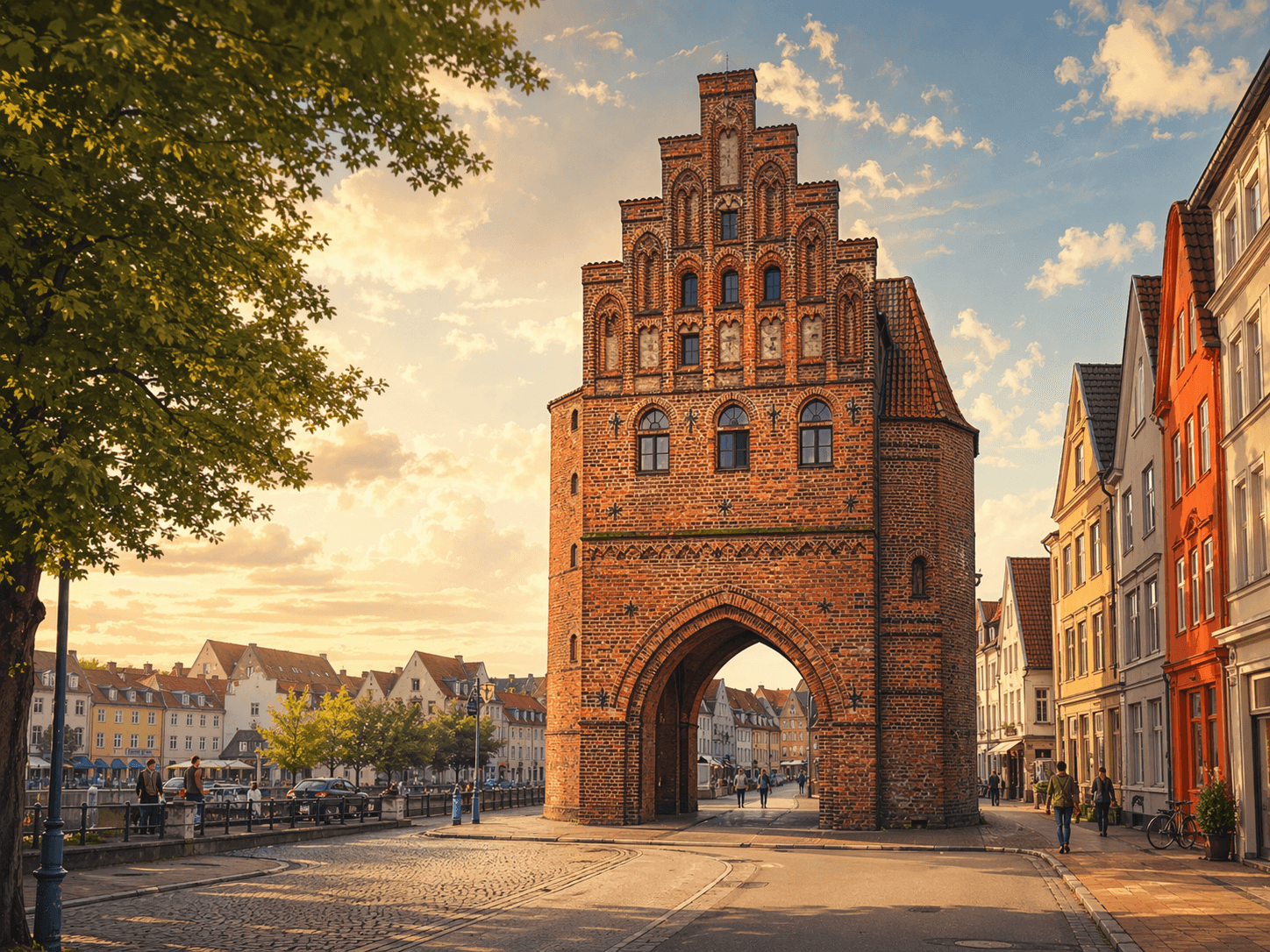
In the February 2026 session, Flensburg's Cultural Committee made numerous decisions shaping the future of the city's cultural and non-profit landscape. From the city library to museum development and the support of young artists—here’s an in-depth look at Flensburg's current cultural policy.
Culture as a Link in Flensburg
Culture is more than entertainment—it is a builder of identity, a social space, and a bridge between generations. In Flensburg, a city with strong German-Danish roots and a vibrant cultural landscape, the Cultural Committee plays a central role. The February 2026 session demonstrated that the city is not just focused on preservation but is actively shaping the future of its cultural infrastructure. The focus was on the city library, museum development, the support of young artists, and the expansion of the cultural strategy.
City Library: Important, but in Need of Further Development
According to a comprehensive user study ("Sentobib"), the Flensburg City Library has established itself as a "third place"—a place for learning, reading, and meeting. With a Net Promoter Score of 68, it is rated above average. However, citizens' expectations are rising: more learning spaces, longer opening hours, barrier-free access, and a stronger focus on diversity and inclusivity.
A particularly noticeable trend is the demand for more literature on queer and gender-related topics, as well as international media. The digital infrastructure is also being further developed: the online lending service should be strengthened with better search functions and streaming services. In addition, there is a discussion about setting up a "Library of Things" that lends tools, household items, and more.
Museum Development: Tradition Meets Innovation
The Flensburg Museum of Natural Sciences is one of the key priorities of the city's cultural policy. With around 23,000 visitors and 350 events in 2025, it is a lively meeting place. The number of objects in the collections (150,000) and the geologically and biologically oriented exhibitions make the museum a regional center of knowledge. In 2026, Flensburg will even host the annual conference of the Gesellschaft für Geschiebekunde (Society for Glacial Geology)—another signal of the institution's scientific relevance.
Another project is the Ice Age House in Christiansenpark, which offers free admission and is supported by volunteers. It is an example of how Flensburg combines museum work with social and ecological goals.
Cultural Strategy 2025–2030: Future Viability through Cooperation
The city has begun to develop a cultural development process (KEP) that will shape Flensburg's cultural orientation until 2030. Central elements include a new funding procedure for cultural institutions, the establishment of an online event calendar, and an idea competition to address the region's colonial past.
A special project is the development of a cultural and meeting house in the Eckener House. Here, cultural participation, education, and encounters will be at the center. In addition, it is planned to create an interface between the education and culture sectors to strengthen the cultural participation of children and youth.
Supporting Young Talent: The Nikolaus-Reiser Foundation
The Nikolaus-Reiser Foundation plays an important role in Flensburg's cultural policy by supporting particularly talented young singers from the region. In 2024, eight scholarships worth over 10,000 euros were awarded. The foundation is mainly financed through interest income and donations. However, it depends on rising interest rates or external funding to continue its work in the long term.
Conclusion: Culture as a Central Area of Action
The February 2026 session shows: In Flensburg, culture is not only understood as a category but as a living part of urban development. The discussions about the library, the museum, and the cultural strategy reflect a clear trend: culture must be accessible to all, must be inclusive, and must invest in the future. The city has set the course—now it is time to implement the projects and put the citizens' wishes into practice.
NeoSearch analyses public council documents, committee minutes and municipal announcements. Source references appear automatically once verified meeting data is available.
What does this mean for businesses?
Municipal council decisions are early indicators: following the council agenda surfaces projects and tenders months before the official award — before they ever reach the procurement portals.
Track similar decisions in your region
Set up monitoring for Culture and Community in Schleswig-Holstein — prefilled from this article.
Set up monitoring →More signals from Flensburg
Flensburg's Open After-School Program: Structural Adjustments and Legal Right of Access from 2026
In April 2026, Flensburg's Education Committee approved significant changes to the framework concept of the Open After-School Program at primary schools and special education centers. The adjustments aim to implement the legal right of access to after-school care, simplify the module structure, and adapt parental contributions. We analyze the background, implications, and future perspectives.
Read more → Social Justice in Flensburg: A Month in Focus on Social and Housing Policy
April 2026 in Flensburg was marked by decisive steps in social and housing policy. From the fee increase in homeless support to the strengthening of queer counseling services – the city is focusing on inclusive structures and long-term perspectives.
Read more → Kindergartens in Flensburg: Support, Catering, and Inclusion in Focus
In April 2026, important decisions and discussions regarding kindergartens (KiTas) were at the center of attention in Flensburg. The Youth Welfare Committee decided on adjustments to the support for KiTas and discussed the future of catering, inclusion, and the impact on socially disadvantaged families. In this blog post, we examine the background, decisions, and their implications for the city of Flensburg.
Read more →