Governance in Freiberg: Challenges, Decisions, and Perspectives in February 2026
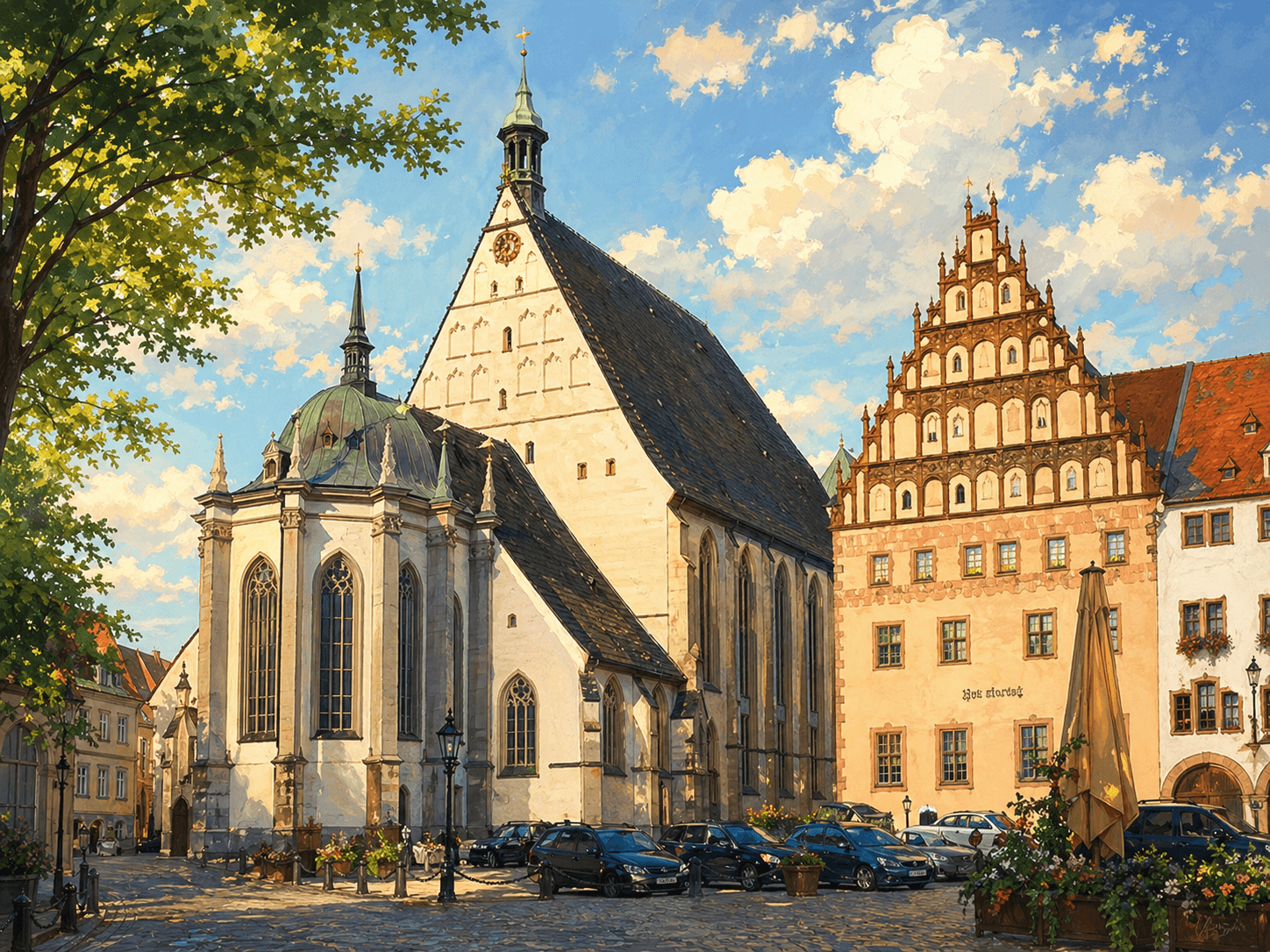
In February 2026, governance and administration in Freiberg were shaped by numerous decisions, debates, and processes. The vacant position of the Mayor, the role of the Deputy Mayor as a substitute, and the handling of political and budgetary matters dominated the City Council meetings. This blog post analyzes the key developments, backgrounds, and implications.
Governance in Freiberg: Between Substitute Leadership and Political Process
The city of Freiberg faced a particular challenge in February 2026: the position of the Mayor remained vacant. Deputy Mayor Martin Seltmann took on the role of acting Mayor, a situation with both legal and symbolic implications. The administration and politics had to cope with the absence of a key figure – a situation that brought both stability and uncertainty.
The Role of the Deputy Mayor as Substitute
Deputy Mayor Seltmann not only served as a substitute for the Mayor but also acted as a political and administrative anchor for the city. His approval of documents and decisions was crucial, particularly in the signing of administrative acts. While this provided a certain level of continuity, it also raised the question of whether the prolonged substitute leadership contributed to the stability of the administration or could lead to misunderstandings in the long term.
In addition, there were discussions about the role of the City Council in this situation. The meetings proceeded formally correctly, with timely notifications and the provision of consultation documents. Nevertheless, the question remained whether the lack of a clear leadership figure influenced the political dynamics – especially in decisions of high public interest.
Governance Decisions in the City Council
At the 16th meeting of the Freiberg City Council on 5 February 2026, several fundamental governance issues were addressed. Four city council members were excused, making the decision-making threshold of 29 voting members extremely narrow. This illustrates how dependent the administration is on the presence of all political forces to make decisions.
Another point was the remembrance of the late city council member Wolfgang Heinemann. This moment highlighted the importance of personal connections within city council work and brought a more human dimension to politics in Freiberg.
Governance in the Local Council
In the local councils of Kleinwaltersdorf and Zug, governance issues such as meeting procedures, decision-making capacity, and transparency were also discussed. The publication of consultation documents six days before the meeting on www.freiberg.de/citycouncil demonstrated an effort to ensure transparency and citizen participation. The ratification of the minutes in Kleinwaltersdorf further emphasized the importance of formal procedures in local politics.
Challenges and Perspectives
The governance structure in Freiberg faces the challenge of becoming more stable in the long term. The vacant position of the Mayor is a central issue that must be resolved in the coming weeks and months. At the same time, it becomes clear that the administration is capable of making decisions even under substitute leadership – although with certain limitations in strategic planning.
The discussions in the City Council and local councils show that governance in Freiberg is heavily based on formal procedures. While this is necessary to ensure legal certainty, it can also lead to delays when political decisions need to be made quickly.
Conclusion: Stability through Structure, Flexibility through Leadership
Governance in Freiberg is characterized by a clear structure that operates within the framework of the constitution and municipal administration. At the same time, it becomes evident that the lack of a clear leadership figure in the form of a Mayor presents the city with challenges. The role of the Deputy Mayor as a substitute is not only a short-term solution but also a test of the resilience of the administration.
In the coming months, it will be crucial whether the city is able to close this governance gap and at the same time design political processes in a transparent and efficient manner. Only then can Freiberg remain a model for municipal leadership and administration in Saxony.
NeoSearch analyses public council documents, committee minutes and municipal announcements. Source references appear automatically once verified meeting data is available.
What does this mean for businesses?
Town halls, fire stations, depots and administrative buildings create early construction and refurbishment opportunities. Following council agendas reveals projects before they go to tender.
Track similar decisions in your region
Set up monitoring for public buildings & administration in Sachsen — prefilled from this article.
Set up monitoring →More signals from Freiberg
Freiberg invests in mobility: The purchase of a mobile Pumptrack
In April 2026, Freiberg decided to acquire a mobile Pumptrack for 70,000 EUR. This investment not only reflects a response to the growing demand for sports-related leisure activities, but also careful financial planning. This blog post examines the background, funding, and long-term effects of this decision.
Read more → Freiberg's Urban Development 2026: Construction Projects, Planning and Climate-Friendly Measures in Focus
In April 2026, Freiberg focused on key measures in urban development and construction. From the creation of a municipal heat plan to the reorganization of the industrial area "Schwarze Kiefern" – the city is focusing on sustainable structures and responsible financial planning.
Read more → Freiberg's Administrative Processes: Transparency, Citizen Participation, and Digital Innovations in April 2026
In April 2026, the city of Freiberg set benchmarks in governance and administration. With test sessions for online voting, open meetings, and a clear transparency policy, the municipality demonstrated how modern administration works. An overview.
Read more →