Urban Development in Dresden: Highlights March 2026
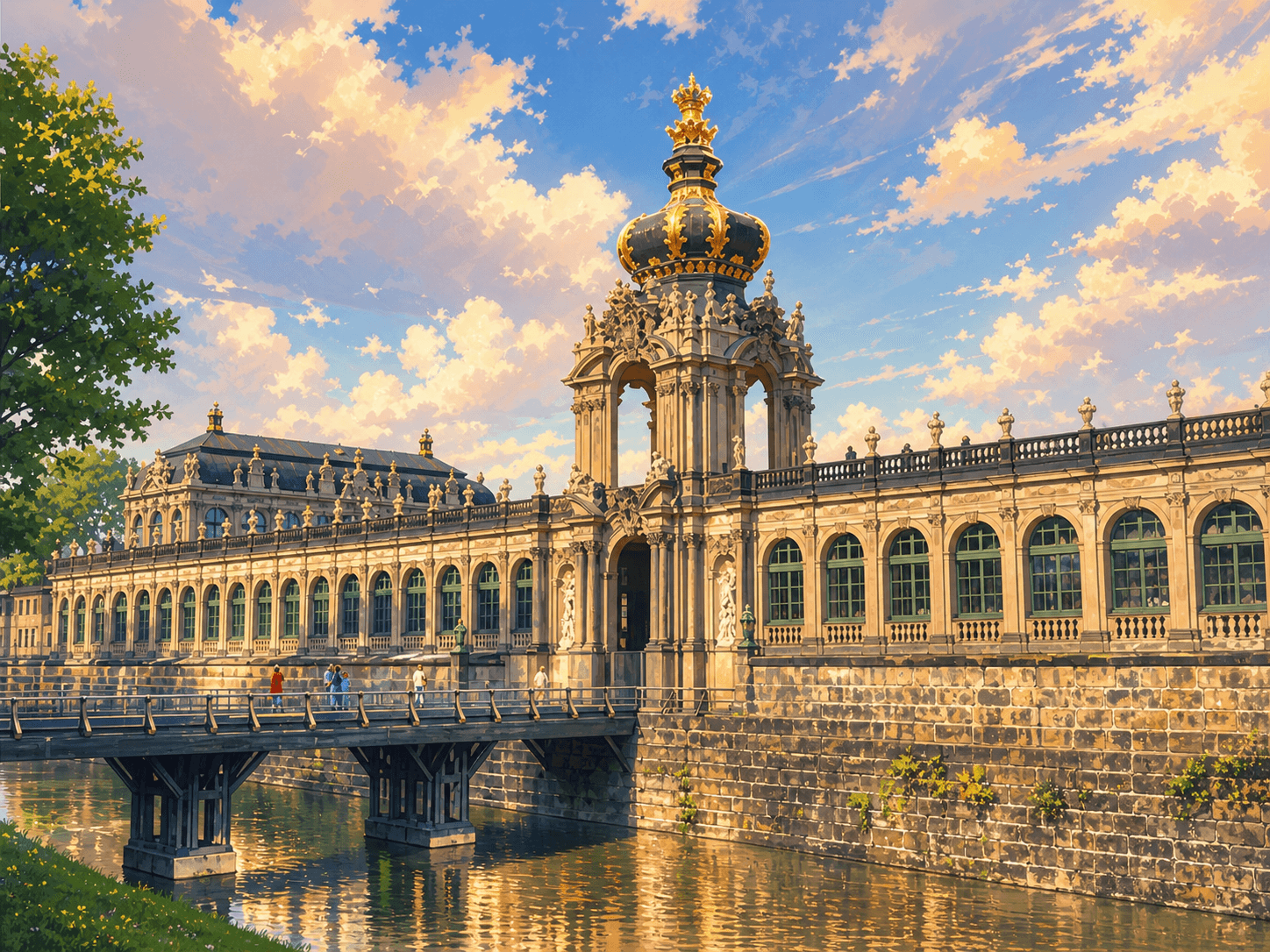
In March 2026, Dresden held key meetings focused on urban development and construction. From the pumped-storage power plant to changes in the land use plan and library projects – the city is moving toward a future-ready urban infrastructure.
Urban Development in Focus: March 2026 in Dresden
In March 2026, Dresden placed a clear emphasis on the future of urban development. Numerous meetings of the Committee for Urban Development, Construction, Transport, and Property as well as the Committee for Small Garden Plots yielded important decisions and debates. The topics ranged from energy policy-relevant projects such as the pumped-storage power plant to smaller, yet symbolically significant measures like the renovation of community centers. These initiatives demonstrate how Dresden is responding to challenges such as climate change, housing shortages, and urban sustainability.
The Debate on the Pumped-Storage Power Plant
On March 9, 2026, a special session was held jointly by the Committee for Urban Development, Construction, Transport, and Property and the Committee for Environment and Climate. The central discussion point was the future of Dresden’s pumped-storage power plant. Having functioned as an energy storage facility for decades, the plant now faces a crucial decision: Should it continue to operate, be modernized, or be repurposed for another municipal use?
Stephan Kühn, Deputy Mayor for Urban Development, Construction, Transport, and Property, presented potential scenarios. Critical voices within the committee questioned the ecological compatibility of further use and asked whether the area could not be better utilized for local urban services. The debate highlighted the tension between traditional infrastructure and new, sustainable urban development models.
Land Use Plan Changes in Blasewitz
On March 25, 2026, the Small Garden Plot Advisory Committee met to discuss a change to the land use plan in Blasewitz. The change concerns the Basedowstraße area and aims to improve the planning of replacement small garden plots. The committee unanimously approved the draft proposal and the justification, including the environmental report.
This decision is part of a broader plan to strengthen sustainability and social integration in urban spaces. The discussions within the committee demonstrated how delicate the balance between urban growth and the preservation of green spaces can be – a challenge currently being debated in many European cities.
Weixdorf Community Center: From Library to Community Hub
Another significant project is the redevelopment of the Weixdorf Community Center. In March 2026, the Weixdorf Local Council approved the transformation of the building into a community-oriented center with an integrated library, association rooms, and anchor tenants by 2029. A total of 3 million euros has been allocated for construction and planning.
The alternative would have been to transfer the plots in Lausa to the STESAD GmbH to carry out the construction there. However, the local council clearly prioritized a municipal solution. This step underlines the growing importance of citizen-friendly, multifunctional spaces in urban development – a trend that is also gaining momentum in cities like Berlin or Munich.
Changes to Zoning Plans and Transport Planning
In March 2026, the Committee for Urban Development, Construction, Transport, and Property also took decisive steps in spatial planning. For example, a change to Zoning Plan No. 3068 in Klotzsche was approved. The adjustment of the applicable area and the approval of the draft show how Dresden is flexibly responding to changing urban planning requirements.
In addition, a fundamental decision on the „Bauturbo“ (building accelerator) law was adopted to accelerate the housing boom. At the same time, a new cycling traffic concept was considered to improve traffic safety. These measures show how Dresden is trying to respond to pressing urban challenges with modern planning instruments.
Outlook: Urban Development as a Process of Transformation
The debates and decisions in March 2026 show that Dresden is in a phase of intensive urban transformation. Whether in energy infrastructure, green spaces, or housing planning – the city is acting with a clear commitment to sustainability. At the same time, it remains sensitive to the needs of its citizens and the ecological and social consequences of its decisions.
The challenge for the coming months will be to make these processes transparent and to actively involve citizens. Only in this way can Dresden ensure that urban development is not only technically sound, but also socially acceptable.
NeoSearch analyses public council documents, committee minutes and municipal announcements. Source references appear automatically once verified meeting data is available.
What does this mean for businesses?
Urban development, zoning plans and commercial settlements create early construction and supply opportunities. Following council decisions reveals projects before they go to tender.
Track similar decisions in your region
Set up monitoring for economic development in Sachsen — prefilled from this article.
Set up monitoring →More signals from Dresden
Environment and Climate in Dresden April 2026: Focus of the 20th Committee Meeting
In April 2026, environmental and climate policy will be in the spotlight in Dresden. The Committee for Environment and Climate will address key topics such as the municipal heat plan, waste management, and wind energy use. An overview of the most important decisions and debates.
Read more → Social Affairs and Housing in Dresden: Political Priorities in April 2026
In April 2026, the Committee for Social Affairs and Housing in Dresden focused on key topics such as budget adjustments, barrier-free mobility, and emergency housing concepts. An overview of the most important decisions and developments.
Read more → Culture and Community in Dresden: Decisions and Developments in April 2026
In April 2026, Dresden saw numerous developments in the area of culture and community. From new funding models and fee adjustments to structural reports – the Committee for Culture and Tourism set important impulses.
Read more →