Culture and Community in Dresden: Decisions and Developments in April 2026
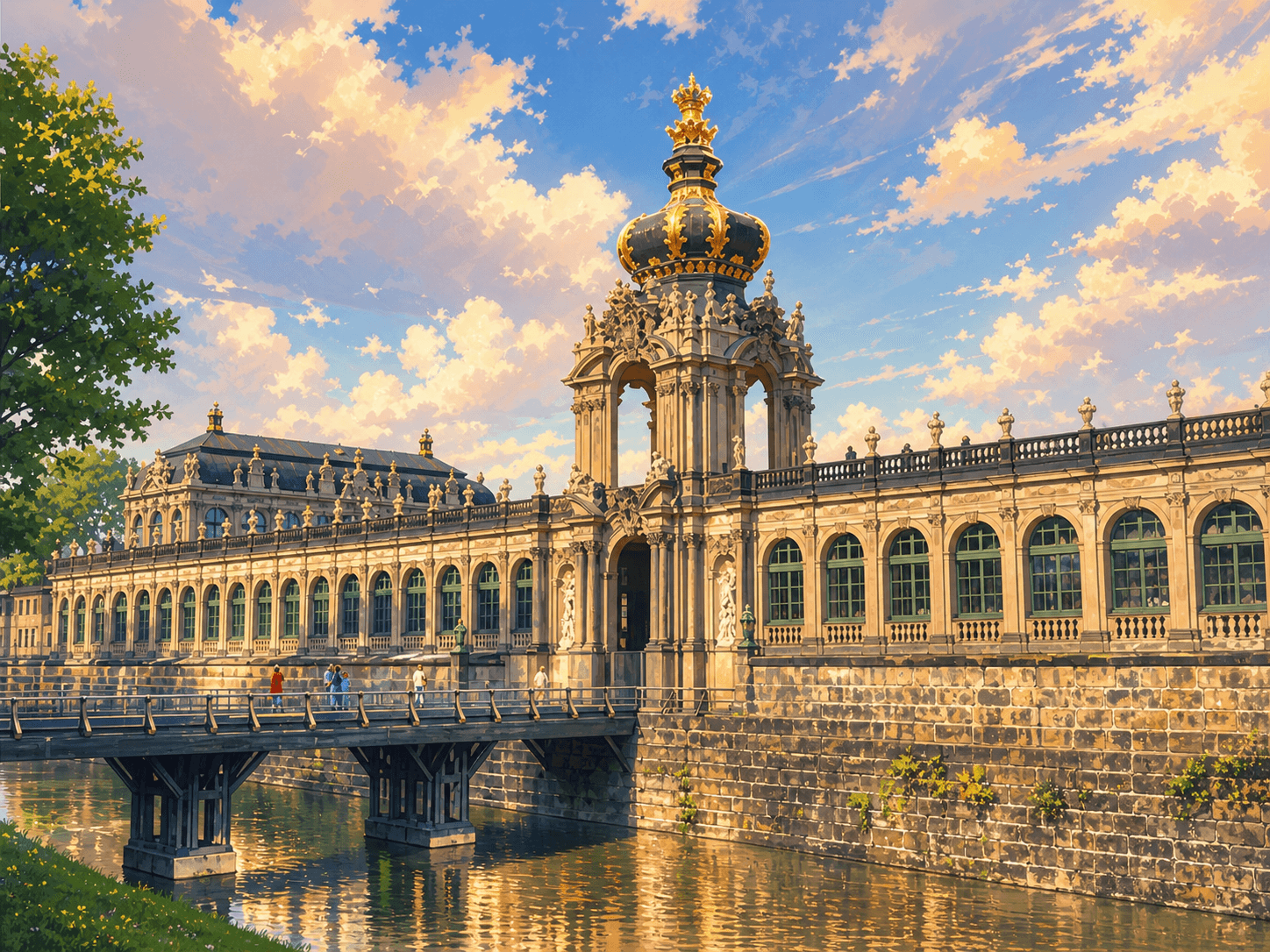
In April 2026, Dresden saw numerous developments in the area of culture and community. From new funding models and fee adjustments to structural reports – the Committee for Culture and Tourism set important impulses.
Cultural Policy Decisions and Structural Changes in Dresden – April 2026
Dresden has established itself as a cultural metropolis in Saxony over the past few years. In April 2026, the city set new accents through a variety of decisions and discussions in the Committee for Culture and Tourism – both financially and structurally. The topics range from the acceptance of international funding to reform processes in the city’s theaters. An overview of the most important developments.
International Cooperation: Funding from The Packard Humanities Institute
One of the central topics of the 21st session of the Committee for Culture and Tourism was the acceptance of funding from The Packard Humanities Institute. These funds are allocated to non-profit purposes, particularly to projects promoting cultural education and the development of young artists. The decision is part of a strategic orientation to strengthen international partnerships and to position Dresden as an open cultural city.
However, accepting such funding is not without controversy. Critics question whether reliance on private donors might affect the political independence of cultural policy in the long term. At the same time, it is emphasized that these funds relieve the budget and enable new cultural impulses.
Funding and Fees: Budget Ordinance and City Archives
Another focus was the adjustment of the 2026 budget ordinance in accordance with the requirements of the Saxon Ministry of the Interior. These adjustments are necessary to ensure the financial stability of the city’s cultural institutions. Particularly affected is the municipal enterprise Heinrich-Schütz Conservatory, whose funding will be redistributed in the coming years.
In addition, the Ordinance on the Charging of Usage Fees for the Dresden City Archives (Archive Fee Ordinance) was discussed. These fees are intended to cover the costs of archive services while ensuring access to historical documents. Critics, however, fear that higher fees could make access more difficult for private individuals or small research groups. The city emphasizes that access to cultural and knowledge resources must remain guaranteed for all population groups.
Structural Processes: Municipal Theaters and Philharmonic
Among the most strategic topics is the report on structural processes of the municipal enterprise Städtische Bühnen and the Dresden Philharmonic and Music Festival. Discussions on personnel structure, funding, and artistic orientation reflect the challenges of the cultural sector. In particular, the Dresden Philharmonic, which must reposition itself due to digitalization and declining audience numbers, is at the focus.
The Deputy Mayor for Culture, Science, and Tourism, Annekatrin Klepsch, emphasizes in her statements that these reform processes must be designed not only economically but also artistically meaningful. The goal is to strengthen Dresden as an internationally recognized cultural city without losing sight of its social and cultural diversity.
Outlook: How is Culture Shaped in Dresden?
The decisions of April 2026 show that Dresden is looking to the future of its cultural policy with a clear strategy. At the same time, the balance between public and private funding as well as between artistic freedom and financial stability remains a challenge. The coming months will show whether these reforms and investments can set the desired impulses.
NeoSearch analyses public council documents, committee minutes and municipal announcements. Source references appear automatically once verified meeting data is available.
What does this mean for businesses?
Municipal council decisions are early indicators: following the council agenda surfaces projects and tenders months before the official award — before they ever reach the procurement portals.
Track similar decisions in your region
Set up monitoring for Culture and Community in Sachsen — prefilled from this article.
Set up monitoring →More signals from Dresden
Environment and Climate in Dresden April 2026: Focus of the 20th Committee Meeting
In April 2026, environmental and climate policy will be in the spotlight in Dresden. The Committee for Environment and Climate will address key topics such as the municipal heat plan, waste management, and wind energy use. An overview of the most important decisions and debates.
Read more → Social Affairs and Housing in Dresden: Political Priorities in April 2026
In April 2026, the Committee for Social Affairs and Housing in Dresden focused on key topics such as budget adjustments, barrier-free mobility, and emergency housing concepts. An overview of the most important decisions and developments.
Read more → Street Cleaning, Heat Planning, and Urban Development in Dresden – Focus April 2026
In April 2026, Dresden focused on decisions regarding street cleaning, municipal heat planning, and urban development. The District Advisory Board Cotta and the Committee for Urban Development discussed far-reaching topics shaping the city's future.
Read more →