Mobility in Dresden: Road Safety, Traffic Calming, and the Transition to Sustainable Mobility in Focus
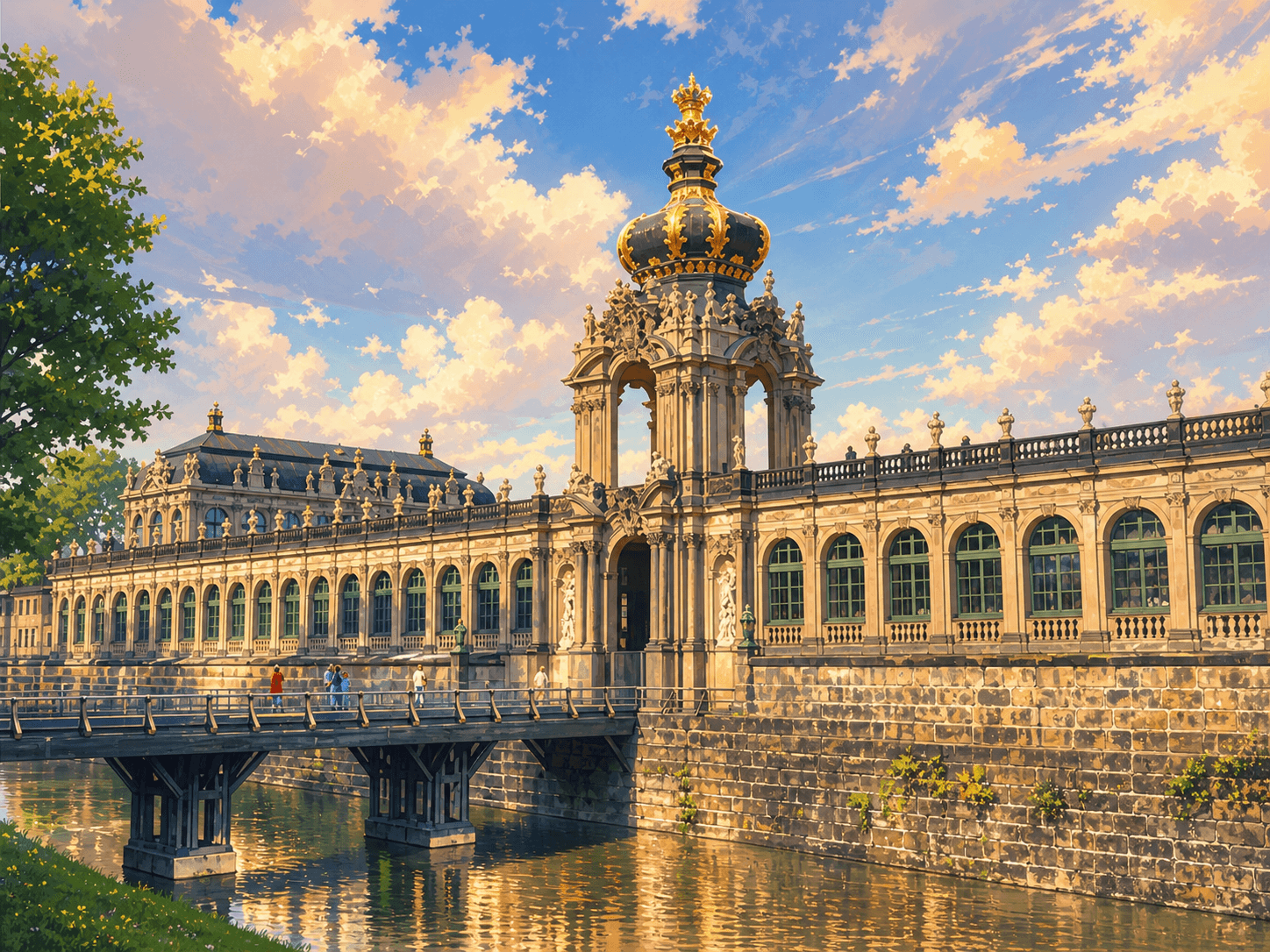
In January 2026, Dresden made several key decisions on mobility, ranging from traffic calming measures to investments in cycling infrastructure. This blog analyzes the most important developments.
Mobility in Dresden: Traffic Calming and the Shift Toward Sustainable Mobility
In January 2026, the city of Dresden intensified its efforts to improve road safety and promote sustainable mobility. Particularly in the districts of Neustadt and other city areas, decisions were made that focus on the expansion of cycling infrastructure, the reduction of through-traffic, and the enhancement of safety in public spaces. These measures are part of the long-term strategy to make Dresden a climate-friendly and livable city.
Traffic Calming in Neustadt: Reducing Through-Traffic
One of the central decisions in January concerned the temporary closure of motorized through-traffic between Albertplatz and Alaunstraße. This measure was unanimously approved with 15 yes votes. The goal is to calm traffic in this area and to reclaim the space for pedestrians and short-distance mobility. In addition, a proposal for improving road safety at the intersection of Anton- and Leipzigerstraße was discussed, aiming to enhance visibility and make traffic signs more explicit.
These measures are part of a broader strategy by the city to reduce motorized traffic in urban centers and sensitive residential areas, while promoting alternative modes of transport.
Expansion of Cycling Infrastructure: Bike Racks and Waiting Shelters
Another important topic was the expansion of cycling infrastructure. Proposals for the installation of bike racks on Warthaer Straße and the installation of waiting shelters at bus stops were approved. The bike racks are intended to enable a safer dismount from bicycles, especially for children and elderly people, while the waiting shelters aim to increase the appeal of bus stops.
These investments show that Dresden is actively working to improve infrastructure for cyclists and is taking the needs of diverse population groups into account.
Changes in Public Transport: Criticism and Adjustments
In addition to infrastructure measures, there were also discussions about the adjustment of public local transport. The planned shortening of bus line 87 sparked controversy, as it serves as an important connection for many commuters and students. Such changes show that the city must sensitively respond to the needs of its citizens when reshaping the transport network.
Conclusion: Dresden on Track for a Mobility Transition
January 2026 marks another step in Dresden’s mobility transition. By expanding cycling infrastructure, reducing through-traffic, and improving safety in sensitive areas, the city is pursuing a sustainable and traffic-calmed future. At the same time, it becomes evident that the interests of users must be strongly considered when making changes to public transport.
The coming months will show how effective these measures are in practice and whether they contribute to a sustainable change in the mobility behavior of Dresden's residents.
NeoSearch analyses public council documents, committee minutes and municipal announcements. Source references appear automatically once verified meeting data is available.
What does this mean for businesses?
Municipal council decisions are early indicators: following the council agenda surfaces projects and tenders months before the official award — before they ever reach the procurement portals.
Track similar decisions in your region
Set up monitoring for Policy and Legal Matters in Sachsen — prefilled from this article.
Set up monitoring →More signals from Dresden
Environment and Climate in Dresden April 2026: Focus of the 20th Committee Meeting
In April 2026, environmental and climate policy will be in the spotlight in Dresden. The Committee for Environment and Climate will address key topics such as the municipal heat plan, waste management, and wind energy use. An overview of the most important decisions and debates.
Read more → Social Affairs and Housing in Dresden: Political Priorities in April 2026
In April 2026, the Committee for Social Affairs and Housing in Dresden focused on key topics such as budget adjustments, barrier-free mobility, and emergency housing concepts. An overview of the most important decisions and developments.
Read more → Culture and Community in Dresden: Decisions and Developments in April 2026
In April 2026, Dresden saw numerous developments in the area of culture and community. From new funding models and fee adjustments to structural reports – the Committee for Culture and Tourism set important impulses.
Read more →