Governance and Administration in Dresden – Highlights and Developments in April 2026
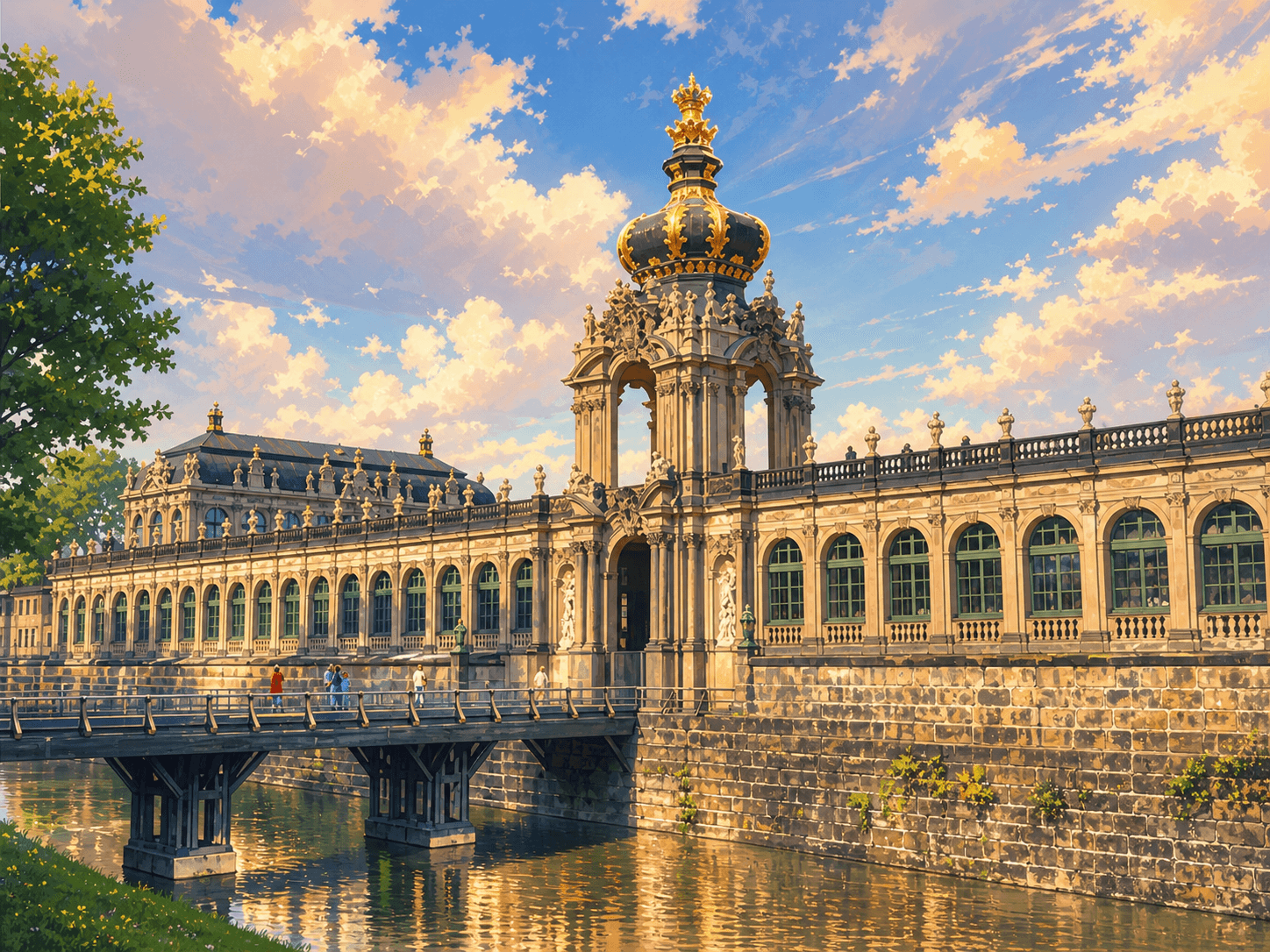
In April 2026, Dresden saw numerous decisions and procedures in the area of governance and administration come into focus. From citizen petitions to budget adjustments and committee appointments, the city council and its committees set the pace for an efficient and transparent urban life.
Governance and Administration in Dresden – Decisions in April 2026
The capital city of Dresden addressed a wide range of topics in the field of governance and administration in April 2026. In addition to the regular work of the committees, citizen participation, personnel planning, and budget adjustments were in the spotlight. This deep dive highlights the most important developments and decisions that could have a lasting impact on the cityscape and administrative structure.
Citizen Participation and Petition Procedures
A central topic was the handling of citizen initiatives and petitions. The city council rejected the appeal against the citizen initiative "Preserve Dresden's Public Transport" and forwarded it to the Saxon State Office. This underlines the importance of citizen participation in urban development.
The Committee for Petitions and Citizen Participation approved several petitions, including those dealing with sports facilities, bicycle infrastructure, and youth centers. Particularly revealing was the discussion around petition P0110/25, where "partial relief" was granted. Such decisions show the balance that needs to be found between municipal capacity for action and citizens' interests.
Committee Structure and Staff Planning
In April 2026, there were also several changes in the committee structure. Reappointments in the Committee for Culture and Tourism and successor appointments in local advisory boards such as Klotzsche and Blasewitz were decided. In addition, it was decided to separate the office of the Finance Mayor again – a step aimed at clearly separating personnel and functions and strengthening transparency in the administration.
Another focus was the development of a personnel assessment tool for the Youth Welfare Office. The goal is to make personnel planning future-proof and aligned with the city's needs. This measure is part of a long-term strategy to make the administration more efficient and flexible.
Budget and Financial Planning
The 2026 budget ordinance was also on the agenda. In addition to the amendment of the main budget, investment plans for the years 2026–2029 were discussed. A particular focus was on the climate check and cost-effectiveness calculations – topics that are gaining increasing relevance in times of climate change and scarce resources.
The renovation costs for the building at Theaterstraße 11–15 were also addressed, as well as the financing of the Margon Arena and the large-scale sporting event "City Biathlon." These investments show how Dresden is further developing its cultural and sports infrastructure and preparing for the future.
Municipal Projects and Initiatives
In April 2026, several municipal projects were also supported, including the "Summer Festival at ALB 2026" with a grant of 5,000 euros. In addition, cultural initiatives such as the "Long Night of Galleries and Museums" and the "Summer Concert Series hinhören 2026" were supported. These projects not only contribute to strengthening cultural life but also to the population's identification with their city.
Outlook and Areas for Action
The decisions of April 2026 show that Dresden remains active in governance and administration on multiple levels. Strengthening citizen participation, a clear committee structure, and investment planning are central elements of a modern, transparent, and citizen-oriented city administration.
Future challenges will include further stabilizing the budget planning, adapting personnel planning to the needs, and further institutionalizing citizen participation. Dresden is on the right track, but the balance between bureaucratic efficiency and democratic participation remains a central area of action.
Conclusion
April 2026 was marked by a wide range of decisions in the field of governance and administration. From petitions and budget adjustments to project funding – Dresden shows that it is able to face complex challenges while acting in a citizen-oriented manner. These developments are not only of central importance for the city administration, but also for the citizens.
NeoSearch analyses public council documents, committee minutes and municipal announcements. Source references appear automatically once verified meeting data is available.
What does this mean for businesses?
Town halls, fire stations, depots and administrative buildings create early construction and refurbishment opportunities. Following council agendas reveals projects before they go to tender.
Track similar decisions in your region
Set up monitoring for public buildings & administration in Sachsen — prefilled from this article.
Set up monitoring →More signals from Dresden
Environment and Climate in Dresden April 2026: Focus of the 20th Committee Meeting
In April 2026, environmental and climate policy will be in the spotlight in Dresden. The Committee for Environment and Climate will address key topics such as the municipal heat plan, waste management, and wind energy use. An overview of the most important decisions and debates.
Read more → Social Affairs and Housing in Dresden: Political Priorities in April 2026
In April 2026, the Committee for Social Affairs and Housing in Dresden focused on key topics such as budget adjustments, barrier-free mobility, and emergency housing concepts. An overview of the most important decisions and developments.
Read more → Culture and Community in Dresden: Decisions and Developments in April 2026
In April 2026, Dresden saw numerous developments in the area of culture and community. From new funding models and fee adjustments to structural reports – the Committee for Culture and Tourism set important impulses.
Read more →