Financial Policy in Dresden: Budgets, Grants, and Investments in February 2026
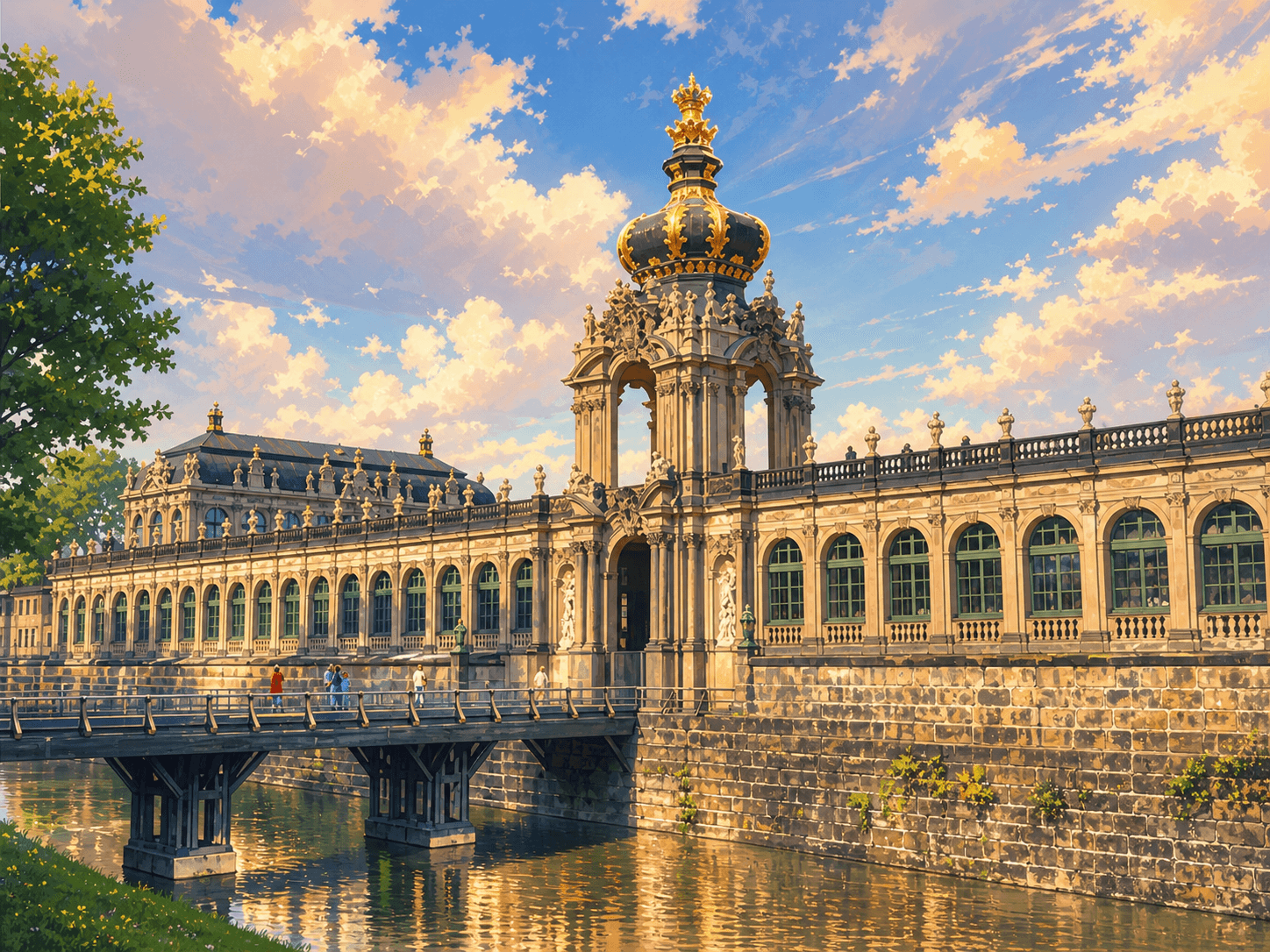
In February 2026, Dresden's financial policy was in the spotlight, with decisions on budget distribution, grants, and investments. The blog provides an insight into the city's strategic financial measures.
Budget Decisions and Their Impact on Dresden
A city's financial policy is crucial for implementing projects and ensuring public services. In February 2026, Dresden was the focus of several significant financial decisions that had both symbolic and economic implications.
Grants and Smaller Investments
An example of a symbolically important but financially small investment is the grant from the district council of Prohlis to the volunteer fire department of Lockwitz. A total of 3,000 euros will be used to purchase a display case for the fire department's historical flag. Although the amount is small, it highlights the importance of local identity and volunteerism. Such grants demonstrate how even modest financial resources can send a strong social message.
Major Projects and Funding Plans
In contrast, Dresden also considered significant investments. The construction of the 101st Secondary School "Johannes Gutenberg" on the Cockerwiese site is an example of a long-term investment in education and urban development. Additionally, funding plans for projects such as "DIE FINALS 2025" were presented, with 418,068 euros redistributed from the 2025 budget. Such large-scale projects require not only financial planning but also political decisions to achieve long-term effects.
Liquidity Management and Strategic Partnerships
Another focus of Dresden's financial policy was liquidity management. Temporary regulations for the liquidity pooling between the city of Dresden and Dresden Technical Works GmbH (Technische Werke Dresden GmbH) illustrate how cities manage financial fluctuations. In addition, an agreement was concluded with Vonovia SE, which includes a financial grant for charitable purposes within the framework of the Dresden 2030+ residential location development. Such partnerships are essential for achieving common goals such as social integration and urban development.
Financial Control Mechanisms and Supplementary Budgets
To ensure the city's financial capacity to act, a supplementary budget was drawn up. This is usually necessary when unexpected expenses or revenues arise. The 20th meeting of the Finance Committee on February 23, 2026, among other things, focused on reviewing such budget adjustments. The meeting emphasized the importance of transparent and controlled financial administration to ensure long-term stability.
Outlook: How Dresden Manages Its Budget
Dresden's financial policy in February 2026 shows how a city integrates both symbolic and economic aspects into its budget planning. The combination of smaller grants, major investments, and strategic partnerships underlines the multifaceted nature of urban financial planning. In the coming months, it will be particularly important to monitor the effects of these decisions on the city's infrastructure and the quality of life for its citizens.
NeoSearch analyses public council documents, committee minutes and municipal announcements. Source references appear automatically once verified meeting data is available.
What does this mean for businesses?
Municipal council decisions are early indicators: following the council agenda surfaces projects and tenders months before the official award — before they ever reach the procurement portals.
Track similar decisions in your region
Set up monitoring for Finance and Budget in Sachsen — prefilled from this article.
Set up monitoring →More signals from Dresden
Environment and Climate in Dresden April 2026: Focus of the 20th Committee Meeting
In April 2026, environmental and climate policy will be in the spotlight in Dresden. The Committee for Environment and Climate will address key topics such as the municipal heat plan, waste management, and wind energy use. An overview of the most important decisions and debates.
Read more → Social Affairs and Housing in Dresden: Political Priorities in April 2026
In April 2026, the Committee for Social Affairs and Housing in Dresden focused on key topics such as budget adjustments, barrier-free mobility, and emergency housing concepts. An overview of the most important decisions and developments.
Read more → Culture and Community in Dresden: Decisions and Developments in April 2026
In April 2026, Dresden saw numerous developments in the area of culture and community. From new funding models and fee adjustments to structural reports – the Committee for Culture and Tourism set important impulses.
Read more →