Dresden 2026: Urban Development in Focus – Highlights in January
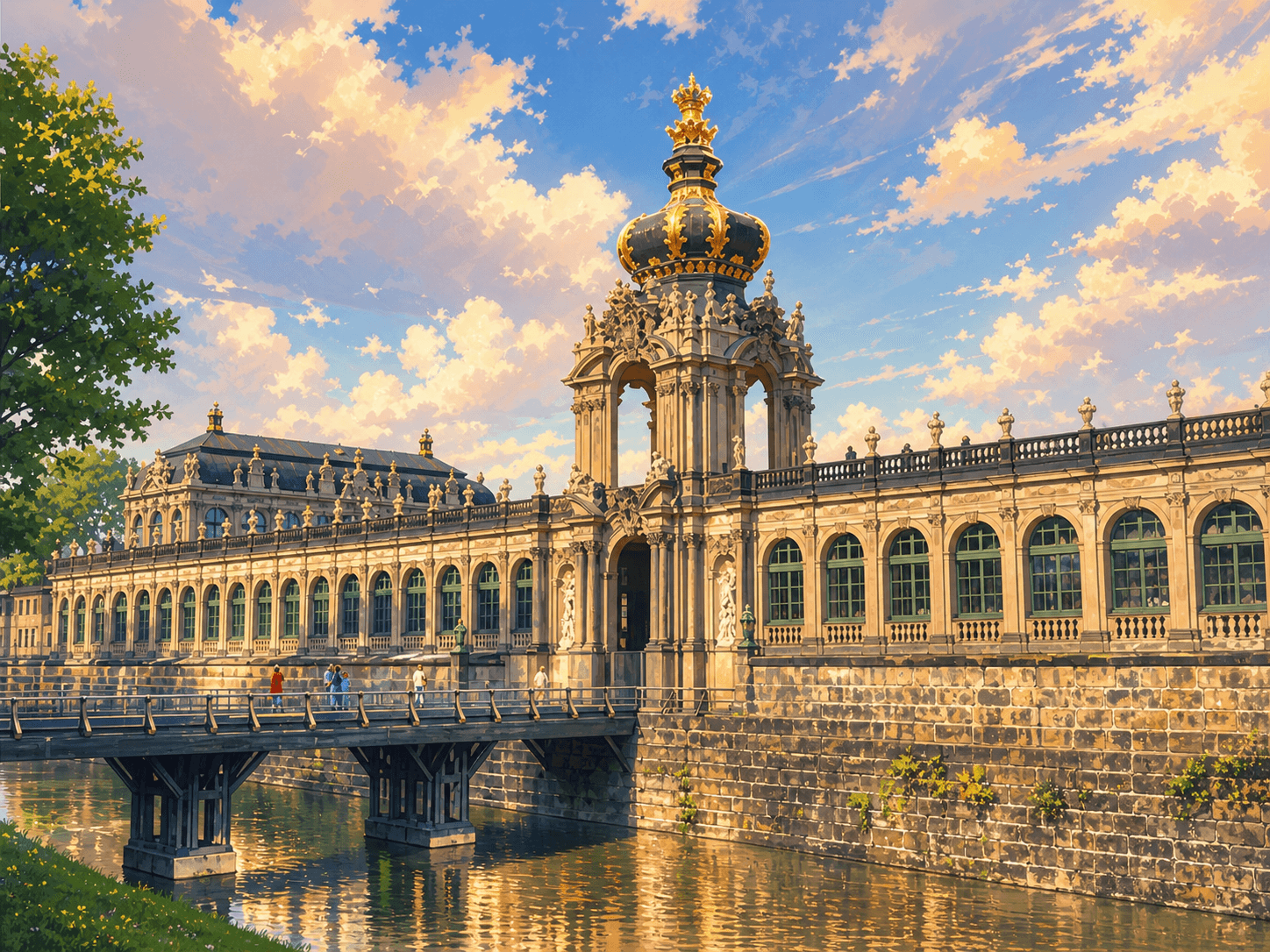
In January 2026, Dresden saw a number of decisions and planning initiatives in the field of urban development take center stage. From zoning plans to neighborhood development and infrastructure projects – municipal policy provided clear impulses for the future of Dresden.
Dresden in Transition: Urban Development in January 2026
Urban development in Dresden is a key factor in ensuring the city's long-term viability. In January 2026, numerous projects and plans were presented, discussed, and in some cases already approved, which significantly influence the city's urban planning strategy. Particularly in the districts of Cossebaude, Altstadt, and Leuben, significant steps were taken that are of major importance in terms of infrastructure, as well as social and economic development.
Zoning Plan Development: Leuben and Altstadt in Focus
The development of zoning plans is a central element of urban planning in Dresden. In January, several zoning plan initiatives were at the heart of political discussions. The preliminary draft of Zoning Plan 3084 for the "Kiessee Leuben – Süd" area was presented, although the submitter postponed the proposal. This highlights how sensitive such drafts must be handled in the dialogue between planning authorities, investors, and the public.
In the Altstadt district, Zoning Plan 389 B, "Stadtquartier am Blüherpark-Mitte," was approved with consent. This plan lays the foundation for a future-oriented neighborhood development in a central urban area. At the same time, discussions around Zoning Plans 3082 (Altstadt I) and 3900 (Meußlitz) sparked political tensions concerning boundary lines, land use, and compensation for investors.
Neighborhood Development: Cossebaude as a Model Project
Another central topic was the development of the district of Cossebaude. The Committee for Urban Development, Construction, Transport, and Real Estate approved the draft of the local development concept for Cossebaude. This concept addresses urgent challenges such as vacant housing, infrastructure expansion, and the development of local retail areas.
Special attention was given to the revitalization of the Betonwerks site. This area is set to be transformed in the medium term into a multifunctional neighborhood with retail, housing, and recreational facilities. At the same time, the need for age-appropriate housing and barrier-free infrastructure is emphasized – a central aspect in the context of demographic change.
Concrete priorities were also set for the renovation of schools (GS Stetzsch and Cossebaude Secondary School) and the renewal of streets and cycling paths. The discussion about the lack of playgrounds and insufficient telecommunications coverage in parts of the Talstraße and Friedhofsweg highlights the complexity of challenges in peripheral districts.
Culture and Infrastructure: Renovations and New Projects in the Urban Space
In addition to neighborhood development, cultural and infrastructural measures were also in the spotlight. In the Altstadt district, the renovation of the façade plaster at the Ev.-Luth. Trinitatisfriedhof was approved, emphasizing the preservation of historical sites. At the same time, the design of a seating area in the Dürerstraße open space was approved – a small but symbolic contribution to the enhancement of the urban space.
Another highlight was the funding of the project "Kindernachtskaten in der Dresdner Altstadt 2026" with a grant of 3,774.00 euros. This project underlines the importance of cultural offerings for neighborhood identity. The enhancement of the Wiener Platz through fountain and seating area options shows how public spaces can be revitalized through small but meaningful measures.
Outlook: Urban Development as a Process
The developments in January 2026 show that urban development in Dresden is a dynamic process that requires both technical planning and social participation. The discussions around zoning plans, neighborhood concepts, and infrastructure projects illustrate how closely political decisions are linked to the needs of citizens. In the coming months, the implementation of many of these projects will be in the foreground – a process that requires both creative vision and flexibility.
NeoSearch analyses public council documents, committee minutes and municipal announcements. Source references appear automatically once verified meeting data is available.
What does this mean for businesses?
Municipal council decisions are early indicators: following the council agenda surfaces projects and tenders months before the official award — before they ever reach the procurement portals.
Track similar decisions in your region
Set up monitoring for kommunale Projekte in Sachsen — prefilled from this article.
Set up monitoring →More signals from Dresden
Environment and Climate in Dresden April 2026: Focus of the 20th Committee Meeting
In April 2026, environmental and climate policy will be in the spotlight in Dresden. The Committee for Environment and Climate will address key topics such as the municipal heat plan, waste management, and wind energy use. An overview of the most important decisions and debates.
Read more → Social Affairs and Housing in Dresden: Political Priorities in April 2026
In April 2026, the Committee for Social Affairs and Housing in Dresden focused on key topics such as budget adjustments, barrier-free mobility, and emergency housing concepts. An overview of the most important decisions and developments.
Read more → Culture and Community in Dresden: Decisions and Developments in April 2026
In April 2026, Dresden saw numerous developments in the area of culture and community. From new funding models and fee adjustments to structural reports – the Committee for Culture and Tourism set important impulses.
Read more →