Social Meeting Places in Chemnitz: What Do Citizens Wish For?
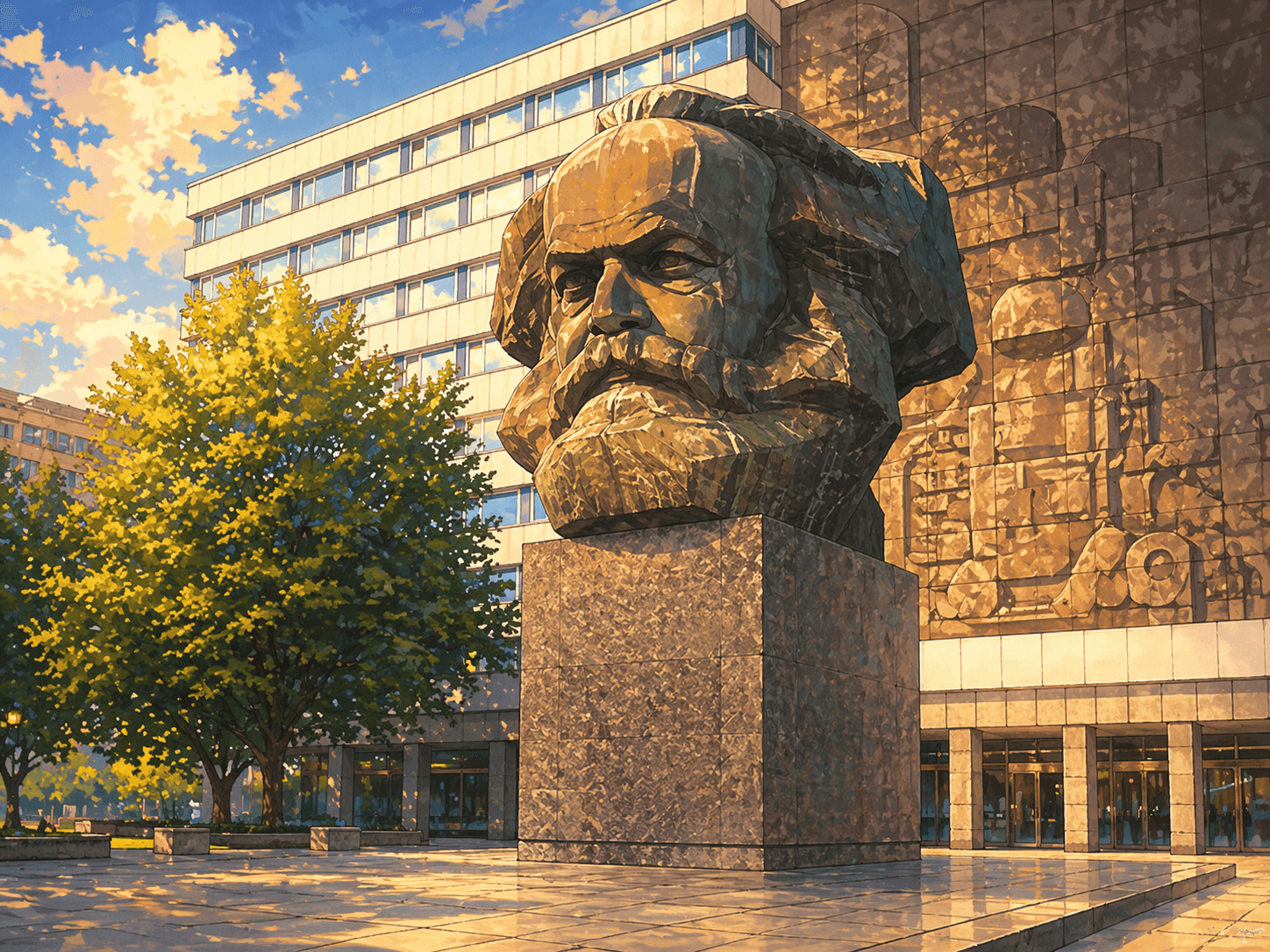
In April 2026, social meeting places were the focus of discussion in Chemnitz. The project "Spaces of Generosity – Places of Encounter" not only collected data but also developed proposals for stronger intergenerational networking. What do citizens wish for? And what conclusions does the city draw from this?
Social Meeting Places: A Response to the Challenges of Urban Society
In an increasingly digitalized and polarized world, the importance of physical places for social interaction is gaining weight. Chemnitz, with its blend of historical heritage, industrial tradition, and cultural diversity, has made a concerted effort in recent years to promote social inclusion. In April 2026, the project "Spaces of Generosity – Places of Encounter" was at the center of attention, having developed concrete proposals for social infrastructure in the city based on a comprehensive public survey.
Survey Results: Where and How Do Chemnitz Residents Meet?
The survey, conducted from June to September 2025, reached a total of 475 participants. A representative age distribution—from young adults to seniors—as well as a broad range of household structures underlines the relevance of the data. Particularly striking is the high importance attributed to meeting places: 260 respondents called them "very important," 154 "important," and only six said they were "unimportant."
The answers to the question "Where do you meet other people?" show a wide range. Public squares, cultural and sports facilities, as well as cafés and restaurants are among the most popular meeting places. Interestingly, 123 respondents mentioned community gardens—indicating a growing interest in social spaces within the urban environment.
What Do Citizens Want? Proposals from the Survey
The survey not only revealed the places of encounter but also specific wishes of the citizens. Many demanded more seating areas, car-free zones, and age-appropriate offers. The results show that meeting places in the city must be nearby, low-threshold, and practical for everyday use. The involvement of citizens in this process—such as through better visibility of the offerings—is considered crucial.
Moreover, it becomes clear that the districts have different needs. While some places call for an upgrade of their infrastructure, others focus on the creation of new spaces. The "Spaces of Generosity" project emphasizes the need to strengthen existing structures rather than creating new ones exclusively.
Follow-up Projects and Political Perspectives
In April 2026, a meeting of the Senior Advisory Council took place, in which the "Spaces of Generosity" project and subsequent initiatives were presented. Particularly noteworthy is the follow-up project "nebenan und mittendrin – Beteiligung im Alter gestalten," which aims to promote the active participation of seniors in urban planning.
These projects reflect a central trend in urban social policy: the strengthening of social cohesion through participatory processes and low-threshold offers. The city of Chemnitz follows a clear strategy based on inclusion, intergenerational responsibility, and citizen participation. At the same time, it becomes evident that implementing this strategy presents challenges—not least of a financial nature—making long-term planning and cooperation with civil society actors essential.
Outlook: Meeting Places as an Investment in the Future
The results of the "Spaces of Generosity" project show that social meeting places in Chemnitz are not just an option, but a necessary investment in the city's future. They contribute to social integration, strengthen the sense of local community, and provide a platform for participation, especially for seniors and people with disabilities.
The challenge for politics is now to translate the survey results into concrete projects and measures—and to do so not only in planning, but also in implementation. The city of Chemnitz has the Senior Advisory Council and citizen participation as strong partners at its side, who can jointly master this task.
NeoSearch analyses public council documents, committee minutes and municipal announcements. Source references appear automatically once verified meeting data is available.
What does this mean for businesses?
Town halls, fire stations, depots and administrative buildings create early construction and refurbishment opportunities. Following council agendas reveals projects before they go to tender.
Track similar decisions in your region
Set up monitoring for public buildings & administration in Sachsen — prefilled from this article.
Set up monitoring →More signals from Chemnitz
Culture and Community in Mittelbach: Financial Support for Associations and Cultural Projects
In April 2026, the local council of Mittelbach allocated crucial funds for cultural and non-profit projects. These steps send a clear signal for strengthening local identity and community.
Read more → Urban Development in Chemnitz: Focus on Industrial Zones and Infrastructure in April 2026
In April 2026, Chemnitz focused on pivotal urban development topics. The Committee for Urban Development and Mobility addressed the future of the industrial area Rabenstein, construction site coordination, and the allocation of new street areas. Here is an overview of the most important developments.
Read more → Youth Policy in Chemnitz: How the City Shapes Its Future
In April 2026, Chemnitz focused on decisions regarding youth support. An analysis of the latest developments, challenges, and future prospects.
Read more →