Youth Policy in Chemnitz: How the City Shapes Its Future
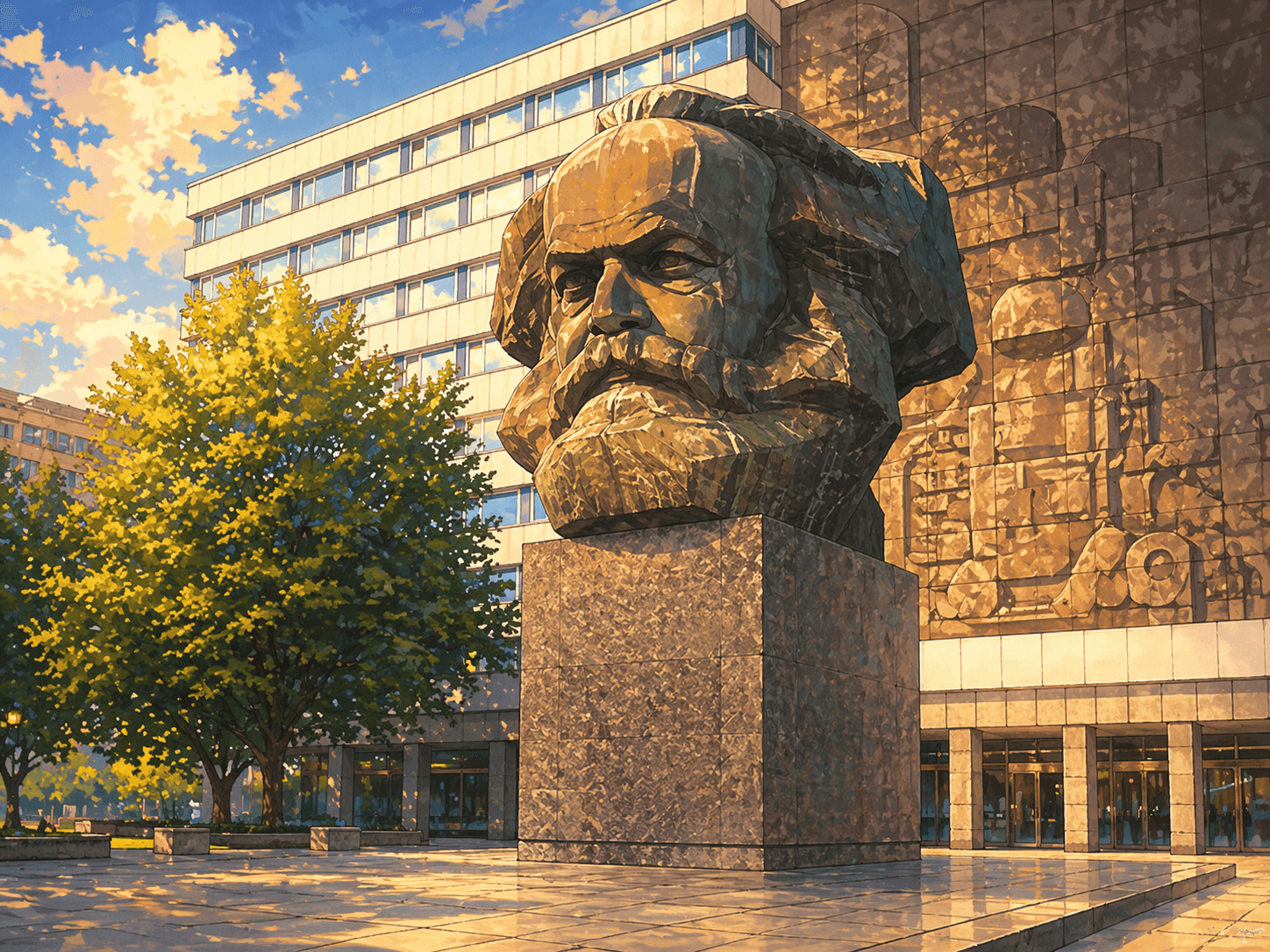
In April 2026, Chemnitz focused on decisions regarding youth support. An analysis of the latest developments, challenges, and future prospects.
Youth Policy in Crisis: How Chemnitz Responds to the Future
The future of the city of Chemnitz begins in youth centers, schools, and associations. In April 2026, the Youth Welfare Committee intensely addressed the current planning and funding of youth policy. The debates show how delicate the balance is between support, equality, and budget discipline—and how much the city depends on the participation of young people.
Youth Welfare Planning: From Current to Target Situation
The current youth welfare planning in Chemnitz shows clear deficits. Current status: 139 funded offers, goal: 146. With a budget of over 16 million euros, the city is well-positioned, yet implementation lags behind the plans. School social work remains underfunded in particular: Out of 72 planned offers, only 52 are currently available.
The city plans to actively involve independent youth welfare providers in the planning process. An information event on April 20, 2026, and a subsequent online survey are intended to increase participation. At the same time, expert working groups will continue, for example, dealing with mobile youth work or orientation towards the world of work.
Funding Concept: Equality and Prioritization in Focus
The approved funding concept sets clear priorities: prevention, development of life skills, participation, and inclusion. The concept is not only legally binding but also an instrument for fair prioritization. Particularly services of high significance in youth welfare planning will be given priority—even in the budget planning.
The mandatory funding for youth associations under § 12 SGB VIII remains in place. At the same time, space is also created for model projects that can be established within the framework of the youth welfare plan and the budget planning. Offers funded by third-party funds can receive up to ten percent state support.
Funding: Cuts and Prioritization in the Budget
The financial situation remains critical. If funds are insufficient, cuts in the proportional share of the total budget are planned. This means that no service group will be fully funded—a challenge for planning.
The Youth Welfare Committee has also decided to make priority decisions before applying the funding concept if necessary. This shows how much the city relies on flexibility to achieve its goals.
Participation and User Orientation: Young People as Co-Designers
A central point of the new funding concept is the anchoring of participation. Young people must not only be seen as a target group, but also as co-designers in the planning process. This is not only professionally necessary, but also legally required.
In practice, this means that each application must include a protection concept, a mission statement, an organizational chart, and evidence of quality assurance. In addition, cooperations with named institutions must be specifically named and professionally justified—a challenge for many youth groups.
Outlook: How Chemnitz Secures the Future of Its Youth
The debates in April 2026 show: Chemnitz is trying to place its youth policy on a sustainable basis. The challenges are great—from funding through participation to quality assurance. Yet the city is relying on clear structures, legal security, and strong involvement of the young people themselves.
The coming months will show whether this strategy bears fruit—and whether Chemnitz succeeds in what many cities have already tried before: a youth policy that does not just react, but actively shapes.
NeoSearch analyses public council documents, committee minutes and municipal announcements. Source references appear automatically once verified meeting data is available.
What does this mean for businesses?
Schools, daycare centres and public buildings create early planning and construction opportunities. Following council agendas surfaces tenders for refurbishment, new builds and fit-out months before the official award — from shell construction to specialist planning to furnishing.
Track similar decisions in your region
Set up monitoring for education & public facilities in Sachsen — prefilled from this article.
Set up monitoring →More signals from Chemnitz
Culture and Community in Mittelbach: Financial Support for Associations and Cultural Projects
In April 2026, the local council of Mittelbach allocated crucial funds for cultural and non-profit projects. These steps send a clear signal for strengthening local identity and community.
Read more → Urban Development in Chemnitz: Focus on Industrial Zones and Infrastructure in April 2026
In April 2026, Chemnitz focused on pivotal urban development topics. The Committee for Urban Development and Mobility addressed the future of the industrial area Rabenstein, construction site coordination, and the allocation of new street areas. Here is an overview of the most important developments.
Read more → Financial Policy in Chemnitz: Budget Decisions and Financial Audits in April 2026
In April 2026, Chemnitz focused on several important financial decisions and budgetary controls. The Administrative and Finance Committee and the local councils set priorities for associations, anniversary events, and investments. At the same time, the Audit Office identified critical issues concerning efficiency and legality.
Read more →