Cultural Policy in Chemnitz: Budget, Decisions, and the Role of the Cultural Committee in February 2026
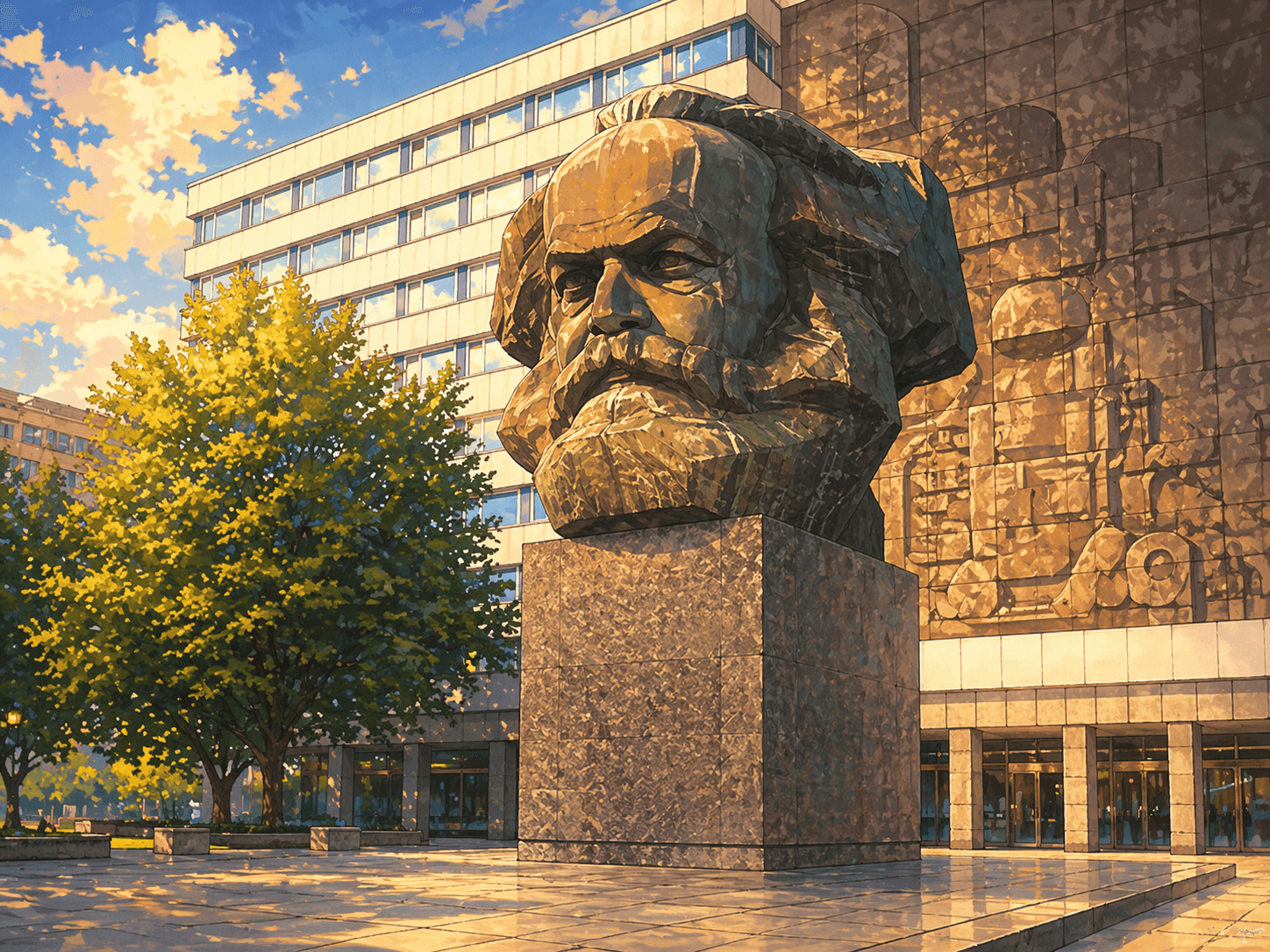
In February 2026, the Cultural Committee of the city of Chemnitz made important decisions regarding cultural funding. With a budget of nearly 4.4 million euros and a 5 percent reserve, museums, literature, youth culture, and other sectors were in the spotlight. This blog explores the background, the structure of the decisions, and the future of culture in Chemnitz as European Capital of Culture 2025.
Cultural Support in Focus: The Cultural Committee in February 2026
In February 2026, Chemnitz faced important cultural decisions on the agenda of the Cultural Committee. With a total sum of 4,406,244 euros for the support of cultural institutions and initiatives in 2026 and a budgetary reserve of 5% (220,312 euros), the city of Chemnitz actively advanced its role as European Capital of Culture 2025.
The decisions were largely unanimous or passed with majorities, with amendments from the SPD faction, the DIE LINKE faction, the BSW faction, and the BÜNDNIS 90/DIE GRÜNEN faction being taken into account. This underscores the broad political support for a diverse cultural landscape in the region.
Budget and Reserve: How is the Money Distributed?
The distribution of the budget followed clearly defined criteria set out in the Saxon Cultural Space Act (SächsKRG). Each cultural sector, such as museums, literature, performing arts, film and media, socio-cultural activities, or youth culture, had its own funding amount.
For example, the sector Museums, Collections, and Gardens received a total of 617,614 euros, while Youth Culture was allocated 171,475 euros. Particularly noteworthy is the Railway / Industrial Culture Site, which will be supported with 100,000 euros. This area is part of Chemnitz’s cultural identity and will play a central role in the implementation of its European Capital of Culture status.
The 5% reserve is an instrument for budgetary control applied equally to all applicants. It serves to cushion unforeseen financial risks and to ensure the stability of the budget.
The Role of the Cultural Advisory Board and the Cultural Committee
The Cultural Advisory Board and the Cultural Committee work closely together to ensure transparent and fair funding. The Cultural Advisory Board advises the Cultural Committee on decision-making issues and ensures that funding follows the principles of duty-bound discretion, good faith, equality, and cost-effectiveness.
The decisions of the Cultural Committee in February 2026 concerned not only the traditional cultural sectors but also cross-sectoral measures, such as the Cultural Strategy, the Cultural Funding Working Group, and the Cultural Advisory Board. With a budget of 162,865 euros for these areas, it is evident that Chemnitz is not only committed to artistic diversity but also to strategic planning and funding.
The Future of Culture in Chemnitz
By supporting independent cultural organizations, associations, and initiatives, Chemnitz is promoting a decentralized cultural policy that strengthens cultural diversity. The city supports not only institutions but also individuals, as is clearly evident in sectors like Literature (4,940 euros) or Visual Arts (805,610 euros).
A budget is also provided for special measures such as the TANZPAKT - Dance | Modern | Dance Chemnitz with 51,752 euros. This shows that the city of Chemnitz is ready to engage in international and innovative projects to actively use its European Capital of Culture role.
Conclusion: A Cultural Policy Foundation for the Future
The decisions of the Cultural Committee in February 2026 provide a strong impulse for the cultural development of Chemnitz. With a clear budget framework, broad political support, and a transparent decision-making structure, the city is pursuing a sustainable cultural policy that includes both local and international actors.
As European Capital of Culture 2025, Chemnitz is called upon to translate these impulses into practice. Funding is not only a financial expression but also a statement about the city's cultural future.
NeoSearch analyses public council documents, committee minutes and municipal announcements. Source references appear automatically once verified meeting data is available.
What does this mean for businesses?
Municipal council decisions are early indicators: following the council agenda surfaces projects and tenders months before the official award — before they ever reach the procurement portals.
Track similar decisions in your region
Set up monitoring for Culture and Community in Sachsen — prefilled from this article.
Set up monitoring →More signals from Chemnitz
Culture and Community in Mittelbach: Financial Support for Associations and Cultural Projects
In April 2026, the local council of Mittelbach allocated crucial funds for cultural and non-profit projects. These steps send a clear signal for strengthening local identity and community.
Read more → Urban Development in Chemnitz: Focus on Industrial Zones and Infrastructure in April 2026
In April 2026, Chemnitz focused on pivotal urban development topics. The Committee for Urban Development and Mobility addressed the future of the industrial area Rabenstein, construction site coordination, and the allocation of new street areas. Here is an overview of the most important developments.
Read more → Youth Policy in Chemnitz: How the City Shapes Its Future
In April 2026, Chemnitz focused on decisions regarding youth support. An analysis of the latest developments, challenges, and future prospects.
Read more →