Governance and Administration in Dessau-Roßlau: Transparency, Decision-Making, and Digital Transformation in April 2026
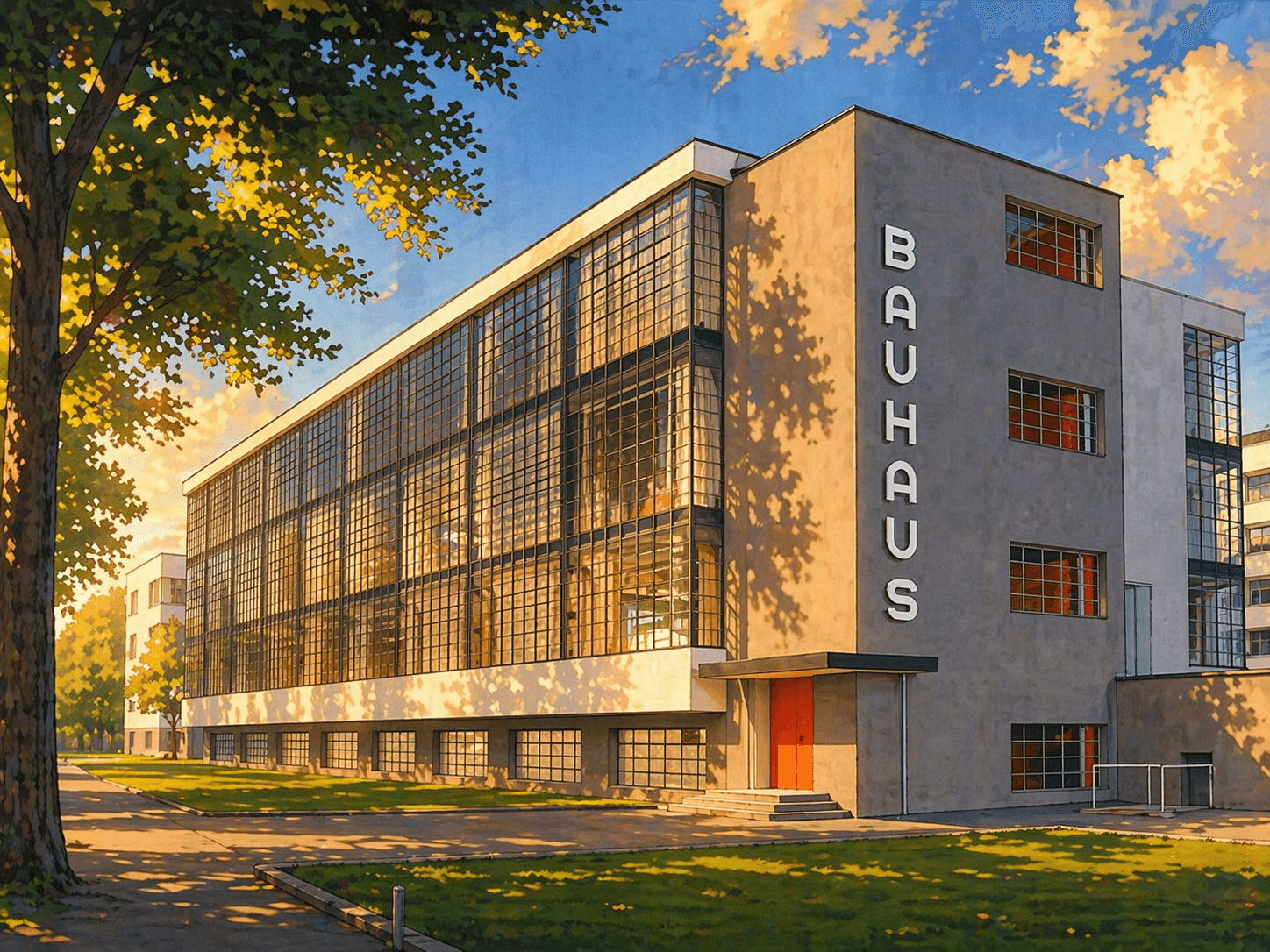
In April 2026, Dessau-Roßlau initiated new impulses in various administrative and governance topics. From committee structures to budget management and digitalization strategy—this blog offers deep insights into the current developments.
Governance and Administration in Dessau-Roßlau: Transparency, Decision-Making, and Digital Transformation
The city of Dessau-Roßlau presented itself in April 2026 as a model for a modern, transparent, and proactive administration. Numerous meetings, decisions, and process optimizations demonstrated how the municipality is responding to challenges through governance structures, budget planning, and digital solutions. Particular focus was placed on the optimization of committee work, the stabilization of finances, and the digital transformation of the administration.
Committee Structure and Transparency: A Solid Foundation
In April 2026, Dessau-Roßlau relied on a clear and structured committee process. The local council committees and district advisory committees convened at scheduled times, often in central locations such as town halls or community centers, to engage directly with citizens. A uniform agenda—featuring a public question session, announcements, and reports—underscored the commitment to transparency.
Another key element was the digital documentation of meetings using the software Sitzungsdienst Session. This not only improved traceability but also enabled centralized archiving of committee work. The use of unique committee numbers such as ORKoch/065/2026 or ORBr/038/2026 ensured the trackability of decisions.
Moreover, the city clearly demonstrated its commitment to citizen proximity. The public question session, which could last up to an hour, was supported digitally: citizens could submit questions via email up to the day before the meeting, and the answers were made available on an online platform. This approach ensured that even less mobilized population groups could participate.
Budget Planning and Financial Consolidation: Challenges and Solutions
The city’s financial stability was a central topic in several meetings. The city council approved the 2026 budget and authorized unplanned expenditures, particularly in the areas of social services and investments. A particular challenge was the increasing demand for basic security and educational support, which, combined with rising prices and unexpected operating costs, led to higher expenditures.
To ensure long-term financial balance, a budget consolidation plan for 2027 was considered. This involved careful evaluation of budget freezes, loan acquisitions, and withdrawals from reserves. Particularly noteworthy was the decision to release 900,000 euros from the earmarked reserve of the Anhaltisches Theater for unavoidable investments in 2026. This step emphasized the prioritization of investments in the cultural sector despite tight financial conditions.
Digital Transformation and IT Priorities: Future-Proofing the Administration
A central focus was the digitalization of the administration. The 2026 IT priorities list, with a financial requirement of 1.468 million euros, illustrated how strongly Dessau-Roßlau is investing in modern IT infrastructure. The projects, which are integrated into the IT/Digitalization department and the specialist offices, aim to increase the efficiency of the administration while simultaneously offering citizens higher service quality.
Implementation is carried out in compliance with budgetary and procurement law regulations. Cost-saving approaches were also considered, such as consolidation and more efficient billing models. Therefore, the digitalization strategy is not only a technical project but also an instrument for budget consolidation and the improvement of public services.
Governance Developments: Personnel Changes and Reforms
There were also significant developments in the governance area. For example, the Juvenile Welfare Committee was newly appointed, with Nancy Mergenthaler and Joachim Nothdurft newly elected. The proposal came from the AfD faction, indicating the politically shaped structures within the committees. Additionally, a personnel change took place in the district advisory committee Ziebigk/Siedlung, with Dr. Klaus Kegler newly appointed.
There were also changes at the political level. The personnel of the Mayor and the Deputy Mayors were confirmed in April, with the responsibilities for finance, digitalization, social affairs, and construction clearly defined. This reinforced the clear distribution of competencies within the administration.
Outlook: From Governance to Governance 2.0
The developments in April 2026 show that Dessau-Roßlau not only relies on stable governance structures but also boldly invests in the future. Digitalization, budget consolidation, and the stronger inclusion of citizens in political decision-making processes are just a few examples of how the city is changing and evolving.
In the coming quarter, it will be particularly interesting to observe how the IT projects are implemented and what impact the budget reforms will have on the municipal financial situation. In addition, the question remains whether the current committee structure offers sufficient flexibility to deal with growing challenges such as climate change or increasing social inequality.
NeoSearch analyses public council documents, committee minutes and municipal announcements. Source references appear automatically once verified meeting data is available.
What does this mean for businesses?
Town halls, fire stations, depots and administrative buildings create early construction and refurbishment opportunities. Following council agendas reveals projects before they go to tender.
Track similar decisions in your region
Set up monitoring for public buildings & administration in Sachsen-Anhalt — prefilled from this article.
Set up monitoring →More signals from Dessau-Rosslau
Economic Development in Dessau-Roßlau: Focus on Land Use, Solar Parks, and Climate Fund
In April 2026, Dessau-Roßlau made important decisions in the field of economic development. The focus was on land use changes, the construction of a solar park, and the establishment of a climate fund. These measures show how the city strategically links economic growth and sustainability.
Read more → Culture and Community in Dessau-Roßlau: April 2026 in Focus
In April 2026, Dessau-Roßlau highlighted important cultural and municipal developments. The Committee for Culture and Sports prepared several events while simultaneously advancing the restoration of Wasserburg Roßlau. Another highlight was the planned public survey on the sports development concept.
Read more → Health Policy in Dessau-Roßlau: Focus on Care, Hospital, and Inclusion Services
In April 2026, Dessau-Roßlau made key decisions in health policy shaping the future of care, the structure of the Municipal Hospital, and the development of low-threshold services for care-dependent individuals. An overview.
Read more →