Governance and Administration in Dessau-Roßlau: Transparent Decision-Making and Civic Engagement
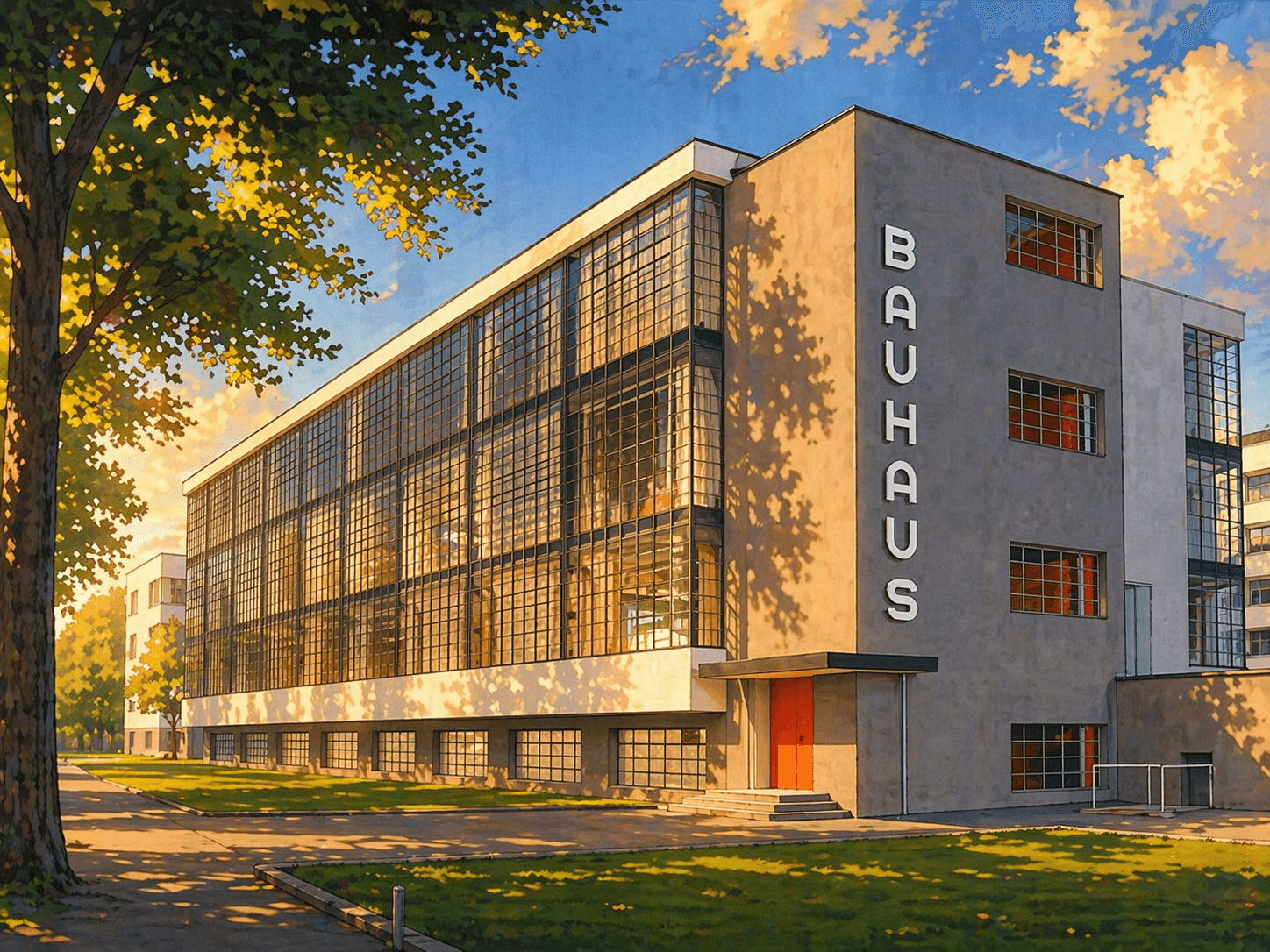
In March 2026, numerous meetings of district advisory boards, local councils, and other committees were at the center of attention in Dessau-Roßlau. These meetings demonstrated how transparent and citizen-oriented governance and administration function in the city.
Transparent Administration in Dessau-Roßlau: How Decisions Are Made
The city of Dessau-Roßlau is divided into several districts and municipalities, each of which has its own committees to discuss local concerns and prepare decisions. In March 2026, numerous meetings were held that provided a good insight into the functioning of governance and administration.
Committee Work in Districts and Municipalities
The district advisory boards and local councils are central pillars of municipal democracy in Dessau-Roßlau. They meet regularly to discuss local issues, answer citizen questions, and make proposals. In March 2026, for example, meetings took place in the districts of Alten, West, Zoberberg, innerstädtisch Mitte, Süd, and in the municipalities of Waldersee, Kleinkühnau, Mosigkau, Sollnitz, Rodleben, Streetz/Natho, Meinsdorf, and Großkühnau.
The meetings followed a similar structure: opening of the session, verification of the proper invitation, approval of the agenda, minutes from the previous meeting, citizen question time, communications from the chairpersons, and – in non-public sections – questions from the members. This structure ensures clear and transparent administrative communication.
The citizen question time is a particularly important element of these meetings. It allows citizens to directly engage with local politicians and raise concerns. This promotes participation and strengthens trust in local administration.
The Role of the Municipal Enterprise Stadtpflege
Another focal point within the governance structure is the Municipal Enterprise Stadtpflege Dessau, responsible for the provision of city services such as waste disposal, green space maintenance, and street lighting. On March 18, 2026, a meeting of the Committee of the Municipal Enterprise Stadtpflege was held, in which important measures for the procurement of replacement vehicles and equipment were discussed.
Among the decisions made were the procurement of new vehicles for waste management and green space maintenance, including a waste collection vehicle, a three-sided tipping truck with crane, a roll-on/roll-off container truck with crane, a mobile work platform, and a micro waste collection vehicle. The funding is provided through the 2027 investment plan, and the procurement will be tendered throughout Europe to ensure transparency and competitiveness.
In addition, quarterly reports on the implementation of the 2025 business plan and risk monitoring were presented during the meeting. These reports provide an overview of the financial and operational status of the municipal enterprise and ensure full traceability of decisions.
Digitization in Administration
Another aspect of governance in Dessau-Roßlau is the digitization of the administration. The use of the software "Sitzungsdienst Session" for documenting and organizing meetings is a step toward modern, efficient administration. In addition, citizen questions and questions from city council members are published on the city's official website, further enhancing transparency.
These digital tools make it easier for citizens to stay informed about the work of the committees and to become actively involved. They also help ensure that decision-making processes are transparent and citizen-oriented.
Outlook and Challenges
Governance in Dessau-Roßlau is characterized by a clear structure, transparency, and civic proximity. The committee work in districts and municipalities, as well as the work of the municipal enterprise Stadtpflege, ensures that local concerns are taken into account and that decisions are made on a broad basis.
Future challenges will primarily include the digitization of the administration, the financing of investments, and maintaining civic proximity. It remains to be seen how the adopted measures will perform in practice and whether they will meet the expectations of the population.
NeoSearch analyses public council documents, committee minutes and municipal announcements. Source references appear automatically once verified meeting data is available.
What does this mean for businesses?
Town halls, fire stations, depots and administrative buildings create early construction and refurbishment opportunities. Following council agendas reveals projects before they go to tender.
Track similar decisions in your region
Set up monitoring for public buildings & administration in Sachsen-Anhalt — prefilled from this article.
Set up monitoring →More signals from Dessau-Rosslau
Economic Development in Dessau-Roßlau: Focus on Land Use, Solar Parks, and Climate Fund
In April 2026, Dessau-Roßlau made important decisions in the field of economic development. The focus was on land use changes, the construction of a solar park, and the establishment of a climate fund. These measures show how the city strategically links economic growth and sustainability.
Read more → Culture and Community in Dessau-Roßlau: April 2026 in Focus
In April 2026, Dessau-Roßlau highlighted important cultural and municipal developments. The Committee for Culture and Sports prepared several events while simultaneously advancing the restoration of Wasserburg Roßlau. Another highlight was the planned public survey on the sports development concept.
Read more → Health Policy in Dessau-Roßlau: Focus on Care, Hospital, and Inclusion Services
In April 2026, Dessau-Roßlau made key decisions in health policy shaping the future of care, the structure of the Municipal Hospital, and the development of low-threshold services for care-dependent individuals. An overview.
Read more →