Governance and Administration in Dessau-Roßlau: Structure, Processes, and Transparency in Focus
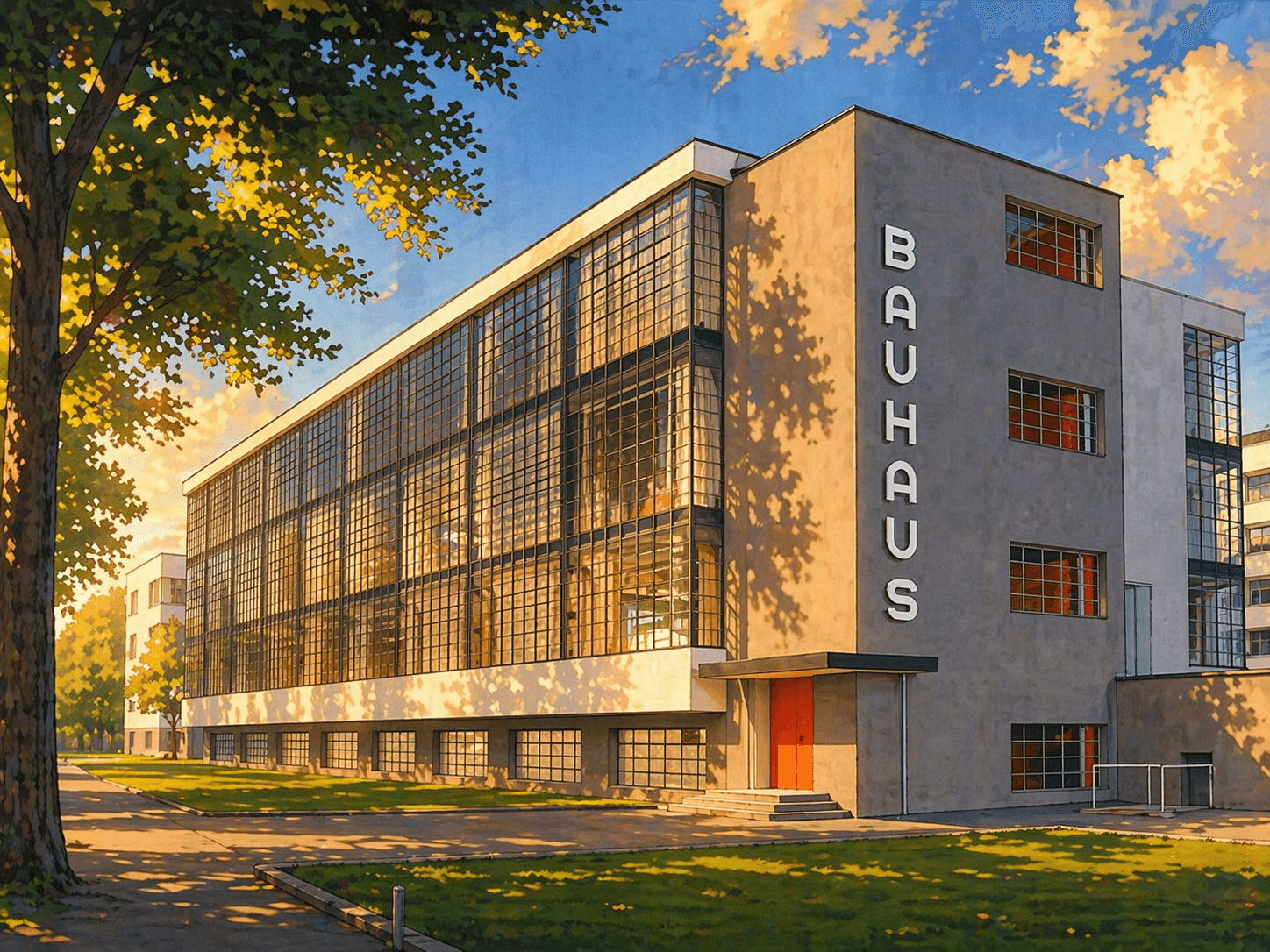
In Dessau-Roßlau, governance and administration are central themes that focus on the structure of committees, transparency, and digitalization. In February 2026, numerous decisions were made that strengthen administrative processes and public trust.
Governance and Administration in Dessau-Roßlau: How Decisions are Made
The city of Dessau-Roßlau has increasingly focused on a functional and transparent governance structure in recent years. In February 2026, numerous decisions were made that influence both the organizational structure and the financial administration of the city. The meetings of the various committees – from municipal councils to the city council – illustrate how decisions are made and implemented at the local level.
Committee Structure and Meeting Organization
Dessau-Roßlau maintains a differentiated committee structure that operates on multiple levels. At the district level, there are local councils responsible for areas such as Kochstedt, Brambach, or Großkühnau. At the municipal district or district level, municipal district advisory committees are responsible for areas such as Mitte/Süd or Ziebigk/Siedlung.
The meetings of these committees follow a standardized structure that ensures transparency and public participation:
- Citizen question time
- Approval of minutes
- Announcements and inquiries
In addition, public and non-public meeting segments are distinguished, with the public segments generally accessible to citizens. The use of meeting software such as “Sitzungsdienst Session” shows that Dessau-Roßlau is actively advancing the process of digitalization.
Financial Control and Participation Management
Another central aspect of administration is financial control. In February 2026, the annual financial statement of IVG Immobilien- und Verwaltungsservice GmbH was reviewed. The audit by Otto Schulz GmbH revealed a surplus of 81,598.02 EUR and confirmed compliance with commercial law. In addition, the release of the managing director and the supervisory board was granted, further emphasizing the financial soundness.
The City Marketing Company Dessau-Roßlau mbH (SMG D-R) is also strongly embedded in the administration. It is responsible for a ten-year mandate for marketing services and receives subsidies from the municipal budget. The SMG plays a key role in positioning Dessau-Roßlau as an attractive place to live and work, especially in the run-up to BUGA 2035.
Governance in the Context of BUGA 2035
BUGA 2035 is a central driver for urban development in Dessau-Roßlau. Numerous projects, such as the expansion of Jonitzer Allee as part of the Elbe Cycle Path, are being implemented in the context of BUGA. Both funding and own funds are used to improve infrastructure and strengthen the city’s touristic and cultural character.
In addition, the BUGA supervisory board was appointed, consisting of representatives from various political groups and the city. This shows how governance in Dessau-Roßlau also plays a central role in larger projects.
Digital Transparency and Citizen Participation
Another focus of Dessau-Roßlau’s governance strategy is digital transparency. Through the platform anfragen.dessau-rosslau.de, residents can submit citizen questions and receive answers. In addition, meeting protocols, minutes, and attendance lists are publicly accessible. This promotes not only transparency but also public trust in the municipal administration.
The use of standardized committee numbers such as “SBBIMS/050/2026” also underlines the systematic approach to administrative organization.
Outlook and Challenges
The governance structure in Dessau-Roßlau is characterized by a clear committee organization, transparent financial planning, and strong citizen participation. The digitalization of administrative processes and the inclusion of citizens in decision-making are key topics that need to be further developed in the coming years.
Future challenges could include increasing the efficiency of committee work, further improving financial transparency, and expanding citizen participation in the digital space. Dessau-Roßlau has already created a platform with BUGA 2035 that makes governance decisions visible – an opportunity that can also be used for other projects.
NeoSearch analyses public council documents, committee minutes and municipal announcements. Source references appear automatically once verified meeting data is available.
What does this mean for businesses?
Town halls, fire stations, depots and administrative buildings create early construction and refurbishment opportunities. Following council agendas reveals projects before they go to tender.
Track similar decisions in your region
Set up monitoring for public buildings & administration in Sachsen-Anhalt — prefilled from this article.
Set up monitoring →More signals from Dessau-Rosslau
Economic Development in Dessau-Roßlau: Focus on Land Use, Solar Parks, and Climate Fund
In April 2026, Dessau-Roßlau made important decisions in the field of economic development. The focus was on land use changes, the construction of a solar park, and the establishment of a climate fund. These measures show how the city strategically links economic growth and sustainability.
Read more → Culture and Community in Dessau-Roßlau: April 2026 in Focus
In April 2026, Dessau-Roßlau highlighted important cultural and municipal developments. The Committee for Culture and Sports prepared several events while simultaneously advancing the restoration of Wasserburg Roßlau. Another highlight was the planned public survey on the sports development concept.
Read more → Health Policy in Dessau-Roßlau: Focus on Care, Hospital, and Inclusion Services
In April 2026, Dessau-Roßlau made key decisions in health policy shaping the future of care, the structure of the Municipal Hospital, and the development of low-threshold services for care-dependent individuals. An overview.
Read more →