Dessau-Roßlau: Urban Development and Infrastructure Impulses in March 2026
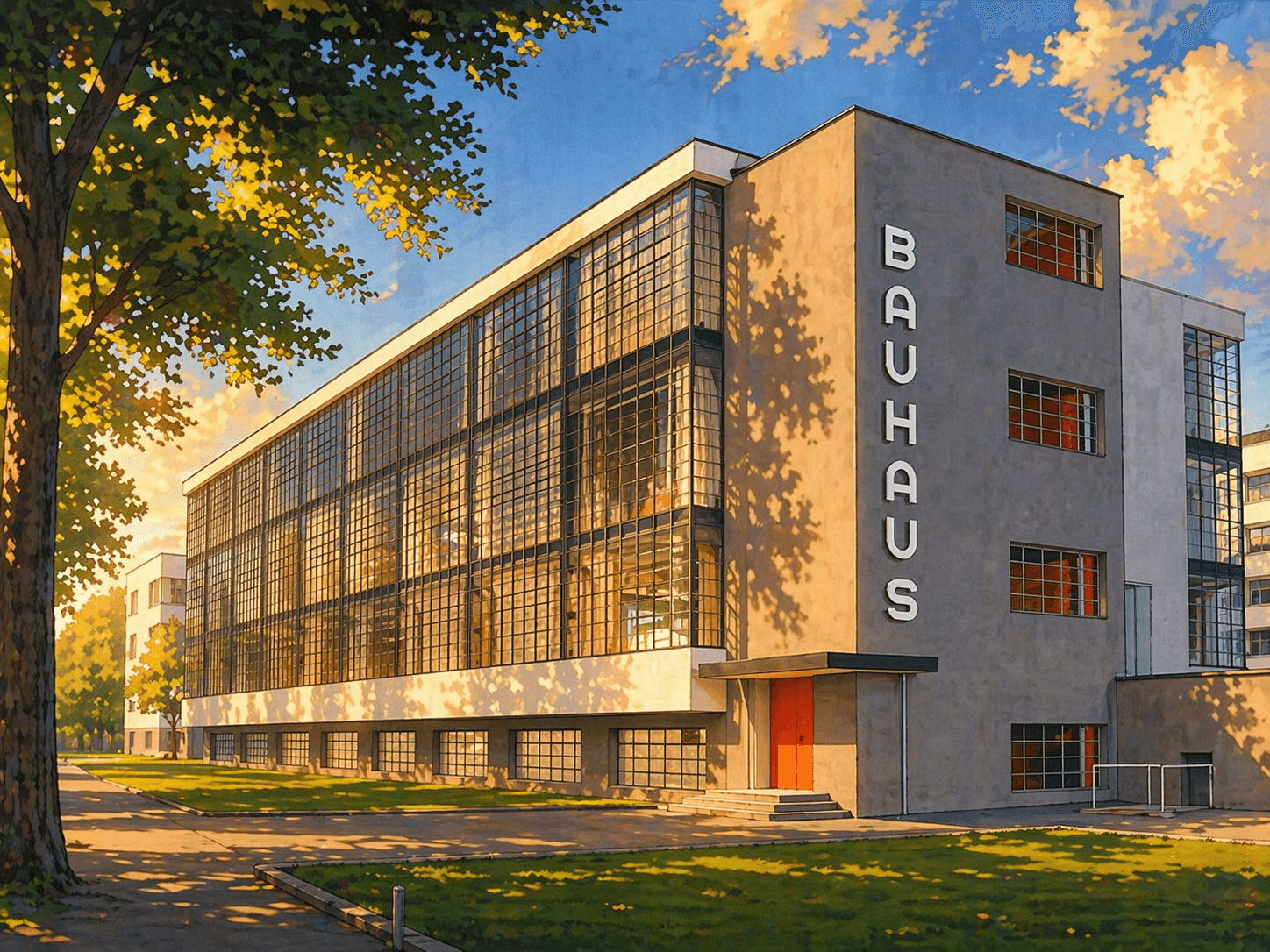
In March 2026, the city of Dessau-Roßlau set important impulses in urban development and infrastructure through several strategic decisions. The renovation of Wasserburg Roßlau, the reintroduction of a train stop, and the implementation of the Bau-Turbo Act show how the city is acting in a future-oriented and practical manner.
Urban Development in Dessau-Roßlau: Impulses and Plans in March 2026
Dessau-Roßlau has established itself in recent years as a dynamic actor in urban development. In March 2026, it set new accents through a variety of decisions and projects – from the renovation of historical cultural monuments through the expansion of transport infrastructure to the implementation of expedited construction laws. These measures show how Dessau-Roßlau is increasing its future viability and attractiveness.
Restoration of Wasserburg Roßlau: Culture and Funding in Harmony
The Wasserburg Roßlau is not only a historical cultural monument, but also a central venue in the city. In March 2026, it was decided to continue the restoration work on the castle, this time with funds from the Federal Infrastructure Special Fund amounting to up to 1.2 million euros. The Förderverein „Burg Roßlau“ e.V. has already performed extensive work since 2005 and also covers operational costs.
Together with the city, a utilization and renovation concept is being developed to ensure the long-term preservation and use of the castle. This project is a prime example of how culture and infrastructure in Dessau-Roßlau are being advanced through partnership and state support.
Reintroduction of the Meinsdorf Stop: Transport Connectivity and Regional Balance
Another central topic was the reintroduction of a regular stop on the regional express line RE7 at the Meinsdorf station. The local council of Roßlau explicitly requested this measure to improve transport infrastructure and increase the residential and location attractiveness of the region. The goal is to provide hourly connections to the RE7 line, thereby improving access to Dessau, Berlin, and Potsdam.
The city is being asked to actively support the implementation and to involve external partners such as members of the state parliament and local businesses. The Meinsdorf station has already been modernized and is an important transport hub for several districts. The measure is welcomed as a contribution to regional equality and relieving road traffic.
Bau-Turbo Act: Acceleration and Quality in Harmony
In March 2026, the application of the Bau-Turbo Act was also discussed and decided. The goal of the law is to accelerate the housing demand by removing bureaucratic hurdles. In Dessau-Roßlau, guidelines for the application of the law were adopted, with the mayor giving approval for specific cases, while the City Council decides on projects under § 246e of the Building Code (BauGB).
An amendment proposal from the Freies-Bürger-Forum faction emphasized the inclusion of the Urban Design Advisory Board in the decision-making process to ensure high urban and architectural quality. The amendment was accepted without delaying the process.
Further Projects: Monument Protection, Museum Development, and Winter Maintenance
In addition to the central topics, further projects were advanced:
- Relocation of the Junkers Monument "Ikarus": The monument will be moved from its current location to the eastern city entrance to be more integrated into the urban memory culture.
- Round-arch Hall for the Technology Museum: The round-arch hall, a prototype of the Junkers hall construction, will be financially supported and relocated to the museum site. This is a significant contribution to the cultural and tourist development of Dessau-Roßlau.
- Approval of Salt Spreading in Extreme Weather: In the interest of safety, it was decided to allow salt spreading in freezing rain and severe icy conditions. The city administration is obliged to clearly communicate this regulation in the winter maintenance ordinance and in public outreach.
Conclusion: Urban Planning as a Future-Oriented Strategy
With its urban development measures in March 2026, Dessau-Roßlau shows how infrastructure, culture, mobility, and living space can be strategically connected. The city is not only investing in physical development, but also in the identity and attractiveness of its community. With the Bau-Turbo Act, the restoration of historical buildings, and the improvement of transport infrastructure, Dessau-Roßlau has a clear vision that will carry it into the future.
NeoSearch analyses public council documents, committee minutes and municipal announcements. Source references appear automatically once verified meeting data is available.
What does this mean for businesses?
Municipal council decisions are early indicators: following the council agenda surfaces projects and tenders months before the official award — before they ever reach the procurement portals.
Track similar decisions in your region
Set up monitoring for kommunale Projekte in Sachsen-Anhalt — prefilled from this article.
Set up monitoring →More signals from Dessau-Rosslau
Economic Development in Dessau-Roßlau: Focus on Land Use, Solar Parks, and Climate Fund
In April 2026, Dessau-Roßlau made important decisions in the field of economic development. The focus was on land use changes, the construction of a solar park, and the establishment of a climate fund. These measures show how the city strategically links economic growth and sustainability.
Read more → Culture and Community in Dessau-Roßlau: April 2026 in Focus
In April 2026, Dessau-Roßlau highlighted important cultural and municipal developments. The Committee for Culture and Sports prepared several events while simultaneously advancing the restoration of Wasserburg Roßlau. Another highlight was the planned public survey on the sports development concept.
Read more → Health Policy in Dessau-Roßlau: Focus on Care, Hospital, and Inclusion Services
In April 2026, Dessau-Roßlau made key decisions in health policy shaping the future of care, the structure of the Municipal Hospital, and the development of low-threshold services for care-dependent individuals. An overview.
Read more →