Dessau-Roßlau: Urban Development in Transition – Focus on City Planning and Construction in April 2026
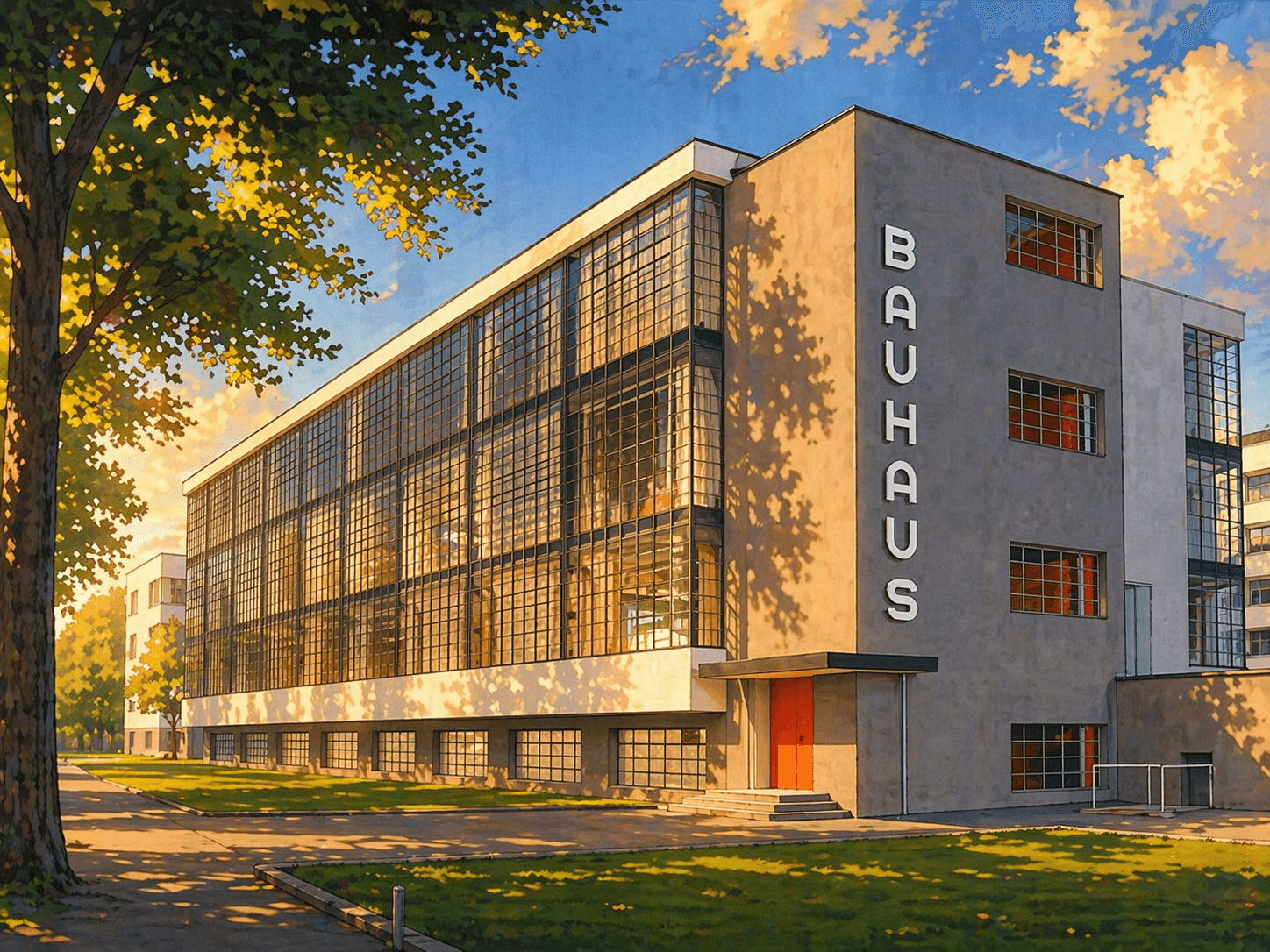
In April 2026, Dessau-Roßlau set benchmarks in municipal urban development. From the solar park to local supply – an analytical overview.
Dessau-Roßlau: Urban Development in Transition – Focus on City Planning and Construction in April 2026
The city of Dessau-Roßlau has demonstrated itself as a dynamic player in urban development in April 2026. With a wide range of construction plans, infrastructure projects, and climate protection measures, the twin city shows what forward-looking urban planning can look like – with a clear focus on sustainability, local supply, and economic promotion.
Construction Planning: Economic Impulses through Solar and Industrial Development
At the center of urban planning discussions in April was the Building Plan 228 "Industrial and Solar Park Lukoer Straße". After the approval of the decision, public participation is now planned in accordance with § 3 of the German Building Code (BauGB). The project replaces the previous Building Plan 58, which planned for a biogas plant, and now integrates an industrial company with self-sufficient energy supply from renewable sources. The planning costs are covered by the Sülzle Holding GmbH & Co. KG, indicating the company's significant economic involvement.
Another key project is the Building Plan 71 "Local Supply Mosigkau", which aims to enable the construction of a Netto Marken-Discount store on the Philipp-Müller-Straße. A local supply gap in Mosigkau has already been identified, and the planning is part of a strategic revision of the city center concept. The applicant covers the costs for planning and expert reports, suggesting a market-based planning approach.
Infrastructure: Road Construction and Digital Renewal
The renovation of the Meinsdorfer Straße and Roßlauer Straße (total costs: 590,000 €) is a central point of the city's infrastructure policy. The renovation is being carried out in two construction phases and is urgently needed, as severe frost damage is endangering traffic safety. The funding is sourced from multiple product accounts, indicating clear budget planning.
In addition, the development of a digital preservation management system at the Department of Underground Construction is a step toward smart urban planning. The digital recording of damage and renovation needs could reduce costs and increase transparency in the long term.
Climate Protection: The Municipal Climate Fund as a Central Building Block
Another exciting project is the establishment of a municipal climate fund, which will collect 60% of EEG (Renewable Energy Sources Act) revenues. The distribution of the funds is to be regulated by the end of 2026. 35% of the revenues will be allocated to all city districts based on population, and 5% to nearby city districts. The funds may be used for projects on energy efficiency, renewable energy, combating energy poverty, and urban green spaces. With an installed PV capacity of 320,000 kWp, up to 550,000 € in EEG revenues could be expected annually.
By doing so, the city is not only investing in infrastructure but also in social climate protection, making Dessau-Roßlau's policy appear forward-looking and integrative.
Future-Oriented Urban Development: From Cultural Site to Green Infrastructure
The renovation of the Wasserburg Roßlau (Water Castle Roßlau) is another highlight. Using funds from the federal infrastructure special account (up to 1.2 million €), the cultural and event venue is being revitalized. The Förderverein "Burg Roßlau" e.V. already covers the operating costs and has renovated the sanitary facilities in 2024/2025. The castle is not only a cultural beacon but also a symbol of the preservation of the historical cityscape in times of rapid change.
In addition, the 19th amendment to the Land Use Plan for Dessau has been approved, indicating a continuous adaptation of the city's land use – a decisive step in long-term urban development.
Conclusion: Dessau-Roßlau as a Model for Integrated Urban Planning
Dessau-Roßlau shows in April 2026 how urban development can look in the future: with a strong focus on sustainability, infrastructure, and social responsibility. The combination of economic promotion, climate-friendly projects, and the preservation of cultural identity makes the twin city an interesting model for other municipalities. The coming months will show how many of these projects will be implemented – and whether Dessau-Roßlau can actually realize its vision of a vibrant, sustainable city.
NeoSearch analyses public council documents, committee minutes and municipal announcements. Source references appear automatically once verified meeting data is available.
What does this mean for businesses?
Urban development, zoning plans and commercial settlements create early construction and supply opportunities. Following council decisions reveals projects before they go to tender.
Track similar decisions in your region
Set up monitoring for economic development in Sachsen-Anhalt — prefilled from this article.
Set up monitoring →More signals from Dessau-Rosslau
Economic Development in Dessau-Roßlau: Focus on Land Use, Solar Parks, and Climate Fund
In April 2026, Dessau-Roßlau made important decisions in the field of economic development. The focus was on land use changes, the construction of a solar park, and the establishment of a climate fund. These measures show how the city strategically links economic growth and sustainability.
Read more → Culture and Community in Dessau-Roßlau: April 2026 in Focus
In April 2026, Dessau-Roßlau highlighted important cultural and municipal developments. The Committee for Culture and Sports prepared several events while simultaneously advancing the restoration of Wasserburg Roßlau. Another highlight was the planned public survey on the sports development concept.
Read more → Health Policy in Dessau-Roßlau: Focus on Care, Hospital, and Inclusion Services
In April 2026, Dessau-Roßlau made key decisions in health policy shaping the future of care, the structure of the Municipal Hospital, and the development of low-threshold services for care-dependent individuals. An overview.
Read more →