Urban Development and Construction Planning in Saarbrücken: What Moved in April 2026
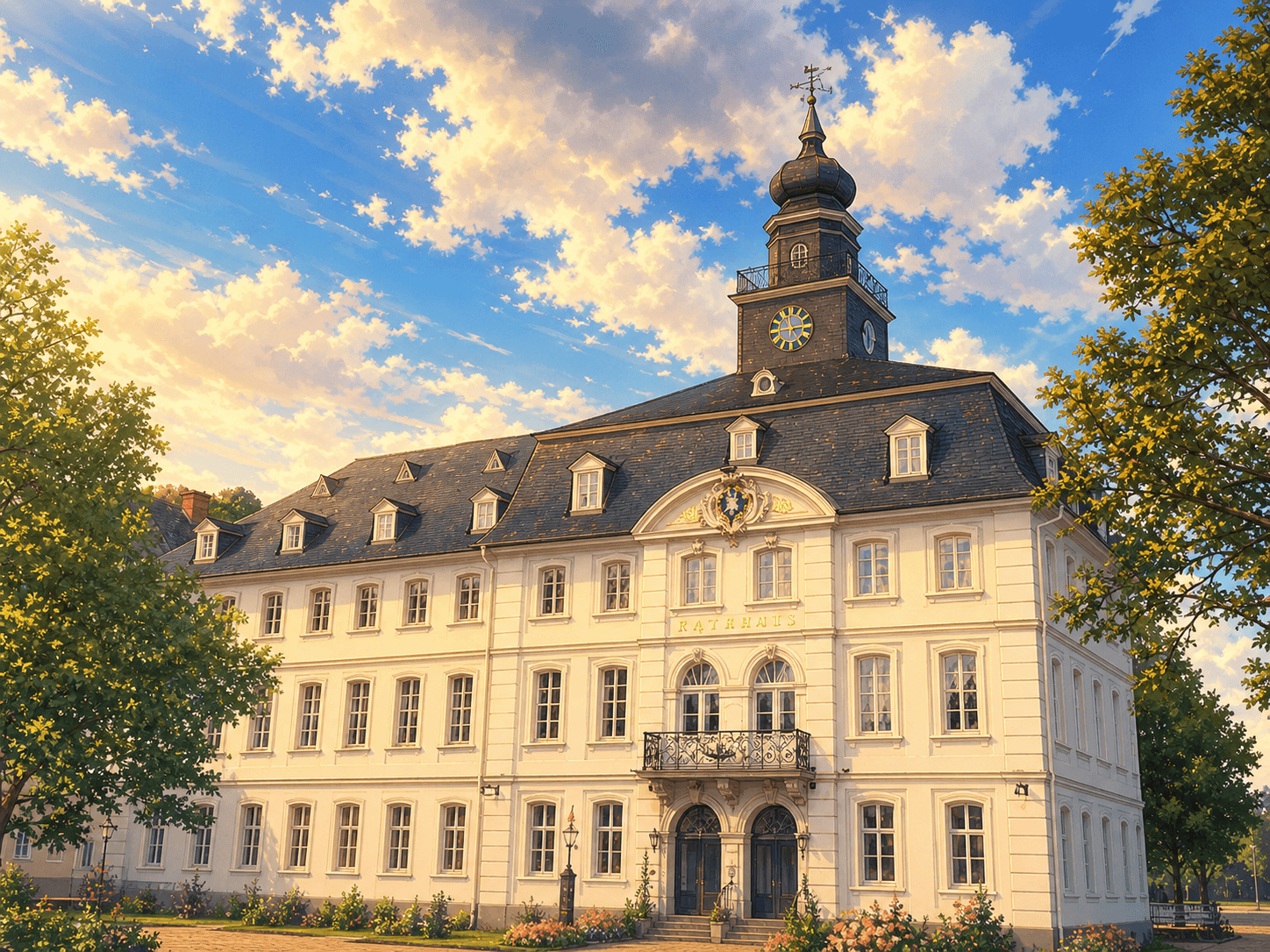
In April 2026, Saarbrücken saw several key decisions in the field of urban development and construction planning. Particularly noteworthy was the repeal of the zoning plan 213.04.00 "Parallelstraße zur Rosenstraße," which sparked extensive debate and had implications for the city's infrastructure. In this article, we analyze the background, decision-making processes, and consequences of these measures.
Urban Development in Motion: Construction Planning Debates in April 2026
In the state capital of Saarbrücken, several central topics in urban development and construction planning were in focus in April 2026. The debate around zoning plan 213.04.00, the securing of school routes, the renovation of cemeteries and playgrounds, and the discussion on derelict buildings revealed the complex challenges in urban development. These topics reflect the balance between traffic planning, climate protection, barrier-free infrastructure, and urban life.
The Repeal of Zoning Plan 213.04.00: A Step Toward Sustainability?
Zoning plan 213.04.00 "Parallelstraße zur Rosenstraße" was repealed in April 2026. The plan, which became legally binding in 1970, envisioned an access road with residential construction on both sides. However, this road was never actually built and is no longer considered necessary. The plan's area of application covered approximately 1.9 hectares between Rosenstraße and Am Aschbacherhof street.
The repeal was carried out as part of the city's planning and following a comprehensive environmental review. The goal is to avoid additional road traffic areas and residential construction. Instead, access will be via the street Am Aschbacherhof, which also enables the construction of a combined sewer. The repeal is considered positive for soil, water, and climate, as it contributes to reducing surface sealing.
The decision is part of a broader discussion on sustainable urban development in Saarbrücken. The repeal aligns with the land use plan and serves an orderly urban development. Moreover, no negative impact on the landscape or nature conservation areas is expected.
Safety and Accessibility: Applications for School Route Safety
Another central topic was the safety of school routes. Several applications from the SPD and CDU factions addressed the securing of school routes in Gersweiler, Klarenthal, and Ottenhausen. Particularly notable is the proposal to secure the embankment on the main street along the footpath to the kindergarten and school. The risk of falling due to the lack of passing space and poor visibility is considered a significant problem for children and the elderly.
In addition, a proposal for the installation of a push-button traffic light at the street "Am Ottenhausener Berg" was put forward. Further measures, such as warning signs, better lighting, or railings, are intended to enhance safety. These applications show how strongly the safety of children and parents in daily life is embedded in urban planning.
Playgrounds and Cemeteries: Recreational Areas and Barrier-Free Access
Recreational areas and barrier-free access to public spaces were also in focus. The local SPD branch in Gersweiler has advocated for the improvement of playgrounds. Proposals for the redesign of play equipment, protection against wild boar damage, and the renewal of sandbox areas show how multifaceted the requirements for modern playgrounds are. The city administration is now to examine how these measures can be financially implemented.
Another topic was the condition of the sidewalks and benches in the Gersweiler cemetery. The SPD faction criticized the fact that many paths are not barrier-free for people with a rollator or wheelchair and the benches are in poor condition. The applications call for a comprehensive renovation to improve access for all population groups. This shows how strongly urban planning also plays a role in the maintenance of public spaces.
Outlook: Sustainability and Climate Protection in Focus
The decisions in April 2026 show how strongly sustainability and climate protection are anchored in Saarbrücken's construction planning. The repeal of zoning plan 213.04.00 is an example of how the city is abandoning outdated planning and instead seeking sustainable alternatives. At the same time, the debate on the securing of school routes and playgrounds shows that the needs of citizens are at the heart of urban planning.
In May and June, there will likely be further discussions on the implementation of the adopted measures. In particular, the financing of playground renovations and the implementation of safety measures on school routes will remain a topic. The city of Saarbrücken is moving along an exciting path that balances traffic planning, climate protection, and social responsibility.
NeoSearch analyses public council documents, committee minutes and municipal announcements. Source references appear automatically once verified meeting data is available.
What does this mean for businesses?
Schools, daycare centres and public buildings create early planning and construction opportunities. Following council agendas surfaces tenders for refurbishment, new builds and fit-out months before the official award — from shell construction to specialist planning to furnishing.
Track similar decisions in your region
Set up monitoring for education & public facilities in Saarland — prefilled from this article.
Set up monitoring →More signals from Saarbruecken
Sport in Saarbrücken: Highlights and Challenges in April 2026
In April 2026, Saarbrücken was the focus of several key sports policy decisions and projects. The Committee for Sports and Public Facilities addressed the preparation for the Special Olympics, the renovation of sports facilities, and the long-term security of the sports infrastructure. An overview.
Read more → Climate Protection in Saarbrücken: How the State Capital Advances the Energy Transition in April 2026
In April 2026, the state capital of Saarbrücken made numerous climate-related decisions and launched initiatives to achieve its climate protection goals. The focus was on municipal heat planning, the promotion of renewable energies, and the strengthening of the climate protection management. Here is an analysis of the most important developments.
Read more → Social Affairs in Saarbrücken: Focus on Migration, Integration, and Neighborhood Policy in April 2026
In April 2026, Saarbrücken saw important decisions and discussions in the field of social affairs, particularly on topics such as refugee accommodations, the advisory board for people with disabilities, and senior participation in Rastpfuhl. This blog analyzes the political priorities, backgrounds, and implications.
Read more →