Sport in Saarbrücken: Highlights and Challenges in April 2026
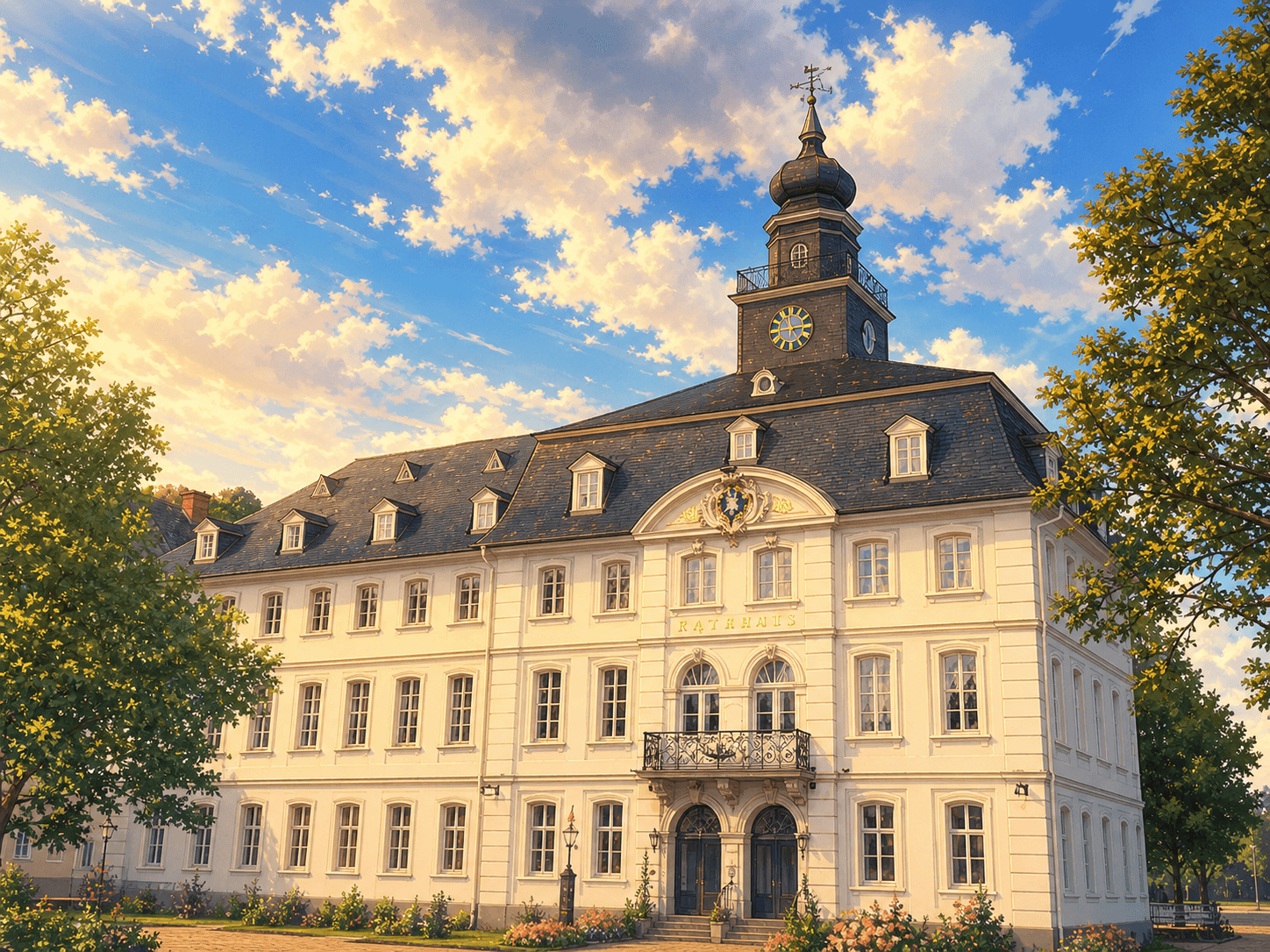
In April 2026, Saarbrücken was the focus of several key sports policy decisions and projects. The Committee for Sports and Public Facilities addressed the preparation for the Special Olympics, the renovation of sports facilities, and the long-term security of the sports infrastructure. An overview.
Sports Policy in Motion: Saarbrücken in April 2026
Sport is more than just a leisure activity – it is a central component of social, physical, and mental development. April 2026 proved to be a particularly active month for Saarbrücken, during which both international major events and local challenges in sports infrastructure were addressed. The Committee for Sports and Public Facilities dealt intensively with these topics.
Preparation for the Special Olympics: A Challenge with a Future
At the center of attention were the preparations for the Special Olympics National Games 2026, to be held from June 15 to 20 in Saarbrücken. The city will serve as the host for a wide range of sports – from badminton and basketball to canoeing and rowing. Approximately 4,300 to 5,000 athletes and Unified Partners, as well as more than 2,500 volunteers, are expected.
The city will use its existing sports and event venues such as the Saarlandhalle, Bowlbar32, or the Ludwigsparkstadion. A special role is played by the Congress Hall, which will be used as the main organizing office and for the health program "Healthy Athletes®". Planning for this event is not only a logistical challenge but also a sign of Saarbrücken's sporting and social openness. The city administration has clarified that the use of municipal sports facilities will be categorized in user group A of the fee schedule – a decision that ensures the financial sustainability of the major event.
Renovation of Sports Facilities: For Safety and the Future
Another central topic was the renovation of the Grün Weiss Matzenberg sports facility. The club, which operates eight teams there, including six youth teams, encountered urgent problems: potholes on the parking lot, ruts and stones on the playing field, roof leaks in the changing containers, and missing or unsafe shower facilities. All these deficiencies not only posed a safety risk but also placed a burden on the club, which relies on a functioning infrastructure. The committee approved a comprehensive renovation aimed at reducing the risk of injury and ensuring the long-term use of the facility.
Securing the ASC Dudweiler Athletics Track: A Key for Youth Sports
Another critical issue was the running track of ASC Dudweiler, which is the only athletics training facility in the region and of considerable importance. The club has over 370 active athletes, mainly children and young people. Without a functioning track, training would be limited, which would have a negative impact on the athletic and social development of the athletes.
The committee tasked the administration with examining short-term safety and modernization measures. The rationale: sport is not only physical activity but also a factor in social integration, health development, and personality formation – especially among young people. The decision underlines the city's commitment to securing the sporting future, even in smaller structures.
Outlook: Sport as a Bridge in the City Society
The decisions of April 2026 show that Saarbrücken sees sport not only as a leisure activity but as a central component of urban development. The preparation for the Special Olympics is a sign of international visibility, while the renovation of local sports facilities shows that youth sports and the social dimension of sport remain in focus.
In the coming months, the implementation of the approved projects and the experiences from the major event will be decisive. The question is whether the city can continue the course of sports policy investments – even in times of rising infrastructure costs and limited resources. One thing is clear: sport in Saarbrücken is more than movement – it is part of the identity and future of the city.
NeoSearch analyses public council documents, committee minutes and municipal announcements. Source references appear automatically once verified meeting data is available.
What does this mean for businesses?
Schools, daycare centres and public buildings create early planning and construction opportunities. Following council agendas surfaces tenders for refurbishment, new builds and fit-out months before the official award — from shell construction to specialist planning to furnishing.
Track similar decisions in your region
Set up monitoring for education & public facilities in Saarland — prefilled from this article.
Set up monitoring →More signals from Saarbruecken
Climate Protection in Saarbrücken: How the State Capital Advances the Energy Transition in April 2026
In April 2026, the state capital of Saarbrücken made numerous climate-related decisions and launched initiatives to achieve its climate protection goals. The focus was on municipal heat planning, the promotion of renewable energies, and the strengthening of the climate protection management. Here is an analysis of the most important developments.
Read more → Social Affairs in Saarbrücken: Focus on Migration, Integration, and Neighborhood Policy in April 2026
In April 2026, Saarbrücken saw important decisions and discussions in the field of social affairs, particularly on topics such as refugee accommodations, the advisory board for people with disabilities, and senior participation in Rastpfuhl. This blog analyzes the political priorities, backgrounds, and implications.
Read more → Urban Development and Construction Planning in Saarbrücken: What Moved in April 2026
In April 2026, Saarbrücken saw several key decisions in the field of urban development and construction planning. Particularly noteworthy was the repeal of the zoning plan 213.04.00 "Parallelstraße zur Rosenstraße," which sparked extensive debate and had implications for the city's infrastructure. In this article, we analyze the background, decision-making processes, and consequences of these measures.
Read more →