Urban Development in Saarbrücken: What Happened in March 2026
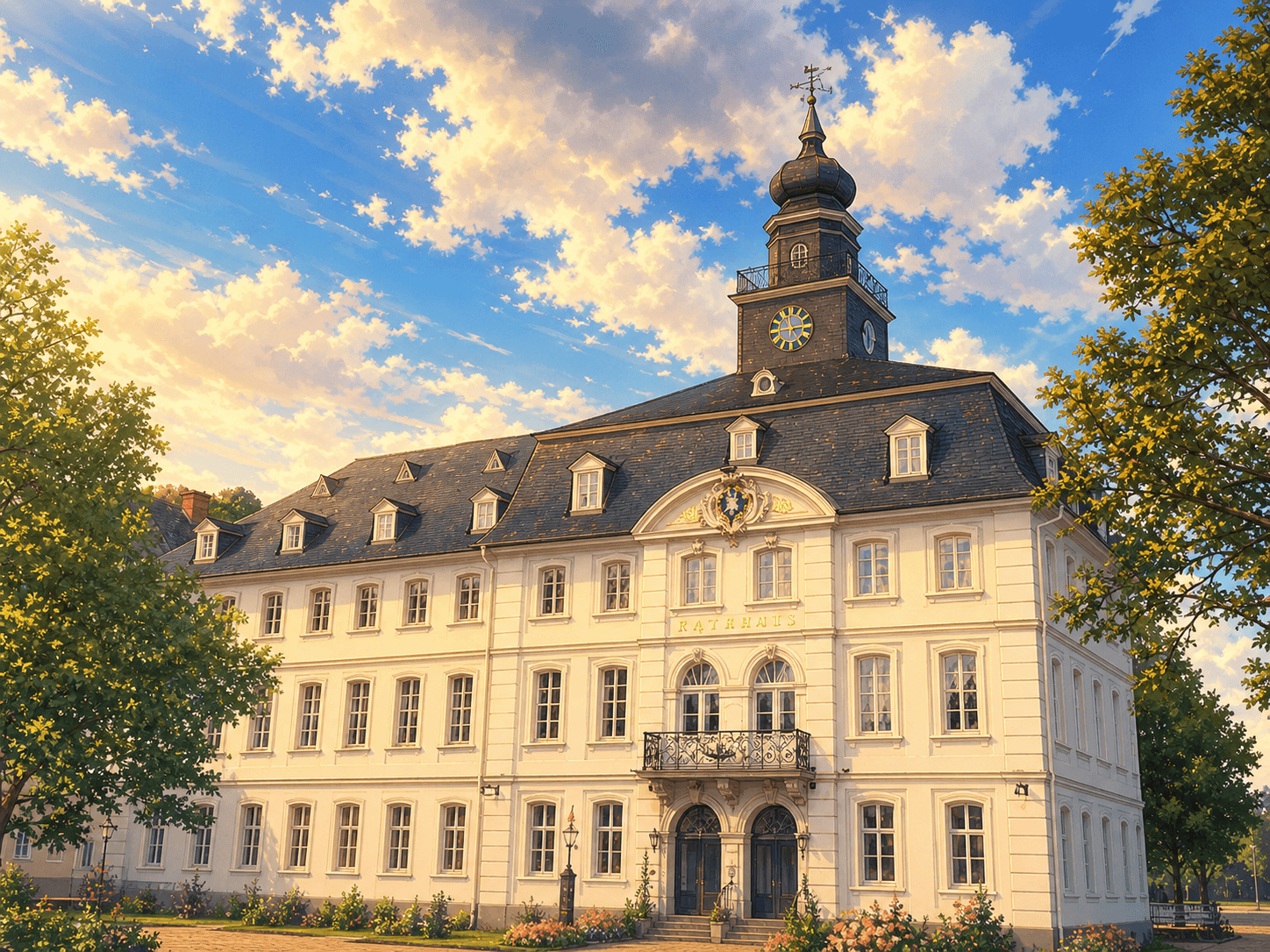
In March 2026, Saarbrücken saw a focus on numerous urban and construction projects. The Building Committee addressed topics such as cemetery expansions, accelerated approval procedures, housing statistics, and urban redesigns. This blog report analyzes the key decisions and developments.
Urban Development in Motion: Saarbrücken in March 2026
In March 2026, urban development in Saarbrücken clearly accelerated. The Building Committee dealt with a wide range of topics, touching on infrastructural, social, and ecological aspects. Particularly notable were the advances in cemetery expansions, the digital twin of the public transport space, and the analysis of housing construction since 2021.
Cemetery Expansions and Urn Chamber Facilities
One of the central topics of the March session was the planning of new burial areas and urn chamber facilities. At the Burbach Forest Cemetery, two facilities are planned, each offering space for 72 urn chambers. Each chamber can accommodate up to two burials, and the project aims for barrier-free access and ecological sustainability.
At the Fechingen Cemetery, new burial plots for various types of graves are also planned. This includes 10 children’s graves, 12 body row graves, and 21 urn choice graves. The pathways will be equipped with permeable paving to help reduce heat. The costs for the construction measures are in the low to medium six-figure range, and the funds have already been allocated in the budget.
Bauturbo Procedure: Accelerating Approvals
Another important topic was the “Bauturbo” procedure, designed to expedite the processing of construction applications. The goal is to process building applications quickly, transparently, and legally sound, without neglecting applicable urban planning regulations.
The procedure is uniformly structured and carried out by the Lower Building Authority, with political committees not intervening in individual cases. A mandatory notification of neighbors is provided, although this does not include participation rights. Regular reports to the Building Committee are intended to ensure transparency and to measure the success of the procedure.
Housing Construction Processes and Building Permits
The committee also addressed the development of building permits and housing construction in Saarbrücken since 2021. A detailed analysis of approved and actually completed housing units, as well as unplanned projects, was part of the report. The data is differentiated by single-family homes, multi-family homes, and other forms of housing.
The report aims to show to what extent planning and implementation are in alignment and whether there is a need for action to alleviate bottlenecks in housing construction. This analysis is particularly relevant as it allows conclusions to be drawn about the effectiveness of the urban development strategy.
Urban Development Projects and Green Space Development
In addition to the infrastructural projects, urban redesigns were also in the spotlight. The further development of the Almet area within the framework of urban development support was discussed. In addition, the expansion of the Urwald forest just outside the city is a forward-looking project that has been formalized with a Letter of Intent.
Another highlight was the planning of a play and meeting area in Altenkessel. The goal is to create a central area for physical activity for children, young people, and adults. Ideas from the citizens’ initiative “Our Altenkessel – Cleaner, Safer, More Beautiful” were incorporated, including calisthenics equipment, climbing walls, and trampolines.
Conclusion: Urban Development as an Adaptive Process
March 2026 was an intense month for urban development in Saarbrücken. The measures adopted show that the city is actively responding to the challenges posed by population growth, housing shortages, and climate change. Particularly the digitalization with the digital twin of the transport space and the inclusion of citizens in urban development projects highlight that Saarbrücken is heading toward a sustainable and participatory path.
What remains is the question of whether these projects will meet long-term expectations and how they will affect the cityscape and the lives of citizens. It will be revealing in April 2026 to observe how the plans can be implemented in reality.
NeoSearch analyses public council documents, committee minutes and municipal announcements. Source references appear automatically once verified meeting data is available.
What does this mean for businesses?
Urban development, zoning plans and commercial settlements create early construction and supply opportunities. Following council decisions reveals projects before they go to tender.
Track similar decisions in your region
Set up monitoring for economic development in Saarland — prefilled from this article.
Set up monitoring →More signals from Saarbruecken
Sport in Saarbrücken: Highlights and Challenges in April 2026
In April 2026, Saarbrücken was the focus of several key sports policy decisions and projects. The Committee for Sports and Public Facilities addressed the preparation for the Special Olympics, the renovation of sports facilities, and the long-term security of the sports infrastructure. An overview.
Read more → Climate Protection in Saarbrücken: How the State Capital Advances the Energy Transition in April 2026
In April 2026, the state capital of Saarbrücken made numerous climate-related decisions and launched initiatives to achieve its climate protection goals. The focus was on municipal heat planning, the promotion of renewable energies, and the strengthening of the climate protection management. Here is an analysis of the most important developments.
Read more → Social Affairs in Saarbrücken: Focus on Migration, Integration, and Neighborhood Policy in April 2026
In April 2026, Saarbrücken saw important decisions and discussions in the field of social affairs, particularly on topics such as refugee accommodations, the advisory board for people with disabilities, and senior participation in Rastpfuhl. This blog analyzes the political priorities, backgrounds, and implications.
Read more →