Mobility in Saarbrücken: Focus on Safety, Infrastructure, and Traffic Management
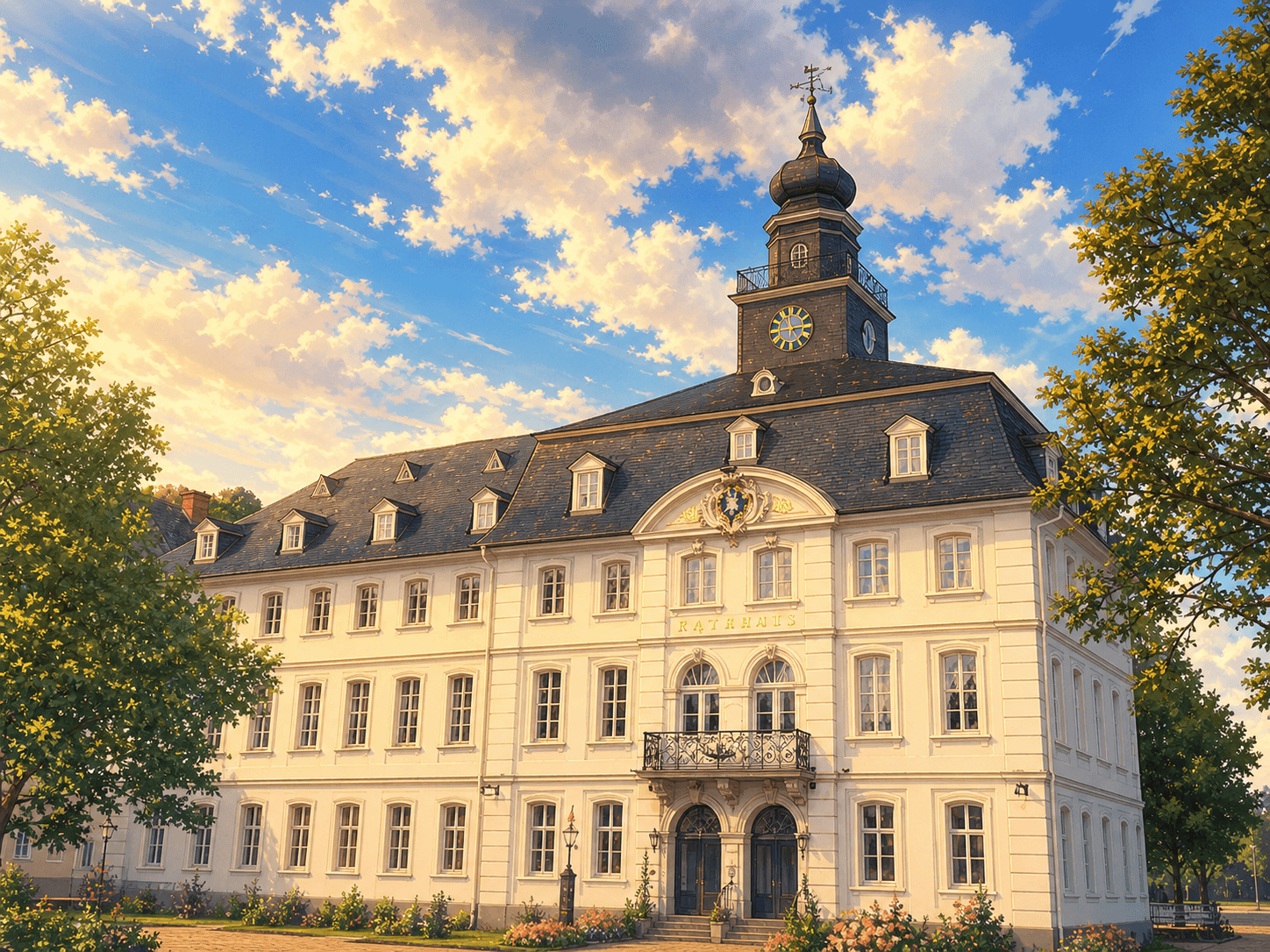
In January 2026, Saarbrücken focused on a range of mobility topics, from traffic safety measures and infrastructure investments to political decisions on traffic management. An overview of the most significant developments.
Mobility in Saarbrücken: Safety, Infrastructure, and Politics in January 2026
In January 2026, the state capital of Saarbrücken continued its work on developing a sustainable and safe mobility structure. Numerous meetings of the Transport Committee and the Dudweiler District Council generated decisions and discussions covering both infrastructural and political aspects. Particular attention was given to traffic safety, bicycle infrastructure, and the evaluation of new traffic concepts.
Traffic Safety: Focus on School Routes and Intersection Improvements
A central task of the Transport Committee was ensuring safe school routes. In the Blumenstraße in Altenkessel, specific measures were decided to make the pedestrian crossing safer through barrier-free equipment and new sidewalks. This measure is part of the Spotlight Campaign for School Route Safety from the 2030 Mobility Planning Concept (VEP 2030) and also supports the goal of promoting the use of bicycles and walking.
Another focus was the intersection of Deutschherrnstraße / Forbacher Straße / Metzer Straße. Repeated accidents, especially involving children on their way to school, have been reported here. The Transport Committee requested that the administration conduct a detailed risk analysis to initiate structural or traffic-organizational improvements. The evaluation of traffic light, marking, and signage conditions as well as visibility relationships is part of a comprehensive review.
Bicycle Infrastructure: Progress and New Projects
Bicycle traffic infrastructure in Saarbrücken is a central theme of the city’s mobility strategy. In January 2026, a new project was approved: the evaluation of the conversion of Mainzer Straße into a bicycle street. The street is one of the most frequently used cycling routes in the city center, but the narrow sidewalks and inadequate markings lead to conflicts between pedestrians and cyclists.
In addition, several bicycle infrastructure projects from 2025 were presented or completed. These include the pedestrian and cycling path along the Metzer Straße, the bicycle street Hohenzollernstraße, and the bicycle parking tower at the main station, which will cost up to 2.7 million euros and is 90% funded. In addition, bicycle boxes and protected bike lanes have been implemented in various districts.
Traffic Management and Politics: Debates on 30 km/h Zones and Cycling
In the Dudweiler district, there were political debates on traffic management in the Sankt Ingberter Straße. The B’90/Die Grünen faction submitted a motion to examine measures for better separation of traffic between cars, bicycles, and pedestrians. Residents criticized that after the introduction of a cycle path, speed limits had not been adjusted, leading to dangerous situations. Among the proposals were 30 km/h zones, better signage, and priority rules for cyclists.
These discussions show that there are constantly tensions in urban areas between traffic flows, safety, and quality of life. Politics is trying to find solutions that are acceptable to all road users.
Future of the Long-Distance Bus Station
Another important topic was the future of the long-distance bus station in Saarbrücken. The current location on Dudweiler Landstraße is considered outdated in terms of construction and technology. In addition, it is not within walking distance of the main station. Therefore, it is being examined whether the long-distance bus station can be converted into an integrated mobility center that is well connected to the train, Saarbahn, city bus, and bicycle networks. The Transport Committee has commissioned the evaluation of alternative locations, particularly at the "Neue Post" site.
Conclusion: Mobility as a Central Factor in Urban Development
January 2026 shows that mobility in Saarbrücken is not only a matter of infrastructure, but also a central building block for shaping urban development. Safety, sustainability, and user-friendliness are central criteria that repeatedly appear in the discussions and decisions. The implementation of the approved measures will be decisive in the coming months to concretize the city's mobility vision.
NeoSearch analyses public council documents, committee minutes and municipal announcements. Source references appear automatically once verified meeting data is available.
What does this mean for businesses?
Municipal council decisions are early indicators: following the council agenda surfaces projects and tenders months before the official award — before they ever reach the procurement portals.
Track similar decisions in your region
Set up monitoring for kommunale Projekte in Saarland — prefilled from this article.
Set up monitoring →More signals from Saarbruecken
Sport in Saarbrücken: Highlights and Challenges in April 2026
In April 2026, Saarbrücken was the focus of several key sports policy decisions and projects. The Committee for Sports and Public Facilities addressed the preparation for the Special Olympics, the renovation of sports facilities, and the long-term security of the sports infrastructure. An overview.
Read more → Climate Protection in Saarbrücken: How the State Capital Advances the Energy Transition in April 2026
In April 2026, the state capital of Saarbrücken made numerous climate-related decisions and launched initiatives to achieve its climate protection goals. The focus was on municipal heat planning, the promotion of renewable energies, and the strengthening of the climate protection management. Here is an analysis of the most important developments.
Read more → Social Affairs in Saarbrücken: Focus on Migration, Integration, and Neighborhood Policy in April 2026
In April 2026, Saarbrücken saw important decisions and discussions in the field of social affairs, particularly on topics such as refugee accommodations, the advisory board for people with disabilities, and senior participation in Rastpfuhl. This blog analyzes the political priorities, backgrounds, and implications.
Read more →