Governance and Administration in Saarbrücken: Decision Paths, Controversies, and Structural Development in March 2026
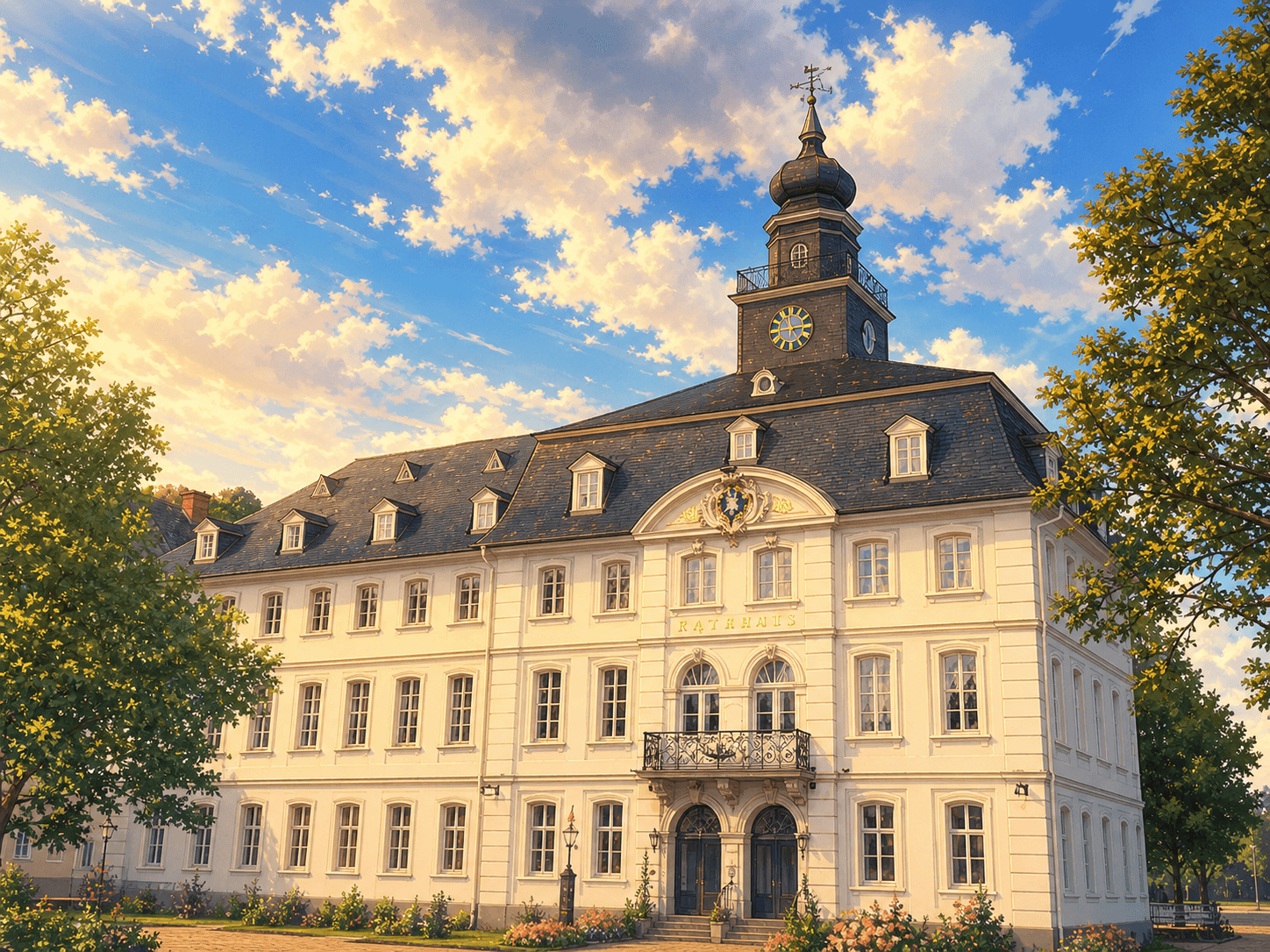
The city administration of Saarbrücken was in the political spotlight in March 2026, facing structural decisions and organizational challenges. An overview of the most important developments in the area of governance and administration.
Governance and Administration: A Key Theme for the Future Viability of the City
Governance and administration in a city are not merely bureaucratic background processes but central pillars on which the political and social stability of a community rests. In March 2026, Saarbrücken saw several decisions and discussions in the area of governance and administration take center stage, which not only affect the internal structure of the city administration but also have societal relevance.
1. Removal of a Deputy Mayor: Political Controversies in the Town Hall
March 2026 marked a significant decision in the Saarbrücken administration: The removal of Deputy Mayor Werner Schwaben (AfD) was proposed and discussed in stages. The background was the confirmed far-right stance of the AfD according to the assessment of the Federal Office for the Protection of the Constitution (BfV). The vote took place in two separate sessions – one on January 20, 2026, and another on March 5, 2026 – which shows that procedural rules were strictly followed.
The decision reflects not only a party-political tension but also the role of the administration in the task of reviewing the political views of its deputy mayors and, if necessary, reacting decisively. The debate about the role of deputy mayors in local politics gains a new dimension here: administrative news can directly influence political decisions.
2. Structural Administrative Work: Approvals, Minutes, and Budget Allocations
Another central topic of the March sessions was the approval of meeting minutes and the implementation of budget decisions. Numerous meeting reports were approved or noted, showing that the administration in Saarbrücken relies on transparent and documented decision-making.
A notable point was the allocation of 72,000 euros for renovation work in the attic of the Town Hall Square and 70,000 euros for fire protection measures at the Grundschule Gersweiler elementary school. These funds come from the 2027 economic plan, indicating strategic preparation and planning. At the same time, it becomes evident that the administration also carries out clear budget planning and refinancing for smaller projects.
3. Real Estate Policy and Property Management: Challenges and Opportunities
In March 2026, several committee meetings intensely discussed real estate matters. A central issue was Nauwieserstraße 14–18, where a land purchase contract was being prepared. The administration worked closely with political factions here – the SPD faction was specifically asked to submit a draft contract.
The use of the Bürgerhaus Dudweiler (Dudweiler Civic Center) was also in focus. It was reported that the utilization of the rooms in the previous year had been low, which led to discussions about possible rentals – especially of the restaurant – and increased use by associations and initiatives. Here, the administration was not only facing pure property management but also a social task: the use of public space for cultural and social purposes.
4. Personnel Policy and Staff Planning: Stability and Flexibility
Personnel policy in the administration is another crucial aspect of governance. In March 2026, several positions were filled, including two VZÄ positions in the JHZ S. At the same time, three positions remained unfilled due to illness. In addition, the appointment of a section head for IT and IT organization was decided, indicating the increasing digitization in the administration.
Staff planning is usually discussed in non-public sessions, which is necessary but also critically observed. Transparency in personnel matters is an interesting topic that may require more public attention in the future.
Conclusion: Governance as a Central Building Block for the Future of Saarbrücken
The events in March 2026 show that governance and administration in Saarbrücken are not just routine work but actively address political, financial, and social challenges. The removal of a deputy mayor, budget allocations, property planning, and personnel policy form a broad spectrum that underlines the complexity of municipal administration.
In the coming months, it will be particularly important how the administration deals with structural challenges – for example, the settlement of EU funding, the implementation of the local heat plan, and the redesign of public space. Governance in Saarbrücken is not only an instrument of urban planning but also a reflection of societal values and priorities.
NeoSearch analyses public council documents, committee minutes and municipal announcements. Source references appear automatically once verified meeting data is available.
What does this mean for businesses?
Town halls, fire stations, depots and administrative buildings create early construction and refurbishment opportunities. Following council agendas reveals projects before they go to tender.
Track similar decisions in your region
Set up monitoring for public buildings & administration in Saarland — prefilled from this article.
Set up monitoring →More signals from Saarbruecken
Sport in Saarbrücken: Highlights and Challenges in April 2026
In April 2026, Saarbrücken was the focus of several key sports policy decisions and projects. The Committee for Sports and Public Facilities addressed the preparation for the Special Olympics, the renovation of sports facilities, and the long-term security of the sports infrastructure. An overview.
Read more → Climate Protection in Saarbrücken: How the State Capital Advances the Energy Transition in April 2026
In April 2026, the state capital of Saarbrücken made numerous climate-related decisions and launched initiatives to achieve its climate protection goals. The focus was on municipal heat planning, the promotion of renewable energies, and the strengthening of the climate protection management. Here is an analysis of the most important developments.
Read more → Social Affairs in Saarbrücken: Focus on Migration, Integration, and Neighborhood Policy in April 2026
In April 2026, Saarbrücken saw important decisions and discussions in the field of social affairs, particularly on topics such as refugee accommodations, the advisory board for people with disabilities, and senior participation in Rastpfuhl. This blog analyzes the political priorities, backgrounds, and implications.
Read more →