Governance in Saarbrücken: How Decision-Making Took Shape in January 2026
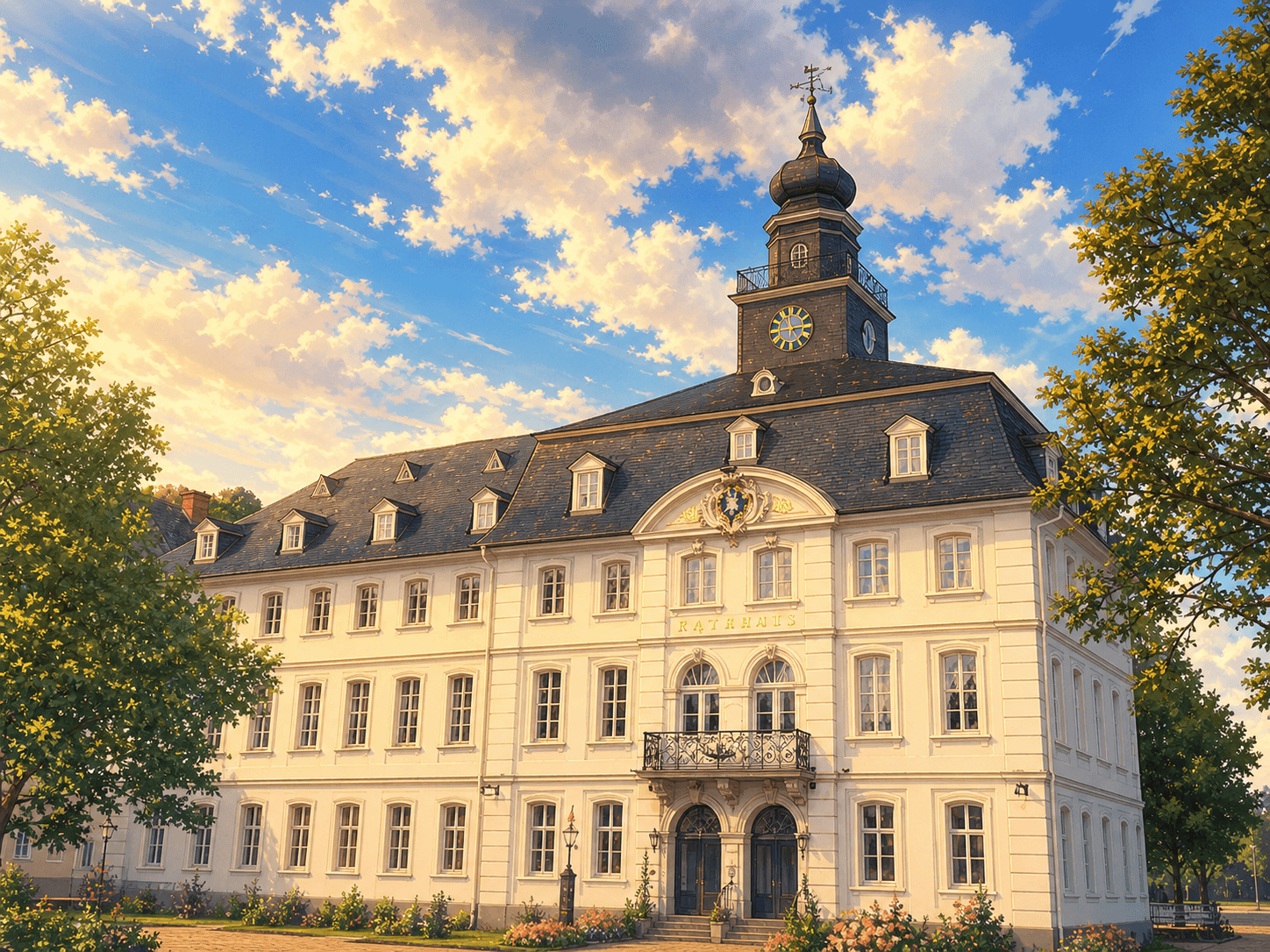
In January 2026, Saarbrücken focused on several important decisions and discussions in the area of governance and administration. The Integration Advisory Board, the Cultural Committee, and the Committee for the Disabled contributed to making political processes more transparent and citizen-friendly. This blog highlights the decisions made and their impact on the administration and citizens.
Governance in Motion: The Role of the Integration Advisory Board
The Integration Advisory Board of the state capital Saarbrücken was particularly active in January 2026. In its public session on January 13, several decisions were made that will have a lasting impact on governance in the city. These included the participation in the Oriental Market 2026, where the board will be represented with an information booth. This is not only a cultural contribution but also a signal for inclusion and networking. In addition, the formation of a working group was decided, which will develop recommendations for the 2026 Action Program. This working group is an example of participatory governance, in which various interest representatives actively shape the process.
Another focus was on financial policy: The board decided on applications for financial support, with artist fees up to 1,000 euros being covered. This illustrates how governance also plays a transparent role in financial decisions in order to promote civic engagement.
Digital Governance: The Cultural Committee and the City Archives
The Cultural Committee met on January 22, 2026, and dealt intensively with the work of the City Archives. The archives reported on the digitization of its holdings and the use of Artificial Intelligence (AI) for the transcription of historical documents. Particularly noteworthy is the work on the City Council Protocols from the years 1909 to 1944, which are being converted into a searchable format using HTR (Handwriting Recognition). This is a milestone in digital archiving and an example of how governance is strengthened through technological innovation.
In addition, a motion for the renovation of cultural and reading lounges was passed, aiming to develop these facilities into "third places." The motion emphasizes the need to create spaces for education, culture, and social participation and shows how governance is also implemented infrastructurally.
Inclusive Governance: The Committee for the Disabled and Participation
In January 2026, the work of the Committee for the Disabled was also in the spotlight. At its public session on January 27, a project for the preparation of the Special Olympics was presented. In addition, the planning of a summer festival that will serve as a networking event for people with disabilities was discussed. The Committee for the Disabled is a central actor in Saarbrücken’s governance, ensuring that the interests of people with disabilities are integrated into political decision-making processes.
The meeting underlined that governance does not only take place on a political level, but is also strengthened through local initiatives and participatory offers. The planned further meetings in 2026 show how continuously the city of Saarbrücken is working on inclusive governance.
Outlook: Governance as a Central Design Factor in Saarbrücken
The decisions and processes in January 2026 show that governance in Saarbrücken is not only an administrative task, but follows a strong participatory and digital approach. Whether through the work of the Integration Advisory Board, the digitization in the City Archives, or the inclusive policies of the Committee for the Disabled – governance here is a tool to strengthen political participation, create transparency, and shape the city society sustainably.
In 2026, it will be interesting to observe how these processes will develop further – especially with regard to the implementation of the 2026 Action Program and the digitization of the administration. Governance will not only play a role, but shape the future of the city.
NeoSearch analyses public council documents, committee minutes and municipal announcements. Source references appear automatically once verified meeting data is available.
What does this mean for businesses?
Town halls, fire stations, depots and administrative buildings create early construction and refurbishment opportunities. Following council agendas reveals projects before they go to tender.
Track similar decisions in your region
Set up monitoring for public buildings & administration in Saarland — prefilled from this article.
Set up monitoring →More signals from Saarbruecken
Sport in Saarbrücken: Highlights and Challenges in April 2026
In April 2026, Saarbrücken was the focus of several key sports policy decisions and projects. The Committee for Sports and Public Facilities addressed the preparation for the Special Olympics, the renovation of sports facilities, and the long-term security of the sports infrastructure. An overview.
Read more → Climate Protection in Saarbrücken: How the State Capital Advances the Energy Transition in April 2026
In April 2026, the state capital of Saarbrücken made numerous climate-related decisions and launched initiatives to achieve its climate protection goals. The focus was on municipal heat planning, the promotion of renewable energies, and the strengthening of the climate protection management. Here is an analysis of the most important developments.
Read more → Social Affairs in Saarbrücken: Focus on Migration, Integration, and Neighborhood Policy in April 2026
In April 2026, Saarbrücken saw important decisions and discussions in the field of social affairs, particularly on topics such as refugee accommodations, the advisory board for people with disabilities, and senior participation in Rastpfuhl. This blog analyzes the political priorities, backgrounds, and implications.
Read more →