Urban Development and Heritage Protection in Speyer – An Analysis of Developments in February 2026
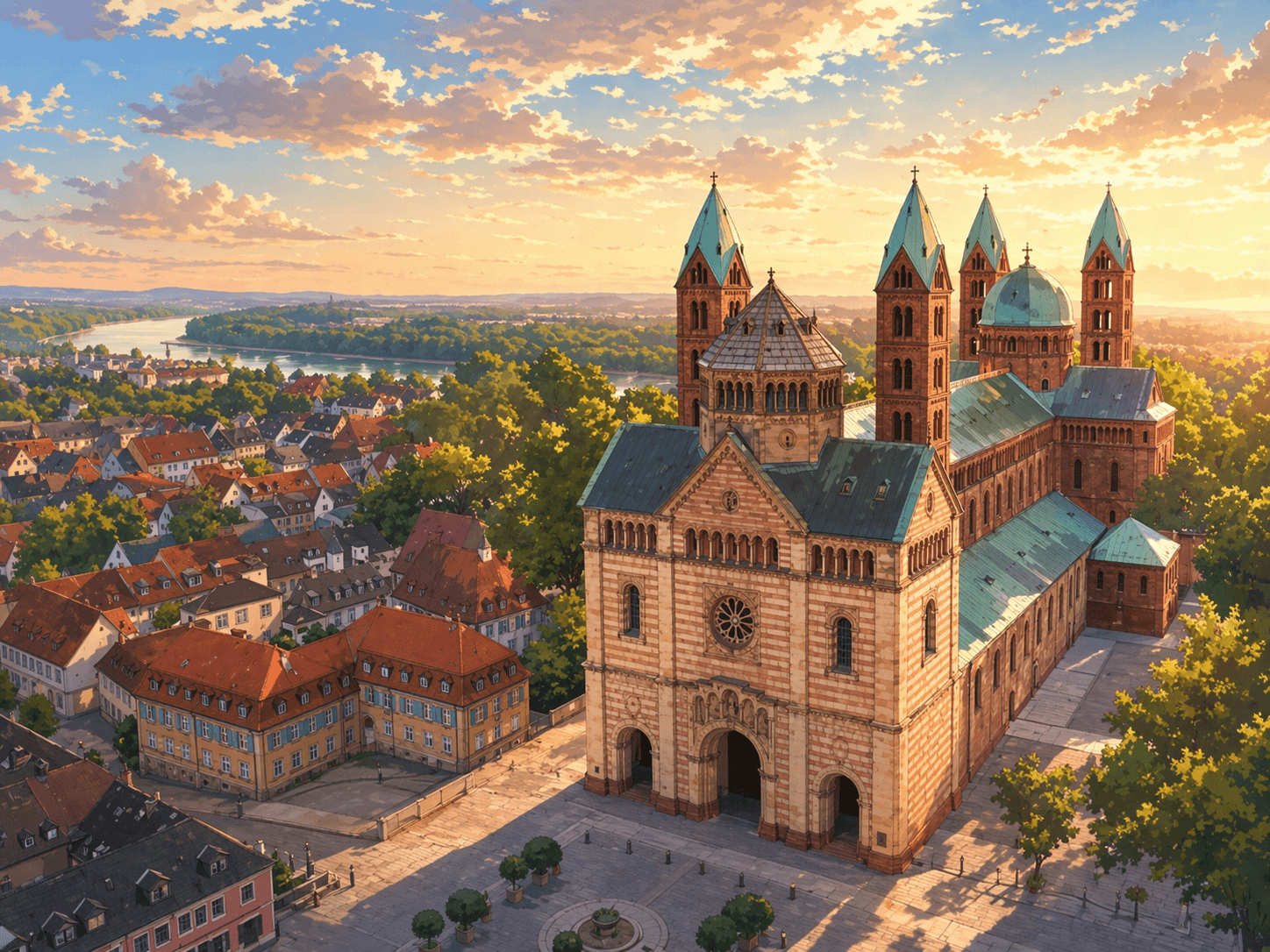
In February 2026, Speyer focused on decisive procedures and planning related to heritage protection and urban development. The city is working on designating the old town as a large heritage zone while simultaneously redesigning the public space. This blog post analyzes the current situation, background, and implications.
Heritage Zone Old Town: A Landmark Decision
In February 2026, the city of Speyer intensified its efforts to designate the old town area as a large heritage zone. The project "Stadtdenkmal Speyer" aims to legally protect and ensure the long-term preservation of the historical urban fabric, which spans several centuries. The necessary legal ordinance affects thousands of properties and owners, with far-reaching implications for zoning plans, old town regulations, and structural changes.
The administration is central to the implementation of the process, although staff shortages and the complexity of the legal framework (§ 4, § 8 Heritage Protection Act of Rhineland-Palatinate) present challenges. The designation represents a balance between the protection of cultural identity and the needs of modern urban development.
Monuments as Urban and Cultural Keys
The old town of Speyer is rich in cultural monuments that reflect the city's historical development. Numerous churches, monasteries, and sacred buildings such as St. Maria, St. Josef, and St. Bernhard shape the urban landscape. The dense urban fabric, dating back to the 11th century, is a testament to Romanesque architecture, later renovations, and the late Baroque reconstruction following the Palatinate Succession War.
A special highlight is the heritage zone "Domgarten," which surrounds the cathedral with a park. Established in 1821 and redesigned in 1949, it is an example of the integration of nature and sacred architecture. Preserving such historical structures is not only culturally significant but also of great importance for tourism.
Industrial Architecture and Its Urban Significance
In addition to the historical buildings of the old town, Speyer also boasts significant industrial architecture. The former Melchior Hess Felting Factory, the warehouse and office building of the Pfälzische Flugzeugwerke (designed by Albert Speer), and the former cigar factory are examples of the city's industrial past. These architectural monuments contribute to urban diversity and offer potential for creative use concepts.
The former Municipal Gasworks, a representative example of architecture from the Gründerzeit era, as well as the settlement history of the Non-Profit Housing Cooperative and the "Siedlung am Bahnhof," illustrate the development of housing in the 20th century. These urban elements are not only architecturally valuable but also socially and historically significant.
Public Space and Urban Future
The redesign of public spaces plays a central role in the current urban development. The cathedral square and the southern cathedral area were redesigned in 1989 by O. M. Ungers, and the Postplatz by Gottfried and Stephan Böhm, both renowned architects. These projects set urban accents and contribute to the city's identity.
The roofscape, historical sightlines, and the density of visual relationships shape the spatial fabric of the old town. The preservation and maintenance of such elements are essential for the city's tourism profile and quality of life. In addition, historical green spaces such as the Weidenberg, the Domgarten, and front gardens along Ludwigstraße and Zeppelinstraße hold particular urban value.
Outlook to the Future
Urban development in Speyer faces the challenge of combining the protection of historical structures with adaptation to modern needs. The designation of the old town as a heritage zone is a crucial step in this direction. At the same time, it requires careful planning to ensure the quality of life for citizens and to enable investments in the urban space.
The coming months will show how the city manages this balance and whether the administration is able to build the necessary capacities to successfully implement the project. For Speyer, as a historic cathedral city and tourist center, the future lies in the dialogue between preservation and development.
NeoSearch analyses public council documents, committee minutes and municipal announcements. Source references appear automatically once verified meeting data is available.
What does this mean for businesses?
Municipal council decisions are early indicators: following the council agenda surfaces projects and tenders months before the official award — before they ever reach the procurement portals.
Track similar decisions in your region
Set up monitoring for Culture and Community in Rheinland-Pfalz — prefilled from this article.
Set up monitoring →More signals from Speyer
Culture and Community in Speyer: What Was Decided in April 2026
In April 2026, the cultural and community life of Speyer was in focus. The Cultural Committee made decisions regarding the music school, galleries, awards, and events. An overview of the most important developments.
Read more → Sport Infrastructure in Speyer: The Renovation of the Ost Sports Hall in Focus
In April 2026, decisions on the future of the Ost Sports Hall in Speyer were at the center of attention. The Sports Committee discussed the renovation of the hall and the regulation of sports activities during construction – a topic with direct impact on clubs and citizens.
Read more → Speyer April 2026: Digitalization, Culture, and Future Perspectives
In Speyer, April 2026 brought a wide range of topics to the table – from the digitalization of administration to cultural realignment and financial consolidation. The city blog summarizes the most important developments for you.
Read more →