Mobility in Mainz: Tram Construction Sites, E-Mobility, and Traffic Calming in March 2026
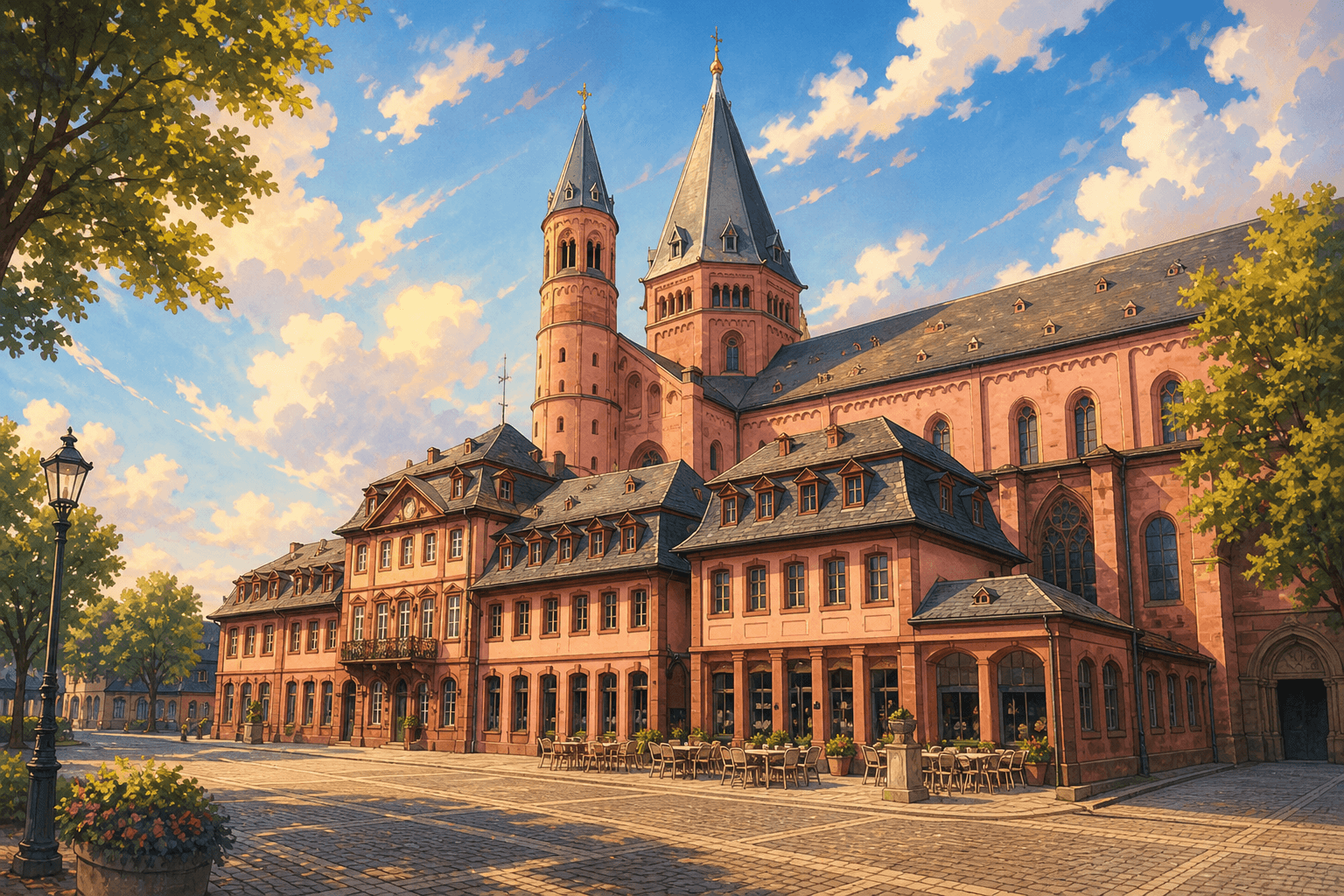
In March 2026, Mainz is making waves in the mobility scene with comprehensive measures – from replacement bus services to the expansion of e-mobility and traffic calming projects. This deep dive provides background, decisions, and perspectives.
Progress and Challenges in Mainz's Mobility Policy
The mobility situation in Mainz is developing dynamically in March 2026. The city is pursuing several parallel projects, ranging from the improvement of e-mobility to the redesign of the city center. At the same time, traffic infrastructure and public participation remain in focus. Below, the most important developments and their backgrounds are analyzed.
Tram Construction Sites and Replacement Bus Services
The commissioning of the new tram lines was initially planned for May 2026 but has been postponed to August 10, 2026. The reason: construction delays in the overhead line system and the reconstruction of tram stops. Nevertheless, important milestones have been achieved. For example, the Alicenplatz–Münsterplatz connection was completed by April 10, 2026, and the pedestrian and cycling paths in the northeastern part of the city are expected to be completed by June 2026 and accessible to the public.
Currently, several lines are affected by replacement bus services (SEV): 50, 51, 52, 53, 59. The SEV areas in Bretzenheim (until May 31, 2026) and Alicenplatz (March 30 to April 12, 2026) are particularly heavily used. The city has also announced a citizen event on August 15, 2026, to celebrate the completion of the construction measures and the start of the tram trial operation.
E-Mobility: Growth and Challenges
E-mobility in Mainz has developed significantly: from less than 1,000 battery electric vehicles (BEVs) in 2017 to about 13,000 in 2024. In 2026, the city has approximately 175 public charging points, with another 200 approved charging points to be added by the end of 2026. The action strategy of 2016 aimed for 6,500 e-vehicles by 2024 – this target was not met. Nevertheless, Mainz is on a good path.
The city has also introduced a Web-GIS, which makes the approval process for charging points more transparent. In the area of private charging points, the number increased from 153 in 2019 to 4,258 by the end of 2025. The first ultra-fast charging station at West Main Station was put into operation at the beginning of 2026, which could further accelerate the expansion of the infrastructure.
Mobility Planning and Public Participation
Mainz is relying on a participatory mobility planning approach. The IEK Mainz Innenstadt 2026 (Integrated Development Concept) is being continued. In a participation event in July 2025, suggestions from the public were collected. In addition, an online participation initiative via the Senf.App is planned, which was launched in spring 2025.
To further develop the Sustainable Urban Mobility Plan (SUMP), a Mobility Advisory Board has been established. The board consists of representatives from the administration, politics, civil society, and business and is tasked with supporting the strategic development of mobility. The Vision Zero, which aims for zero traffic fatalities, is a central guideline for the board's work.
Traffic Infrastructure and Safety
Mainz is investing heavily in traffic calming and safety in the street space. A new cycling officer, Mr. Roman Berdolt, has been appointed to lead the fahr-Rad-Büro. In the areas of Kaiserstraße and Große Bleiche, the infrastructure for cyclists has been improved, and car-reduced zones have been established.
In addition, new Weißgasse construction measures have been planned, starting in 2027. In the areas of Binger Straße / Wallstraße and the Rheinallee, shaft rehabilitation and fiber optic cable laying are underway. The city is also relying on climate-adapted streets, designed according to the Sponge City Principle. In addition, wildflower meadows, Tiny Forests, and greened parklets are being set up in the city center to increase the quality of stay.
Conclusion: Mainz as a Model City for Sustainable Mobility
Mainz is moving in the direction of a sustainable, safe, and fair mobility concept. The expansion of e-mobility, the improvement of traffic infrastructure, and the stronger inclusion of citizens in the planning processes are central successes. At the same time, challenges such as delays in the tramway and the utilization of parking spaces remain.
In the coming months, it will be interesting to observe how the trial phase of the tram proceeds and whether the planned measures actually lead to a mobility transition. With its consistent course in mobility policy, Mainz has already laid a solid foundation for the future.
NeoSearch analyses public council documents, committee minutes and municipal announcements. Source references appear automatically once verified meeting data is available.
What does this mean for businesses?
Municipal council decisions are early indicators: following the council agenda surfaces projects and tenders months before the official award — before they ever reach the procurement portals.
Track similar decisions in your region
Set up monitoring for kommunale Projekte in Rheinland-Pfalz — prefilled from this article.
Set up monitoring →More signals from Mainz
Housing Crisis in Mainz: Challenges, Deficits, and Strategies for 2026
The housing deficit in Mainz is continuing to rise while subsidized housing is declining. The city faces the challenge of creating affordable housing for all population groups – especially for senior citizens, single parents, and low-income households. A deep dive into the current situation, causes, and possible courses of action.
Read more → Youth Policy in Mainz: Playgrounds, Media Protection, and Youth Participation in April 2026
In April 2026, Mainz intensifies its focus on youth policy, emphasizing the modernization of playgrounds, strengthening media protection, and promoting youth participation in political bodies. The Youth Welfare Committee plays a central role in these efforts.
Read more → Mobility Development in Mainz – April 2026 in Focus
In Mainz, the administration is actively addressing the future of mobility. April 2026 brought numerous decisions regarding tram infrastructure, traffic calming, public transport improvements, and the development of green infrastructure. This blog post analyzes the most important developments and their impact on urban mobility.
Read more →