Mainz 2026: Social Policy and Climate Adaptation in Focus
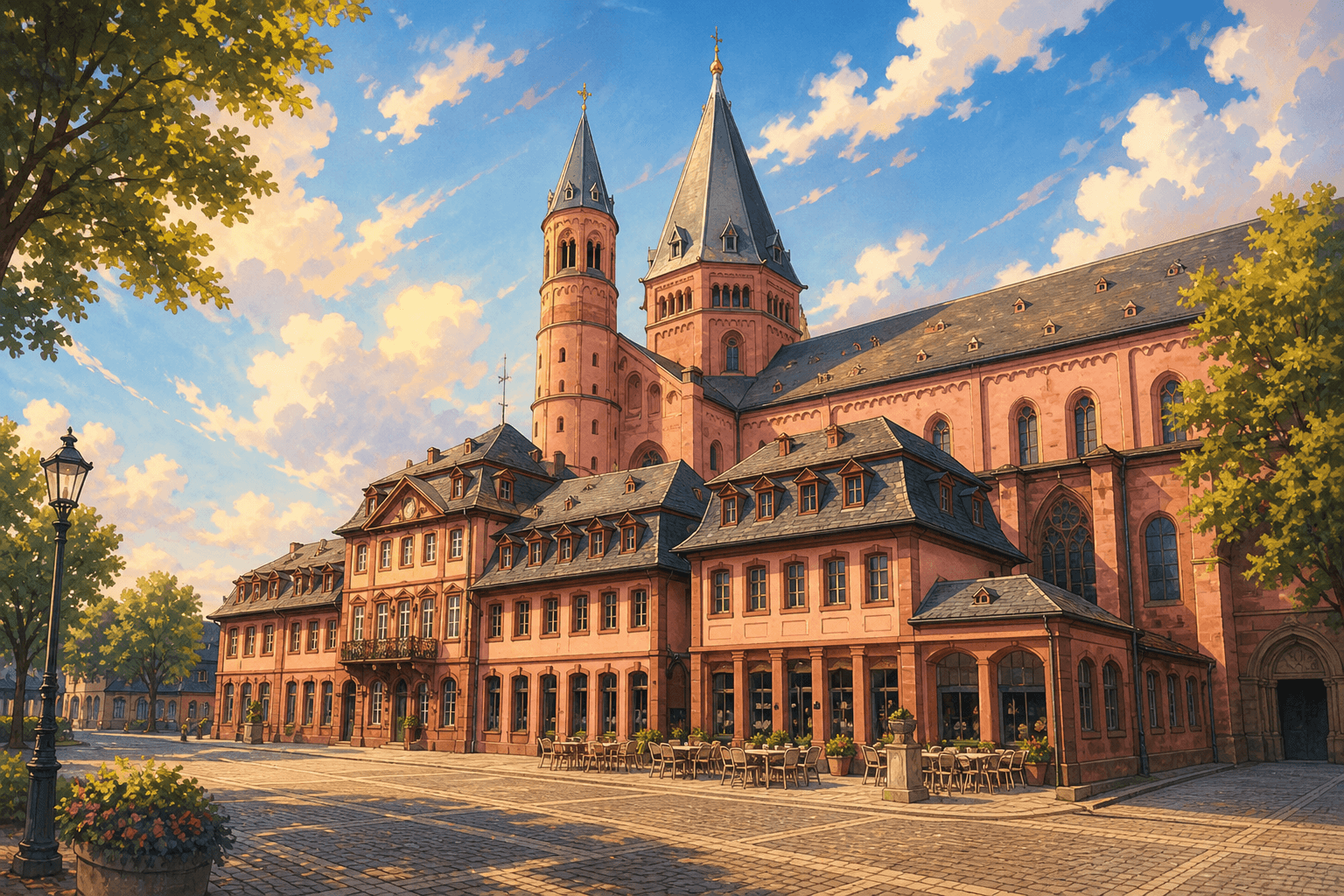
In the March 2026 session, Mainz focused on social issues, barrier-free structures, and climate adaptation. This blog analyzes the decisions, backgrounds, and implications.
Social Policy and Climate Adaptation in Mainz – March 2026
In the March 2026 session, Mainz took decisive steps toward social justice, barrier-free accessibility, and climate adaptation. The city is implementing a broad range of measures to support vulnerable population groups, promote inclusion, and prepare for the effects of climate change. These measures reflect both political priorities and social responsibility.
1. Barrier-Free Accessibility as an Inclusive and Economic Opportunity
Mainz has made a clear commitment to barrier-free accessibility this month. The amendment proposal on barrier-free accessibility was unanimously approved, focusing on general accessibility. Concrete measures include high-contrast signage, ergonomic controls, and barrier-free websites. These measures benefit not only people with disabilities but also parents with strollers, older adults, and other groups, illustrating the Curb-Cut Effect.
Collaboration with downtown associations also shows that Mainz has recognized the economic dimension of barrier-free accessibility. Small retailers receive advice and support for aids such as ramps or handrails, which not only promote inclusion but also strengthen Mainz as a tourist and economic hub.
2. Heat Action Plan: Protecting Vulnerable Groups
One of the central decisions was the unanimous approval of the Heat Action Plan "Human and Health", which is part of Mainz's Climate Adaptation Strategy. The plan aims to protect particularly vulnerable population groups such as the elderly, homeless individuals, pregnant women, and people with chronic illnesses from the effects of extreme heat.
The measures include the development of prevention concepts for weather extremes in kindergartens, schools, care facilities, and hospitals. Additionally, a communication cascade will be established to inform specific target groups about heat protection. The app "Gut versorgt in Mainz" will be expanded to include heat protection functions, and a working group will be set up to involve affected individuals in the process in a participatory manner.
The monitoring aspect is equally important: Long-term observation of heat-related morbidity and mortality will be conducted by the RKI and the State Office for Public Health to assess the success of the measures.
3. Social Integration and Refugee Policy
In refugee policy, Mainz set a milestone in March 2026 with the opening of the new accommodation at Layenhof. With 3,173 places in 16 shared accommodations and one emergency shelter, the city is well-prepared, although assignment rates remain limited. Currently, about 20 people are assigned every two weeks, mainly from Ukraine, Afghanistan, Syria, and Turkey.
The city is focusing on long-term integration that goes beyond accommodation: Social guides, language support, and integration assistance are central components of the policy. At the same time, the challenge remains to create sufficient housing and jobs to enable integration.
4. Future Security through Climate Protection and Biodiversity
Mainz is implementing a comprehensive climate protection concept that includes both adaptation to already occurring climate impacts and the prevention of further damage. The promotion of nature-based solutions, such as greening, green roofs, and the restoration of floodplain landscapes, is a central element. The city plans to manage 55,700 trees in its digital tree register and plant climate-adapted species.
In addition, a round table on outdoor drainage will be established to better manage heavy rainfall events. At the same time, the Lenneberg Forest will be focused on fire prevention, with measures such as smoking bans during dry periods and the establishment of a working group for fire prevention.
Outlook
The March 2026 session has shown that Mainz is pursuing a forward-looking, inclusive, and environmentally oriented social policy. The combination of social justice, barrier-free accessibility, and climate adaptation makes the city a model in the Rhineland-Palatinate region. In the future, it will be crucial to consistently implement, evaluate, and adjust these measures as needed. Only in this way can Mainz remain a liveable, inclusive, and climate-resilient city in the long term.
NeoSearch analyses public council documents, committee minutes and municipal announcements. Source references appear automatically once verified meeting data is available.
What does this mean for businesses?
Municipal heat planning, photovoltaics and climate measures create early project indicators. Following council decisions surfaces sites and tenders before they are publicly advertised.
Track similar decisions in your region
Set up monitoring for environment & climate in Rheinland-Pfalz — prefilled from this article.
Set up monitoring →More signals from Mainz
Housing Crisis in Mainz: Challenges, Deficits, and Strategies for 2026
The housing deficit in Mainz is continuing to rise while subsidized housing is declining. The city faces the challenge of creating affordable housing for all population groups – especially for senior citizens, single parents, and low-income households. A deep dive into the current situation, causes, and possible courses of action.
Read more → Youth Policy in Mainz: Playgrounds, Media Protection, and Youth Participation in April 2026
In April 2026, Mainz intensifies its focus on youth policy, emphasizing the modernization of playgrounds, strengthening media protection, and promoting youth participation in political bodies. The Youth Welfare Committee plays a central role in these efforts.
Read more → Mobility Development in Mainz – April 2026 in Focus
In Mainz, the administration is actively addressing the future of mobility. April 2026 brought numerous decisions regarding tram infrastructure, traffic calming, public transport improvements, and the development of green infrastructure. This blog post analyzes the most important developments and their impact on urban mobility.
Read more →