Mainz Launches Comprehensive Mobility Offensive – Pedestrian and Cycling Traffic in Focus
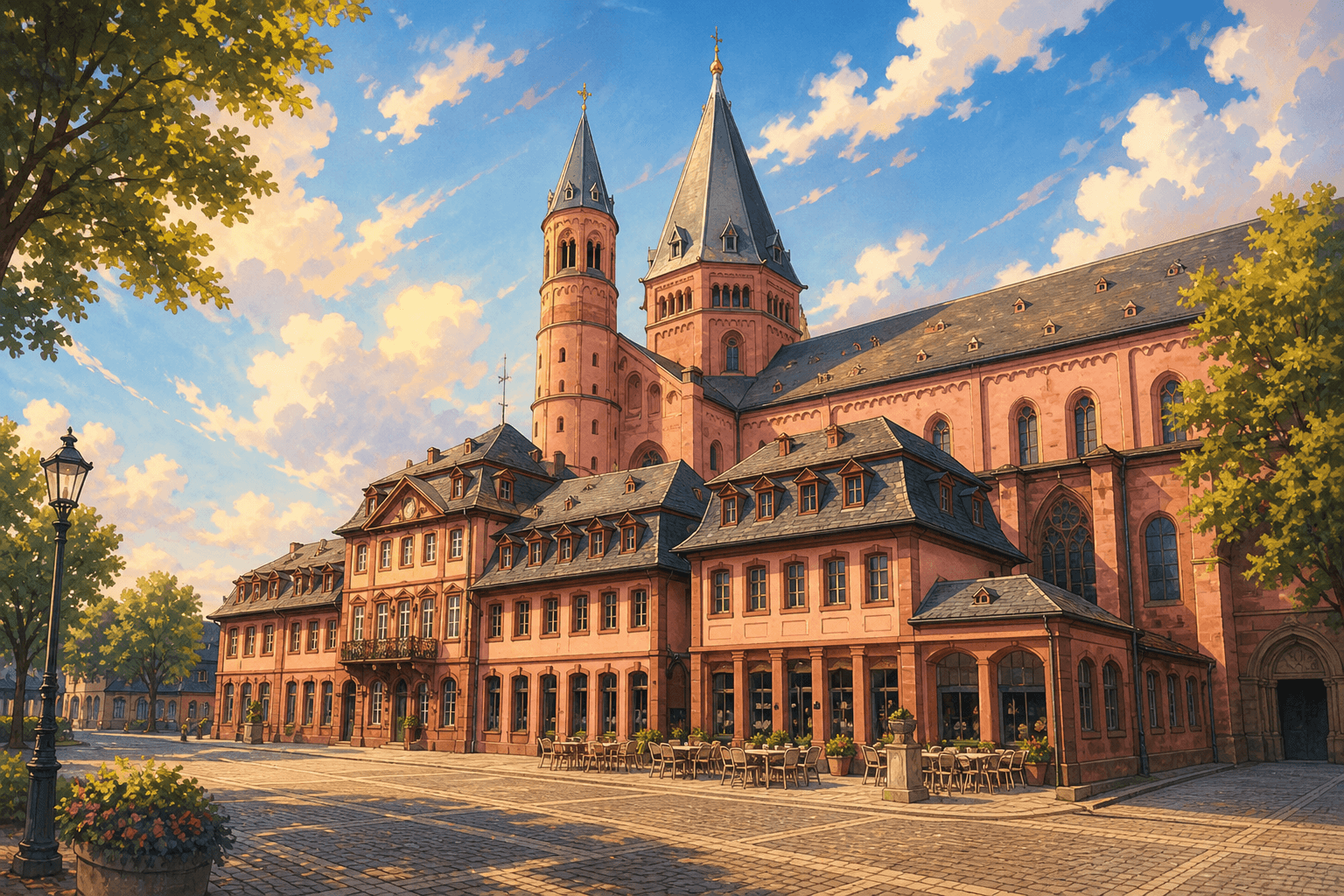
In February 2026, Mainz took decisive steps toward climate-friendly, safe, and barrier-free mobility. The Mobility Committee approved the 3x11 Goals, reinforced the Vision Zero concept, and laid the foundation for an integrated pedestrian and cycling network.
Mainz in Transition: Redefining Mobility
In 2026, Mainz is on a pivotal path to redefine the future of mobility in the region. The focus lies on a sustainable, safe, and barrier-free transportation system that meets the needs of pedestrians, cyclists, and the entire population. In February 2026, the city reached a milestone by having the 3x11 Goals for promoting pedestrian and cycling traffic adopted by the City Council. These measures are part of a broader effort to develop Mainz into a climate-neutral, vibrant, and livable city by 2035.
BYPAD Procedure Finalized – Mainz as a Model City
At the center of the February session was the BYPAD Procedure, a nationally unique quality management model that positions Mainz as a pioneer in promoting pedestrian and cycling traffic. The planning consortium PGV-Alrutz conducted 9 modules, including topics such as safety, communication, and barrier-free infrastructure. The results led to an integrated quality plan, which takes into account the interactions among different road users and defines concrete target values.
The approval in the City Council with 12 votes in favor and 2 against shows that the majority supports the project. The certification of the procedure is planned for 2026, which will allow Mainz to be recognized not only in Rhineland-Palatinate but also nationwide as a model city for sustainable mobility.
Safety and Climate Protection in the Forefront
A central goal of Mainz's mobility strategy is Vision Zero, which aims for no more fatal or serious injuries in road traffic by 2035. This objective is closely linked to the increase of pedestrian traffic to 25% by 2035, which not only contributes to the climate protection strategy but also enhances the quality of life in the city.
Accessibility is embedded as a cross-cutting task. In particular, the Rhine bridges and the cobblestone paving in the old town are the subject of thorough review. Additionally, illegal parking on sidewalks is being rigorously combated to ensure traffic safety for all.
Cycling: Expansion, Safety, and Innovation
Cycling plays a decisive role in Mainz's climate initiative. With a goal of 80% of trips by 2035 via the environmental network (pedestrian and cycling traffic, public transport), the city is focusing on comprehensive network development. Although the share of cycling has already increased from 9.5% (2008) to 25.9% (2023), the traffic performance is still below the target value of 20%.
The city plans the expansion of bike lanes and a cycling network with three network levels, including commuter routes to neighboring communities. Bike+Ride offers at transport hubs and the expansion of the bike rental system meinRad Mainz, including cargo bike rentals, should further increase the attractiveness of cycling.
For safety and winter maintenance, particular attention is paid to ARAS systems and light signal systems. In addition, the equipping of the police with an electric bike unit is planned to improve the monitoring of cycling traffic.
Monitoring and Funding – Keys to Sustainability
Another important element of Mainz's mobility strategy is the monitoring strategy. The city plans a mobility survey every 5 years and an infrastructure monitoring every 2 years. This enables continuous evaluation and adjustment of measures if necessary.
Financially, Mainz relies on an annual budget of 500,000 € for consumptive cycling traffic measures. Investment projects can be supported by state and federal funding. In addition, a new budget title for pedestrian traffic is being established, which improves transparency and planning.
Conclusion: Mainz on Course to Become a Climate-Friendly Mobility City
The decisions of Mainz's Mobility Committee show that the city has embarked on a clear path toward sustainable, safe, and barrier-free mobility. With the completion of the BYPAD procedure, the establishment of the 3x11 Goals, and the integration of Vision Zero into planning, Mainz is on its way to taking a pioneering role in the region and beyond. The coming years will show how well the strategy is implemented – and whether Mainz will indeed become a city by 2035 where everyone can move safely and in a climate-friendly manner.
NeoSearch analyses public council documents, committee minutes and municipal announcements. Source references appear automatically once verified meeting data is available.
What does this mean for businesses?
Municipal heat planning, photovoltaics and climate measures create early project indicators. Following council decisions surfaces sites and tenders before they are publicly advertised.
Track similar decisions in your region
Set up monitoring for environment & climate in Rheinland-Pfalz — prefilled from this article.
Set up monitoring →More signals from Mainz
Housing Crisis in Mainz: Challenges, Deficits, and Strategies for 2026
The housing deficit in Mainz is continuing to rise while subsidized housing is declining. The city faces the challenge of creating affordable housing for all population groups – especially for senior citizens, single parents, and low-income households. A deep dive into the current situation, causes, and possible courses of action.
Read more → Youth Policy in Mainz: Playgrounds, Media Protection, and Youth Participation in April 2026
In April 2026, Mainz intensifies its focus on youth policy, emphasizing the modernization of playgrounds, strengthening media protection, and promoting youth participation in political bodies. The Youth Welfare Committee plays a central role in these efforts.
Read more → Mobility Development in Mainz – April 2026 in Focus
In Mainz, the administration is actively addressing the future of mobility. April 2026 brought numerous decisions regarding tram infrastructure, traffic calming, public transport improvements, and the development of green infrastructure. This blog post analyzes the most important developments and their impact on urban mobility.
Read more →