Mainz in March 2026: Culture Policy in Focus – Democracy, Structure, and Cultural Diversity
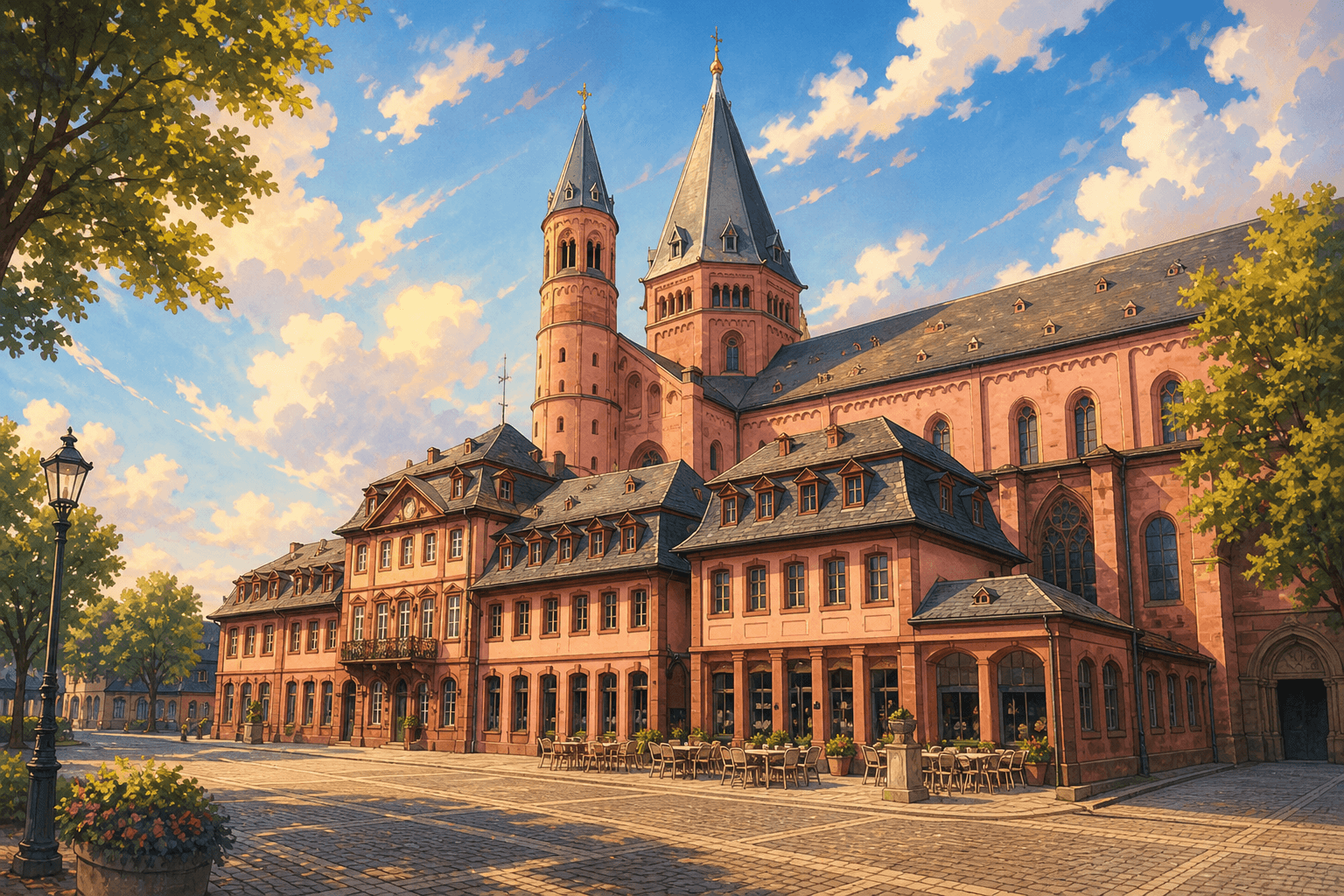
In March 2026, culture policy was in the spotlight in Mainz. The Cultural Committee discussed the future of cultural structures, the expansion of democratic work, and the support of artistic projects. A particular focus was on the federal program "Living Democracy!" and the restructuring of the city departments.
Cultural Policy Impulses in Mainz: March 2026
In March 2026, the capital city of Rhineland-Palatinate, Mainz, set significant impulses in cultural policy through several decisions and discussions. The Cultural Committee, which met on March 5 at the Große Bleiche, was not only marked by artistic diversity but also by democratic structural work and the development of municipal administration. The discussions showed how closely cultural work and social responsibility are linked in Mainz.
Federal Program "Living Democracy!": Continuation of Work
A central topic of the meeting was the continuation of work within the federal program "Living Democracy!". Mainz has applied again for funding for the period 2025–2032 and plans to remain active as a local partnership for democracy. In this context, the "House of Remembrance – For Democracy and Acceptance" will serve as a central anchor point for the work.
An application for 2026 has already been submitted and is still awaiting approval. Mainz must cover 10% (15,555.55 euros) of the costs as its share of the funding. These costs are to be partially covered by the municipal budget for 2026 and partially by funds from the "House of Remembrance" foundation.
The decision to continue the program reflects the priority Mainz places on strengthening democracy and countering the far right. At the same time, it highlights the city's dependence on federal funding and the need to develop local financing concepts – an interesting aspect of the city's current financial policy.
Restructuring of the Department Structure: Impacts on Culture and Administration
Another focus of the meeting was the discussion on the new structure of Departments VI and VIII. This administrative reform has far-reaching implications for cultural policy work. The distribution of tasks, responsibilities, and collaboration between departments are being reconsidered in order to increase efficiency and transparency.
The restructuring will be particularly relevant for cultural policy work, as it affects the coordination and planning of projects. The Cultural Committee also discussed how the reform might change cooperation with cultural actors and associations. The committee emphasized that, despite organizational adjustments, cultural diversity and civil society engagement must remain central.
Artistic Projects and Cultural Impulses: "Art in Construction" and Anniversaries
During the meeting, reports were also presented on projects from the previous year within the "Art in Construction" initiative. This initiative, which integrates artistic works into municipal construction projects, has a long tradition in Mainz and remains an important instrument for cultural policy.
Another highlight was the discussion on the anniversary of the Unterhaus – 60 years of the Mainz Forum Theatre. The theatre, which has been a cultural beacon of the city for decades, will continue to be supported and integrated into Mainz's cultural profile. Projects like these demonstrate how Mainz is committed to a lively, diverse, and accessible cultural policy.
Outlook: Cultural Policy as a Social Engine
The decisions and discussions in March 2026 show that cultural policy in Mainz is not viewed in isolation, but is understood as part of comprehensive social and democratic work. The continuation of the federal program, the administrative reform, and the support of artistic projects underline the strategic importance of culture for the city's future.
Although challenges such as funding and organizational adjustments remain, Mainz remains a place where cultural impulses are combined with social responsibility. The coming months will show whether these impulses have a lasting effect in practice – and what new projects and debates will arise from the current planning.
NeoSearch analyses public council documents, committee minutes and municipal announcements. Source references appear automatically once verified meeting data is available.
What does this mean for businesses?
Municipal council decisions are early indicators: following the council agenda surfaces projects and tenders months before the official award — before they ever reach the procurement portals.
Track similar decisions in your region
Set up monitoring for Culture and Community in Rheinland-Pfalz — prefilled from this article.
Set up monitoring →More signals from Mainz
Housing Crisis in Mainz: Challenges, Deficits, and Strategies for 2026
The housing deficit in Mainz is continuing to rise while subsidized housing is declining. The city faces the challenge of creating affordable housing for all population groups – especially for senior citizens, single parents, and low-income households. A deep dive into the current situation, causes, and possible courses of action.
Read more → Youth Policy in Mainz: Playgrounds, Media Protection, and Youth Participation in April 2026
In April 2026, Mainz intensifies its focus on youth policy, emphasizing the modernization of playgrounds, strengthening media protection, and promoting youth participation in political bodies. The Youth Welfare Committee plays a central role in these efforts.
Read more → Mobility Development in Mainz – April 2026 in Focus
In Mainz, the administration is actively addressing the future of mobility. April 2026 brought numerous decisions regarding tram infrastructure, traffic calming, public transport improvements, and the development of green infrastructure. This blog post analyzes the most important developments and their impact on urban mobility.
Read more →