Mainz in Focus: Social Affairs and Housing Policy in February 2026
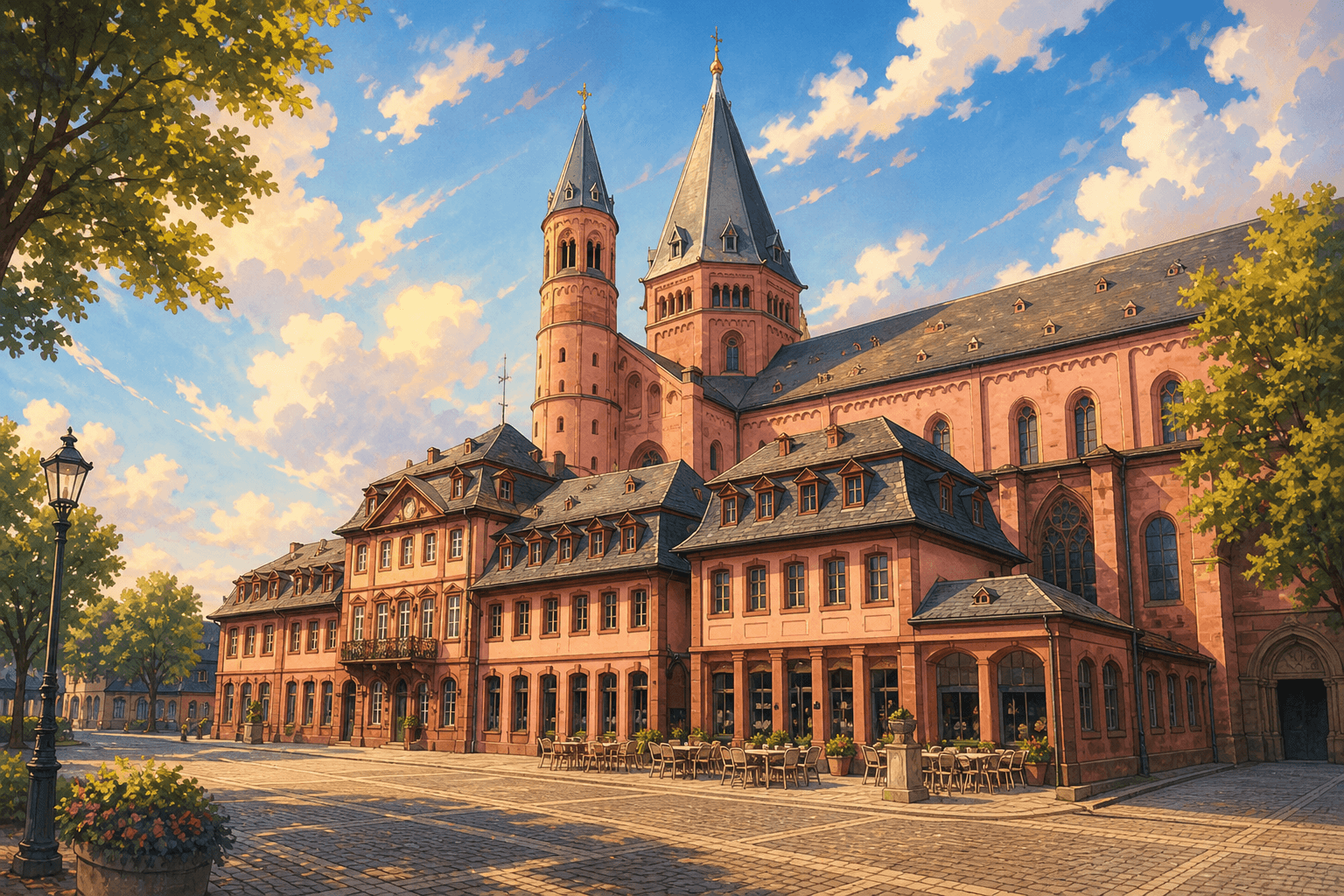
February 2026 was marked in Mainz by intense discussions and concrete political decisions in the areas of social affairs, housing, and climate adaptation. In this blog post, we highlight the most important developments and their implications.
Social Security and Climate Change: How Mainz is Responding to Challenges
In February 2026, social and climatic challenges took center stage in Mainz. In recent years, the city has increasingly focused on adapting to climate change and ensuring the security of vulnerable social groups – and this commitment continued in February 2026. With a focus on vulnerable population groups, such as the elderly, the homeless, and children, concrete measures were discussed and decided.
Heat Protection: From Kindergartens to Climate Adaptation Strategy
The heat in Mainz is not an isolated phenomenon, but part of a broader climate development process. The February 2026 meetings clearly showed that the city of Mainz is pursuing a comprehensive heat protection strategy. Special attention is given to kindergartens and vulnerable population groups.
- Kindergartens: Regular temperature checks and the establishment of cooling rooms are standard. A working group is developing guidelines, and annual information emails provide tips for reorganization.
- Vulnerable Groups: Portable cooling devices are lent to those in need, and a heat register for socially isolated persons is being expanded.
- Public Space: QR codes at bus stops provide heat protection information, and the ReFill campaign is being expanded. Shaded areas with water supply for the homeless are planned.
These measures are part of the municipal heat action plan, which was adopted in September 2022. The cooperation with state authorities and other municipalities, such as Wiesbaden, underlines the need for regional networking.
Senior Policy and Crisis Preparedness: The Blackout Plan
In February 2026, an important topic in senior policy was also addressed: preparedness for blackout scenarios. The Senior Advisory Council requested a concrete deployment and supply concept for multi-day power outages. Seniors are considered a particularly vulnerable group, and the discussion revealed deficiencies in current preparedness.
- Update: The last update to the blackout concept was already several years ago.
- Medical Care: There is a lack of clear provisions for medical care in such crisis situations.
- Communication: A particular problem is communication with seniors who do not have access to digital media. Solutions such as target-group-specific brochures in plain language and multiple languages have been discussed.
The city plans to establish a network of volunteer heat mentors and senior mentors to improve support in crisis situations.
Housing and Accessibility: A City for Everyone
Discussions on housing and accessibility have a high priority in Mainz. In February 2026, topics such as underutilized housing, potential for repurposing, and barrier-free design were intensively addressed.
- Underutilized Housing: The city is inquiring about available housing capacity and possible repurposing, especially in the city center.
- Barrier-Free Living: Efforts are being made to design housing in a barrier-free manner for seniors and people with limited mobility.
- Investments: The city plans investments in greening, insulation, and light-colored façade colors to improve thermal protection in public buildings.
These measures are not only part of the climate adaptation strategy but also a step toward creating an inclusive city.
Outlook: Mainz as a Model for Social and Climate Resilience
Mainz has achieved a lot in recent years – and the pace of political implementation has accelerated in February 2026. The city shows that social security and climate protection are not opposites, but rather reinforce each other. By focusing on vulnerable groups, crisis preparedness, and sustainable housing design, Mainz sets an important example.
In the future, it will be important to consistently implement the measures, ensure funding, and adjust staffing plans. Mainz must also continue to rely on cooperation – with residents, NGOs, businesses, and neighboring municipalities. Only together can the city overcome the challenges of climate change and social inequality.
NeoSearch analyses public council documents, committee minutes and municipal announcements. Source references appear automatically once verified meeting data is available.
What does this mean for businesses?
Municipal council decisions are early indicators: following the council agenda surfaces projects and tenders months before the official award — before they ever reach the procurement portals.
Track similar decisions in your region
Set up monitoring for kommunale Projekte in Rheinland-Pfalz — prefilled from this article.
Set up monitoring →More signals from Mainz
Housing Crisis in Mainz: Challenges, Deficits, and Strategies for 2026
The housing deficit in Mainz is continuing to rise while subsidized housing is declining. The city faces the challenge of creating affordable housing for all population groups – especially for senior citizens, single parents, and low-income households. A deep dive into the current situation, causes, and possible courses of action.
Read more → Youth Policy in Mainz: Playgrounds, Media Protection, and Youth Participation in April 2026
In April 2026, Mainz intensifies its focus on youth policy, emphasizing the modernization of playgrounds, strengthening media protection, and promoting youth participation in political bodies. The Youth Welfare Committee plays a central role in these efforts.
Read more → Mobility Development in Mainz – April 2026 in Focus
In Mainz, the administration is actively addressing the future of mobility. April 2026 brought numerous decisions regarding tram infrastructure, traffic calming, public transport improvements, and the development of green infrastructure. This blog post analyzes the most important developments and their impact on urban mobility.
Read more →