Youth in Mainz: Temporary Playground Substitute for More Freedom of Movement
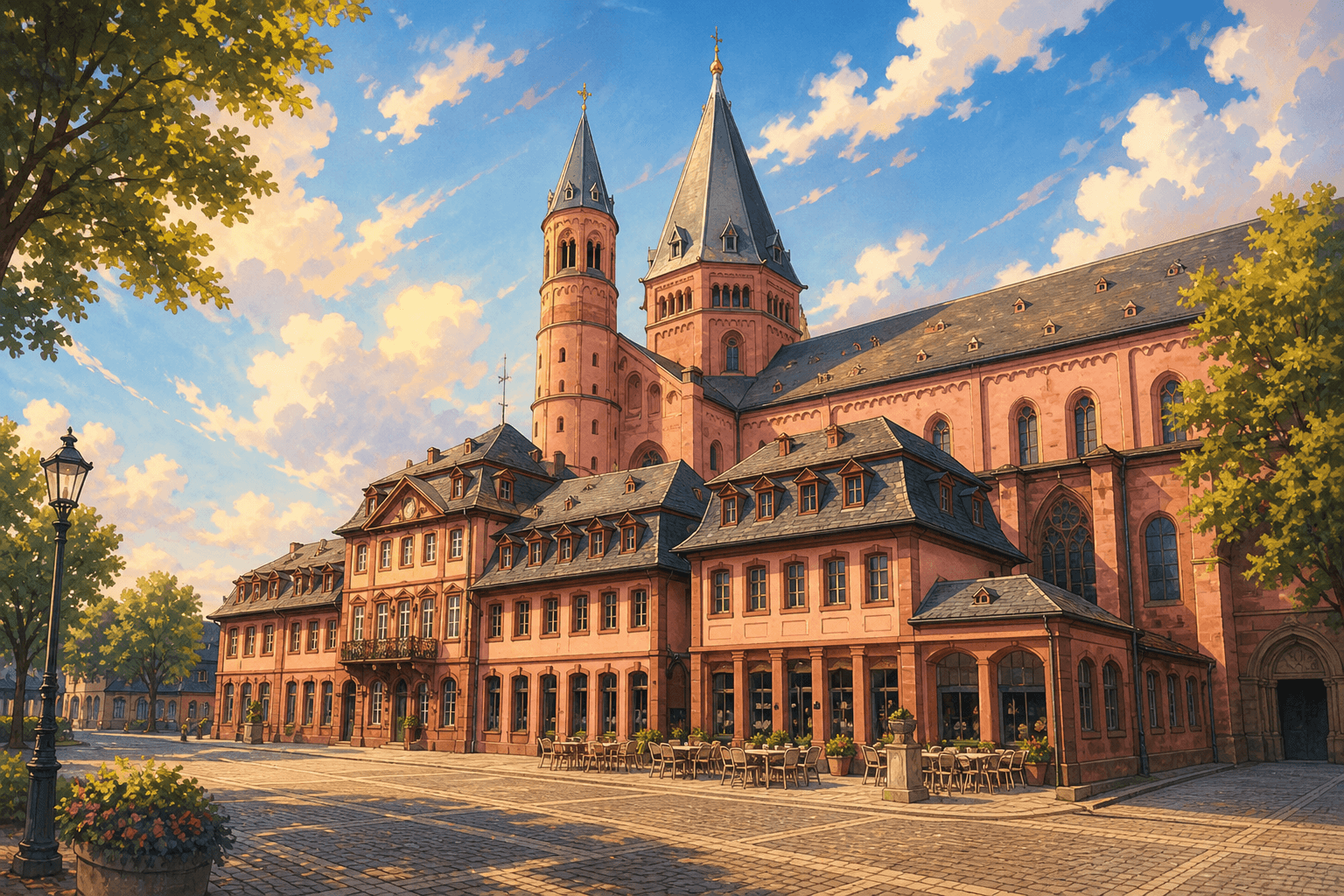
In February 2026, Mainz focused intensively on the temporary use of a green space as a substitute playground – a topic that connects youth, educational policy, and urban resources. We analyze the background, decision-making processes, and the impacts of this measure.
Playground Substitute: A Transitional Solution for More Movement and Safety
In Mainz, the safety and freedom of movement of students during construction projects and interim solutions have become central issues. In February 2026, the Youth Welfare Committee decided on the temporary use of the public green space "Am Lemmchen/Alter Friedhof" as a substitute playground. The measure affects three schools at one location – the primary school, the Realschule plus, and the Gymnasium Mainz-Mombach – which are currently operating in various interim solutions. This decision is part of a larger planning process that will continue until the end of 2029.
Background: Construction Projects and the Need for Open Spaces
The use of the green space as a substitute playground emerges against the backdrop of a long-term construction dialogue. The Gymnasium is currently operating in a container school, while the primary school and Realschule plus remain in existing buildings. With the densification of existing buildings and the implementation of further interim solutions, concerns regarding the capacity of the existing playground have arisen.
The school authority has set clear guidelines: every densification must be accompanied by the creation of additional outdoor areas. This approach reflects the understanding that movement and open space are essential for the development of young people.
Impacts: Safety, Planning, and Sustainability
The temporary use of the green space is not simply a "stopgap measure," but a consciously planned project with several steps. The use is limited to school hours, and a protection and care concept will be implemented to ensure both the safety of the students and the protection of the vegetation.
Additionally, it is planned to restore and enhance the area after its educational use – for example, by installing new play equipment and seating areas. At the same time, it is being examined whether further public green spaces can be compensated for through this measure.
This approach shows that Mainz is not only reacting in the short term but also considering long-term impacts – striking a balance between necessity and responsibility.
Looking Ahead: Youth Policy in the Urban Space
The decision to use a substitute playground is another step in Mainz's emerging youth policy, which is increasingly focusing on the physical and psychological needs of young people. The use of public spaces for educational purposes is not new, but the structured planning and clear temporal boundaries make this project unique.
In the future, this could serve as a model for other districts or schools in similar situations. It remains to be seen whether the experiences from Mainz can be transferred to other cities and whether the compensatory measures will actually lead to the enhancement of further green spaces.
Overall, it becomes clear: youth policy in Mainz is not only a topic for committees and administration, but a central part of urban planning, with safety, movement, and sustainability at the forefront.
NeoSearch analyses public council documents, committee minutes and municipal announcements. Source references appear automatically once verified meeting data is available.
What does this mean for businesses?
Schools, daycare centres and public buildings create early planning and construction opportunities. Following council agendas surfaces tenders for refurbishment, new builds and fit-out months before the official award — from shell construction to specialist planning to furnishing.
Track similar decisions in your region
Set up monitoring for education & public facilities in Rheinland-Pfalz — prefilled from this article.
Set up monitoring →More signals from Mainz
Housing Crisis in Mainz: Challenges, Deficits, and Strategies for 2026
The housing deficit in Mainz is continuing to rise while subsidized housing is declining. The city faces the challenge of creating affordable housing for all population groups – especially for senior citizens, single parents, and low-income households. A deep dive into the current situation, causes, and possible courses of action.
Read more → Youth Policy in Mainz: Playgrounds, Media Protection, and Youth Participation in April 2026
In April 2026, Mainz intensifies its focus on youth policy, emphasizing the modernization of playgrounds, strengthening media protection, and promoting youth participation in political bodies. The Youth Welfare Committee plays a central role in these efforts.
Read more → Mobility Development in Mainz – April 2026 in Focus
In Mainz, the administration is actively addressing the future of mobility. April 2026 brought numerous decisions regarding tram infrastructure, traffic calming, public transport improvements, and the development of green infrastructure. This blog post analyzes the most important developments and their impact on urban mobility.
Read more →