Governance in Mainz: Structural Changes, Budget Decisions, and Future Outlook
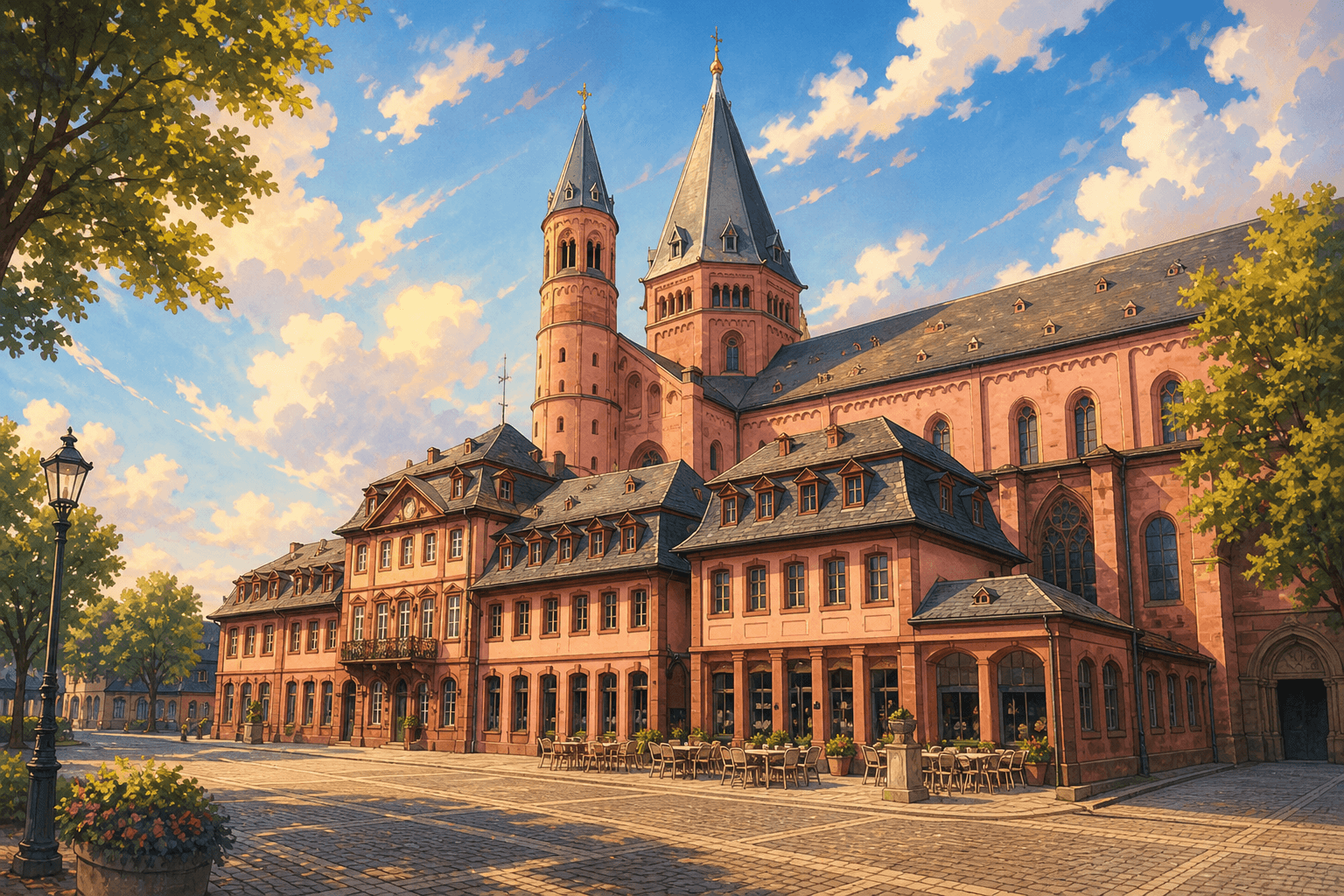
In February 2026, the city of Mainz dealt intensively with governance and administrative issues. From the budget through security concepts to committee reforms – an overview of the most important decisions, backgrounds, and implications.
Governance and Administration in Mainz: Structural Decisions in February 2026
The city of Mainz addressed questions of governance and administrative structure in several central meetings in February 2026. From the budget through security concepts to committee reforms – the decisions have both practical and symbolic significance.
Budget and Fiscal Policy: Consolidation and Investment
In February, Mainz administration faced the challenge of further consolidating the 2026 budget while also advancing urgent investments in infrastructure and security.
The updated fee regulation for general administrative actions was unanimously approved. This adjustment was based on the state ordinance and included two separate exemptions: tax office certifications and enforcement of the regulation against misuse of properties.
Another focal point was the funding allocation for the project "Connection between the Roman Theater Station and the Upper Town." A total of 790,681 euros was unanimously approved to improve the link between historical and modern Mainz. This project is an example of an investment with both cultural and infrastructural significance.
The introduction of a budget consolidation commission was also debated. The FDP's proposal to establish such a commission on a permanent basis was rejected. Critics pointed to the previous experiences with irregular meetings and a lack of transparency.
Committee Structure: Modernization and Transparency
In the area of committee structure, an adjustment to the rules of procedure was approved. In particular, the limitation of speaking time for factions with eleven members to five minutes received broad support. This measure aims to increase the efficiency of meetings while simultaneously improving transparency.
The appointment to committees and boards was another central issue. Personnel decisions were also made, particularly in sensitive areas such as the Youth Welfare Committee and the Finance Committee. Mainz is thus implementing continuous personnel and structural adjustments to account for demographic and political changes.
Safety in the City Center: The Kaiserstraße Concept
Another central topic was safety in the Kaiserstraße. The city council decided that the administration should develop and implement a cross-departmental security concept. The measures include increased police and order presence, checks against drug dealing and aggression, and urban planning improvements.
A round table with police, the office of public order, social work, residents, and business owners was established as a permanent coordination format. Semi-annual reports on the security situation and the effectiveness of the measures are mandatory. This approach underscores Mainz's willingness to address safety issues not in isolation but in dialogue with those affected.
Housing Policy and Homelessness Support: Shelter Spaces and Cooperation
In the area of housing policy, the creation of accommodation and shelter spaces for homeless people was decided. Proposals include the use of city-owned buildings, an accommodation space at the central train station, as well as cold and heat buses. The administration was also asked to evaluate premises with church communities and social organizations and to inquire about concepts from other cities.
These decisions show that Mainz is not only relying on short-term solutions but also building long-term structures to support homeless people. In this context, the cooperation with church and social actors is particularly noteworthy.
Governance and Ethics: Volunteer Work and Human Rights
In addition to the concrete administrative issues, ethical and political topics were also on the agenda. A resolution on the protection of volunteer work was unanimously passed. The resolution calls for the protection of volunteers from threats and intimidation. This is an important signal for the stability of democratic structures in Mainz.
In addition, solidarity with the Iranian civilian population was expressed. The city council reaffirmed its commitment to the values of freedom, human dignity, and the rule of law – a position that is particularly relevant in a time of global tensions.
Outlook: Digitalization and Citizen Participation
Another central topic was the digitalization of the administration. A pilot project on "Use-case-based Data Governance" was approved to make data management more transparent and efficient. This project is part of Mainz's long-term strategy to put digital transformation at the service of citizens.
Citizen participation also came into focus. It was emphasized that communication processes between citizens and the administration must be improved. Mainz plans to create more transparency and inclusive task distribution in the future.
Conclusion: Governance as a Central Building Block of Urban Development
The decisions in February 2026 show that Mainz is on a course of structural development. The city is relying on clear governance structures, transparent fiscal policy, security concepts, and ethical fundamentals. At the same time, Mainz remains open to innovations, whether in digitalization or in citizen participation.
In 2026, it will become clear whether this governance strategy can be sustainably implemented – and whether Mainz can serve as a model for other cities in Germany.
NeoSearch analyses public council documents, committee minutes and municipal announcements. Source references appear automatically once verified meeting data is available.
What does this mean for businesses?
Town halls, fire stations, depots and administrative buildings create early construction and refurbishment opportunities. Following council agendas reveals projects before they go to tender.
Track similar decisions in your region
Set up monitoring for public buildings & administration in Rheinland-Pfalz — prefilled from this article.
Set up monitoring →More signals from Mainz
Housing Crisis in Mainz: Challenges, Deficits, and Strategies for 2026
The housing deficit in Mainz is continuing to rise while subsidized housing is declining. The city faces the challenge of creating affordable housing for all population groups – especially for senior citizens, single parents, and low-income households. A deep dive into the current situation, causes, and possible courses of action.
Read more → Youth Policy in Mainz: Playgrounds, Media Protection, and Youth Participation in April 2026
In April 2026, Mainz intensifies its focus on youth policy, emphasizing the modernization of playgrounds, strengthening media protection, and promoting youth participation in political bodies. The Youth Welfare Committee plays a central role in these efforts.
Read more → Mobility Development in Mainz – April 2026 in Focus
In Mainz, the administration is actively addressing the future of mobility. April 2026 brought numerous decisions regarding tram infrastructure, traffic calming, public transport improvements, and the development of green infrastructure. This blog post analyzes the most important developments and their impact on urban mobility.
Read more →