Ludwigshafen: Environmental and Climate Policy in April 2026 – From Peatland Restoration to Textile Collection
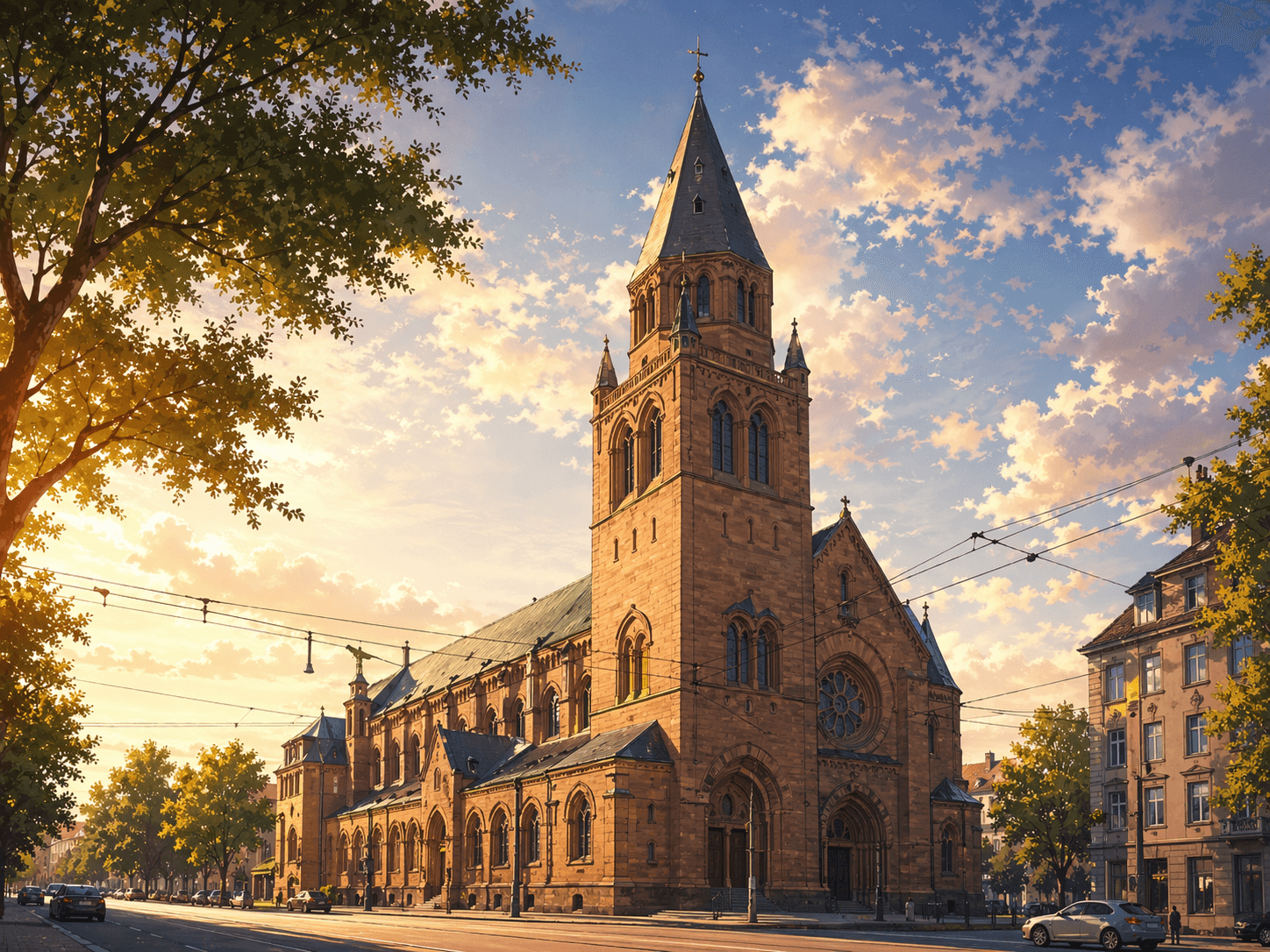
In April 2026, Ludwigshafen focused on numerous decisions in the field of environmental and climate policy. The Environmental Committee discussed topics such as peatland restoration, greening regulations, tree planting, and new rules for textile collection. We take a look at the most important developments.
Environmental and Climate Policy in Ludwigshafen: Expansion of Ecological Measures in April 2026
The city of Ludwigshafen has increasingly committed to sustainable environmental and climate policy in recent years. In April 2026, the Environmental Committee thoroughly addressed issues related to climate protection, landscape management, greening, and waste management. Particularly noteworthy were the discussions on peatland restoration in the Maudacher Bruch, the revision of the textile collection regulations, and the introduction of a greening ordinance.
Peatland Restoration and Landscape Planning as Climate Protection Measures
The restoration of the Maudacher Bruch was one of the central topics in April. Peatlands are important carbon sinks and significantly contribute to climate accounting. Ludwigshafen is pursuing long-term ecological projects here that not only strengthen local biodiversity goals but also actively advance climate protection.
The presentations showed the current status of the project as well as long-term plans. Additionally, discussions took place on the proposed protection of the "In der Marlach" area, which also fits into the context of landscape planning. These measures reflect the city's strategic orientation to protect ecologically valuable areas and simultaneously increase climate resilience.
Greening Ordinance: Binding Requirements for Private Developers
Another focal point was the presentation of the draft "Greening and Design Ordinance." The goal is to improve the quality of open space design in Ludwigshafen, especially in private construction projects. The ordinance requires developers to submit open space plans in accordance with the given guidelines and sets clear rules for roof and façade greening.
The ordinance is not only a response to local needs but also an adaptation to European requirements, particularly the EU Regulation on the Restoration of Nature. It aims to ensure that construction developments and ecological requirements are brought into harmony – a balance that is difficult to maintain in many cities.
Textile Collection: New Regulations and Challenges
The waste management ordinance was comprehensively revised in April to regulate the collection of old textiles. After the private textile collection system collapsed, action was required. Ludwigshafen is now implementing a collection system and plans to start street-side textile collection and pilot actions at major squares from autumn 2026.
The goal is to dispose of old textiles in a technically sound and environmentally friendly manner. The changes to the waste management ordinance came into effect on May 15, 2026, and enable the Ludwigshafen Economic Enterprise (WBL) to legally collect old textiles. In addition, the manufacturer responsibility under EU regulation from 2027/2028 is expected to further professionalize the collection and recycling of textiles.
Tree Planting and Responsibilities: Clarity in the City Park
Concrete measures were also in focus regarding open space design. The Environmental Committee discussed planned tree plantings throughout the city, particularly in the individual districts. In addition, inquiries from the CDU City Council faction were addressed, asking about the status of the "Balcony Power Plants" funding program.
Another topic was the distribution of responsibilities in the City Park, especially in the riverfront area. There are still uncertainties that the interest group IG Stadtpark has critically pointed out. Clear responsibilities and contact persons are necessary to ensure the sustainable maintenance and development of the City Park.
Outlook: Sustainability as a Central Priority in City Politics
The decisions of April 2026 show that Ludwigshafen is consistently pursuing its climate and environmental goals. The peatland restoration, the greening ordinance, and the new regulations for textile collection mark important milestones on the way to climate-friendly urban development. Moreover, it becomes evident that continuous improvement is also being pursued in open space design and waste management.
In the coming months, it will be particularly interesting to observe how the new textile collection regulations work in practice and whether the greening ordinance will actually lead to sustainable development of the city's open spaces.
NeoSearch analyses public council documents, committee minutes and municipal announcements. Source references appear automatically once verified meeting data is available.
What does this mean for businesses?
Municipal heat planning, photovoltaics and climate measures create early project indicators. Following council decisions surfaces sites and tenders before they are publicly advertised.
Track similar decisions in your region
Set up monitoring for environment & climate in Rheinland-Pfalz — prefilled from this article.
Set up monitoring →More signals from Ludwigshafen
Ludwigshafen: Economic Takeoff – Focus on Infrastructure, Sustainability, and Occupational Safety
In April 2026, Ludwigshafen implemented decisive measures in the field of economic development. The Ludwigshafen Economic Enterprise (WBL) approved investments in renovation projects, workwear, and tree care. These measures show a clear focus on sustainability, infrastructure, and occupational safety.
Read more → Ludwigshafen in April 2026: Urban Development and Construction in Focus
In April 2026, Ludwigshafen sees numerous construction projects, traffic planning initiatives, and urban development efforts sparking debate. An overview of the most significant developments in the areas of urban development and construction.
Read more → Ludwigshafen Sports Committee: Decisions and Debates in April 2026
In April 2026, the Ludwigshafen Sports Committee focused on important decisions regarding the support of sports clubs, structural improvements in public swimming pools, and the reintroduction of sports honors. An overview.
Read more →