Ludwigshafen: Governance and Administration in March 2026 – From Civic Engagement to Traffic Planning
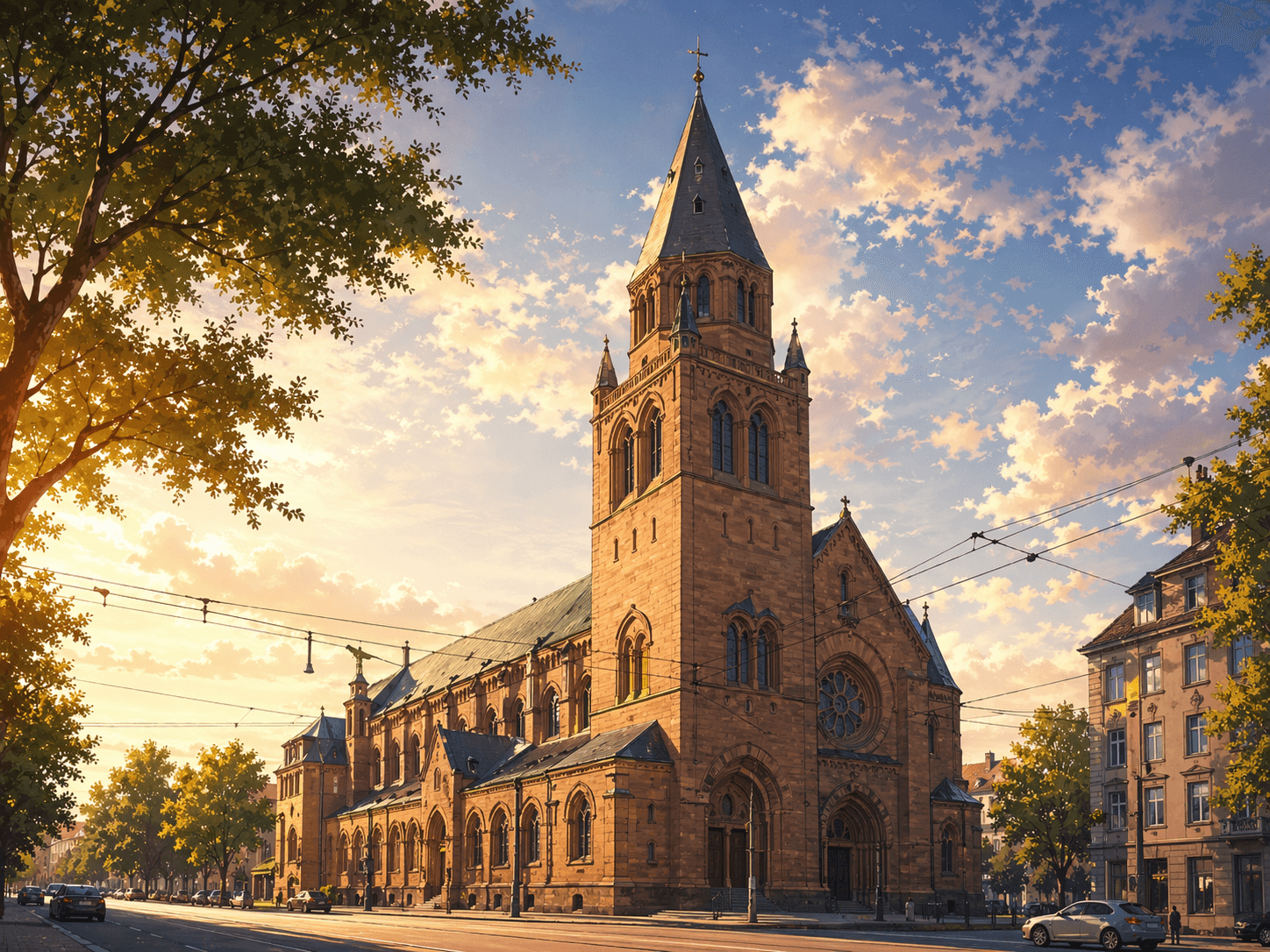
This month, numerous topics were at the center of the local council meetings in Ludwigshafen. The discussions highlighted how closely governance and administration are connected to the everyday realities of citizens – from traffic planning and urban safety to education and digitalization.
Citizen-Oriented Governance in Ludwigshafen: A Monthly Review
In March 2026, the local councils in Ludwigshafen engaged intensively with municipal political topics. The discussions reflected the wide range of challenges a modern administration faces. Particularly notable was how strongly the concerns of citizens were integrated into the political agenda – from the submission of applications for barrier-free traffic concepts to the planning of safety measures in bustling city districts.
Traffic Planning: From Accessibility to Parking Shortages
Traffic planning was a central topic at several meetings. The SPD local council faction succeeded in pushing through proposals for barrier-free renovations at intersections such as Kaiser-Wilhelm-Straße/Berliner Straße. Furthermore, the proposal for a stop of bus line 75 on Bürgermeister-Kutterer-Straße was accepted. These measures reflect the city's focus on inclusivity and mobility.
At the same time, parking shortages remained an issue. A construction fence was erected in the Hochstraße Süd area, highlighting the need for clearer decisions in traffic planning. In addition, the CDU local council faction criticized the lack of transparency in the planning of the bicycle path Maudach-Oggersheim. Clearly, stronger dialogue between the administration and civic initiatives is required here.
Safety and Order: Citizens' Rights in Focus
The security situation in Ludwigshafen was also a central concern. The reintroduction of the alcohol and glass ban at Berliner Platz by the CDU clearly emphasized public order. In addition, a proposal for increased controls against illegal parking on Wredestraße was submitted. These measures show how strongly safety in the districts is linked to the perception of quality of life.
The success rate of the so-called "Müllsheriffs" (waste officers) was also discussed, indicating the importance of civic engagement. In addition, noise pollution at Berliner Platz was identified as a problem – here, the administration not only faces a technical challenge but also a communicative one.
Education and Infrastructure: Investment as a Security for the Future
In education policy, particular attention was paid to the fire safety of childcare facilities. The CDU local council faction inquired about the results of a fire safety inspection at the Kita Ruchheim, while the GREEN local council members criticized waiting lists and mold problems at schools. These topics show how crucial the quality of infrastructure is for the city's future viability.
Another central topic was digitalization. The SPD local council faction asked about the installation of a projector at the senior center of the Gemeinschaftshaus – an example of how the administration must also respond to technological progress in smaller projects to remain inclusive.
Governance and Civic Participation: Challenges and Opportunities
The local council meetings showed how important functional governance is to manage the wide range of topics. The CDU/FWG criticized recurring standard responses from the administration and called for stronger inclusion in decision-making processes. This criticism underlines the need for a transparent, communicative administration that does not only rely on bureaucratic routine, but also responds to the specific needs of citizens.
In addition, it became clear that the citizens' question time plays an important role. Here, topics such as the condition of the bicycle path or medical care could be directly addressed. The local council chairpersons also informed about upcoming events such as the Kerwe or the Schlossfest – another sign of the importance of transparency and citizen engagement.
Outlook: What's Next for Governance in Ludwigshafen?
The monthly review shows that Ludwigshafen is on the way to establishing a more citizen-friendly, transparent, and inclusive governance. However, the challenges remain significant: from traffic planning and safety to digitalization. Communication between administration, politics, and civil society plays a key role in this.
In the coming months, it will depend on how well the administration is able to take up the concerns of citizens and implement them into concrete measures. In addition, the technical equipment of the administration – for example, through software such as "Sitzungsdienst Session" – is another topic that is crucial for the efficiency and comprehensibility of decision-making processes.
NeoSearch analyses public council documents, committee minutes and municipal announcements. Source references appear automatically once verified meeting data is available.
What does this mean for businesses?
Town halls, fire stations, depots and administrative buildings create early construction and refurbishment opportunities. Following council agendas reveals projects before they go to tender.
Track similar decisions in your region
Set up monitoring for public buildings & administration in Rheinland-Pfalz — prefilled from this article.
Set up monitoring →More signals from Ludwigshafen
Ludwigshafen: Economic Takeoff – Focus on Infrastructure, Sustainability, and Occupational Safety
In April 2026, Ludwigshafen implemented decisive measures in the field of economic development. The Ludwigshafen Economic Enterprise (WBL) approved investments in renovation projects, workwear, and tree care. These measures show a clear focus on sustainability, infrastructure, and occupational safety.
Read more → Ludwigshafen in April 2026: Urban Development and Construction in Focus
In April 2026, Ludwigshafen sees numerous construction projects, traffic planning initiatives, and urban development efforts sparking debate. An overview of the most significant developments in the areas of urban development and construction.
Read more → Ludwigshafen Sports Committee: Decisions and Debates in April 2026
In April 2026, the Ludwigshafen Sports Committee focused on important decisions regarding the support of sports clubs, structural improvements in public swimming pools, and the reintroduction of sports honors. An overview.
Read more →