Ludwigshafen: Focus on Urban Development and Construction Policy in February 2026
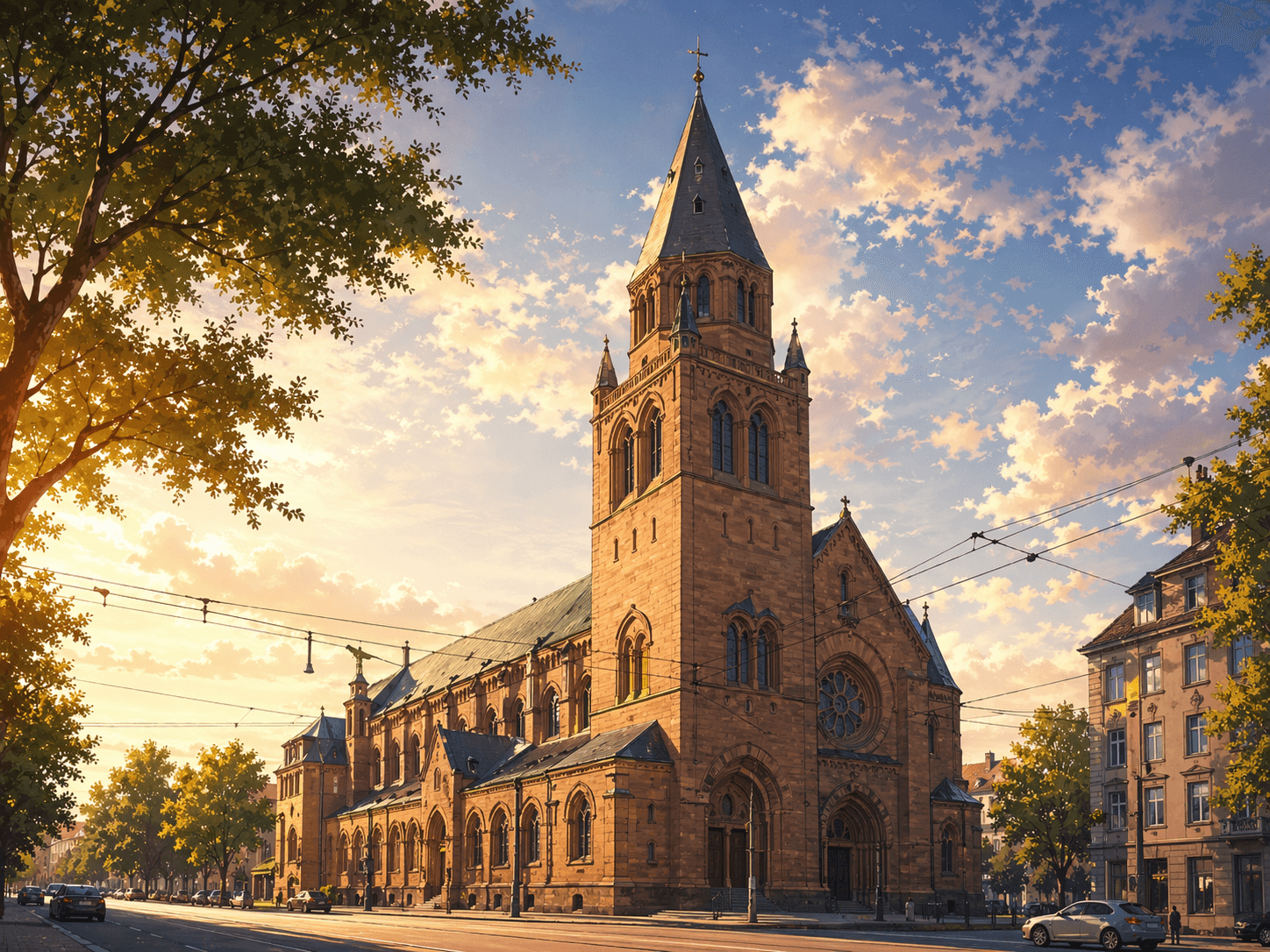
In February 2026, Ludwigshafen placed a clear focus on urban development and construction policy. Numerous decisions and initiatives were made that will shape the city’s future development. From the renovation of housing to the "Bau-Turbo" initiative and sewer construction measures, the month was marked by concrete steps toward a sustainable and livable city.
Urban Development and Construction Policy in Ludwigshafen: Decisions in February 2026
In February 2026, Ludwigshafen operated under the motto "Building Blocks for the Future." Numerous decisions made in the Committee for Construction and Land and in the Works Committee of the Ludwigshafen Municipal Utilities (WBL) laid the foundation for forward-looking urban development projects. The topics ranged from the renovation of housing to traffic planning and climate protection measures. Below is an overview of the most important decisions and developments.
1. The "Bau-Turbo" and the Acceleration of Housing Construction
One of the central topics in February was the so-called "Bau-Turbo," a program designed to accelerate housing construction and ensure housing availability. The City Council passed a resolution on the future framework for applying this instrument, which aims to expedite the processing of building applications and approval procedures.
Discussions also arose from specific inquiries by the FWG Council Group, which critically observed the condition of municipal buildings and the implementation of the "Bau-Turbo" legislation. The administration emphasized that Ludwigshafen intends to actively participate in the federal program in order to combat the housing shortage.
2. Renovation and Construction Projects in the City Center
The renovation of housing and urban areas was another central topic. The renovation and redesign of the former refuse tip at Alte Weinstraße was approved. This measure aims to transform previously unused land into livable spaces.
Additionally, 32 apartments at Kropsburgstraße 7, 9, and 13 were renovated, seen as a contribution to securing affordable housing. Construction of the first section of tram line 10 along Hohenzollernstraße began, seen as a boost to public transportation and a relief for the city center.
3. Climate Protection and Green Infrastructure
Another important topic was the renewal of green infrastructure. A decision was made to replace 13 traffic-unsafe poplar trees between the Friedrich-Ebert-Halle parking lot and Ebertstraße with columnar oaks. The initiative is supported by the KfW funding program "Natural Climate Protection in Municipalities" and aims to contribute to climate resilience.
Furthermore, the amendment to the regulation on the cleaning of public streets was passed, redefining the cleaning obligations for property owners. These changes, which will take effect on May 1, 2026, aim to ensure the city's cleanliness in a sustainable manner and to strengthen the responsibility of property owners.
4. Infrastructure and Sewer Construction
Another key project was the sewer renewal in Spatenstraße. The approval for the measures was increased by 318,000 EUR to a total of 1.6 million EUR, as unforeseen conditions such as the suspicion of unexploded ordnance and additional safety measures arose during construction. The cost development also reflects the general trend in construction costs, which increased by an average of 4.1% annually between 2023 and 2026.
The renewal of the 300 DN sewage pipe, originally built in 1931, is a central component of the city's future infrastructure. The project was carried out using open construction methods and is classified as urgent under §99 of the Municipal Code.
Outlook: Ludwigshafen on the Way to a Livable City
February 2026 has shown that Ludwigshafen is actively investing in the future. With the "Bau-Turbo" program, the renovation of housing, and the modernization of infrastructure, the city is setting clear priorities. At the same time, green infrastructure is being strengthened to address climate challenges.
The coming months will show how these measures specifically affect the cityscape and the lives of its residents. But already now it is evident that Ludwigshafen is not only reacting, but actively shaping the future – for a livable, sustainable, and modern city.
NeoSearch analyses public council documents, committee minutes and municipal announcements. Source references appear automatically once verified meeting data is available.
What does this mean for businesses?
Urban development, zoning plans and commercial settlements create early construction and supply opportunities. Following council decisions reveals projects before they go to tender.
Track similar decisions in your region
Set up monitoring for economic development in Rheinland-Pfalz — prefilled from this article.
Set up monitoring →More signals from Ludwigshafen
Ludwigshafen: Economic Takeoff – Focus on Infrastructure, Sustainability, and Occupational Safety
In April 2026, Ludwigshafen implemented decisive measures in the field of economic development. The Ludwigshafen Economic Enterprise (WBL) approved investments in renovation projects, workwear, and tree care. These measures show a clear focus on sustainability, infrastructure, and occupational safety.
Read more → Ludwigshafen in April 2026: Urban Development and Construction in Focus
In April 2026, Ludwigshafen sees numerous construction projects, traffic planning initiatives, and urban development efforts sparking debate. An overview of the most significant developments in the areas of urban development and construction.
Read more → Ludwigshafen Sports Committee: Decisions and Debates in April 2026
In April 2026, the Ludwigshafen Sports Committee focused on important decisions regarding the support of sports clubs, structural improvements in public swimming pools, and the reintroduction of sports honors. An overview.
Read more →