Urban Development in Koblenz: Current Developments and Challenges in February 2026
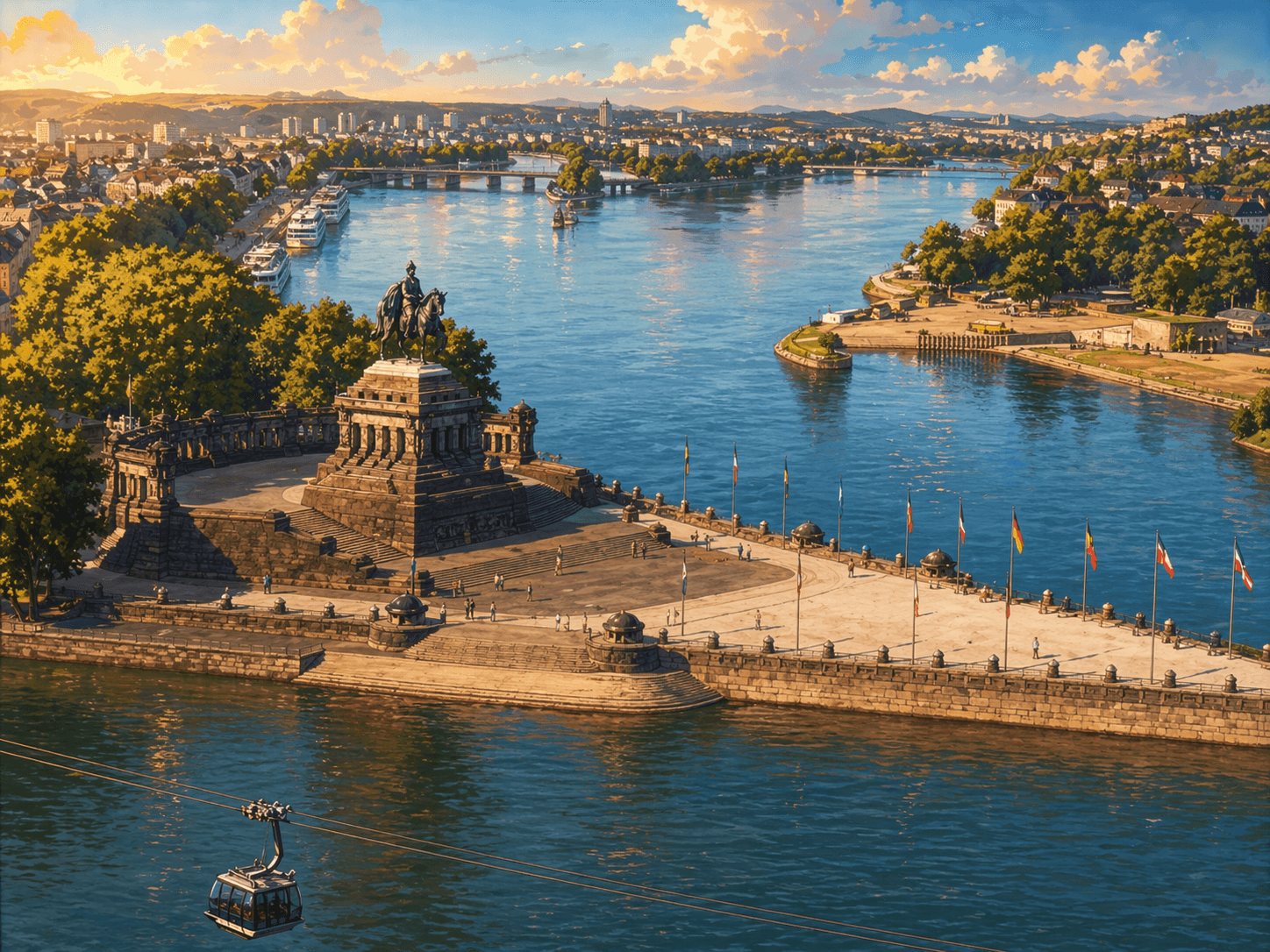
In February 2026, Koblenz focused on central topics of urban development and construction planning. From zoning plans to 30 km/h zones and new guidelines for public spaces – the blog provides a comprehensive overview.
Urban Development in Koblenz: Current Developments and Challenges in February 2026
Urban development in Koblenz is a dynamic field that reflects both urban planning ambitions and legal and ecological challenges. In February 2026, central decisions were made in several meetings that could sustainably influence the city's image, mobility, and urban life in the future. Below, we analyze the most important developments.
1. Zoning Plan 338 "Goldgrube" and the Revocation of the Development Freeze
Zoning Plan 338 in the Goldgrube district was a central point of discussion. After a development freeze was imposed in 2020, which prohibited building projects and value-increasing measures, it has now been lifted. The city has also allowed specific exceptions, such as the modernization of residential buildings and the creation of bicycle parking spaces.
This decision reflects a shift in urban planning strategy: While the development freeze emphasized the protection of the urban status quo, its revocation now enables a more targeted but cautious development of the district. The focus is on sustainability and functional diversity, which is also evident in the guidelines for the realignment of building volumes and building heights.
2. Mobility in Koblenz: 30 km/h Zones and Progress in Sustainable Transport
In February, three new 30 km/h zones were introduced in Arenberg, including in the Alte Emser Straße, the Urbarer Straße, and the Rheinblick area. The reduction in speed is not only a safety measure for students, but also a climate protection initiative. According to the latest mobility data from 2023, the share of the environmental transport network (walking, public transport, cycling) in Koblenz has increased to 54%, while the share of motorized individual transport (MIV) has decreased to 47%.
These developments show that Koblenz is on the path to a more sustainable transport policy. At the same time, the share of cycling has remained stable at 8%, despite improved infrastructure. This could indicate a lack of quality in terms of stay or a lack of safety, which must be considered in future planning.
3. Design of Public Space: Guidelines for Special Uses
Another focus was the regulation of special uses such as restaurant furnishings, window displays, and advertising in the city center area. The updated guidelines emphasize a harmonious integration into the cityscape, with clear provisions on materials, colors, and the depth of window displays.
In particular, in sensitive areas such as the Münzplatz or the Deutsche Ecke, heavy furniture and dominant advertising elements are avoided. The three-year transition periods for non-compliant special uses signal a pragmatic approach that does not burden trade abruptly, but promotes better quality of stay in public spaces in the long term.
4. Affordable Housing and the Bauturbo Regulations
Affordable housing remains a central topic. With the introduction of the "Lebendige Innenstadt Koblenz" (Vibrant City Center Koblenz) fund, the city center is being strengthened through smaller, non-profit projects that can provide up to 2,500 euros per measure. At the same time, the Bauturbo is being used to accelerate the processing of building permits.
The focus is particularly on inner-city development and the closing of building gaps. The provisions for the creation of at least 15 residential units (multi-family homes) or 5 residential units (single-family homes), as well as the integration of climate-friendly measures such as photovoltaic systems and façade greening, underline the holistic approach. Furthermore, it is planned that at least 30% of the subsidized housing in multi-family buildings will remain socially affordable.
Outlook and Challenges
The developments of February 2026 show that Koblenz is actively shaping its future on multiple levels – be it through the creation of 30 km/h zones, the revocation of zoning plan procedures, or the promotion of social projects in the city center. At the same time, the balance between urban development and ecological protection, as well as between economic efficiency and social commitment, remains a challenge.
The coming months may bring further impulses, particularly through the planned resumption of public and administrative participation in the land use planning process and the implementation of the new urban planning guidelines. The question is whether these measures can contribute in the long term to the creation of a vibrant, sustainable, and inclusive city – and whether the citizens of Koblenz will support these initiatives.
NeoSearch analyses public council documents, committee minutes and municipal announcements. Source references appear automatically once verified meeting data is available.
What does this mean for businesses?
Urban development, zoning plans and commercial settlements create early construction and supply opportunities. Following council decisions reveals projects before they go to tender.
Track similar decisions in your region
Set up monitoring for economic development in Rheinland-Pfalz — prefilled from this article.
Set up monitoring →More signals from Koblenz
Climate Adaptation in the Koblenz City Forest: Innovations and Challenges in April 2026
The Koblenz City Forest is at the center of an intensive climate change adaptation process. In April 2026, key measures were implemented in the areas of forestry, biodiversity protection, and public outreach. An overview of the political, ecological, and financial background.
Read more → Koblenz: Urban Development in Focus – Fortress City Concept and Housing Supply 2026
In Koblenz, key processes in urban development and construction planning are set to take place in 2026. With the Fortress City Concept and the update of the Housing Supply Concept, the city is pursuing forward-looking solutions for culture, housing, and mobility.
Read more → Sports Development in Koblenz: Expansion of Sportpark Oberwerth and Learning Exchange with Wattenscheid
In Koblenz, the expansion of Sportpark Oberwerth is a key focus. In April 2026, the Sports and Baths Committee decided to actively seek inspiration for the development of sports facilities, including a visit to the Lohrheide Stadium in Wattenscheid. The planned investment for the first construction phase is around 48 million euros.
Read more →