Kaiserslautern's Youth Policy March 2026: From Meeting Places to Holiday Care
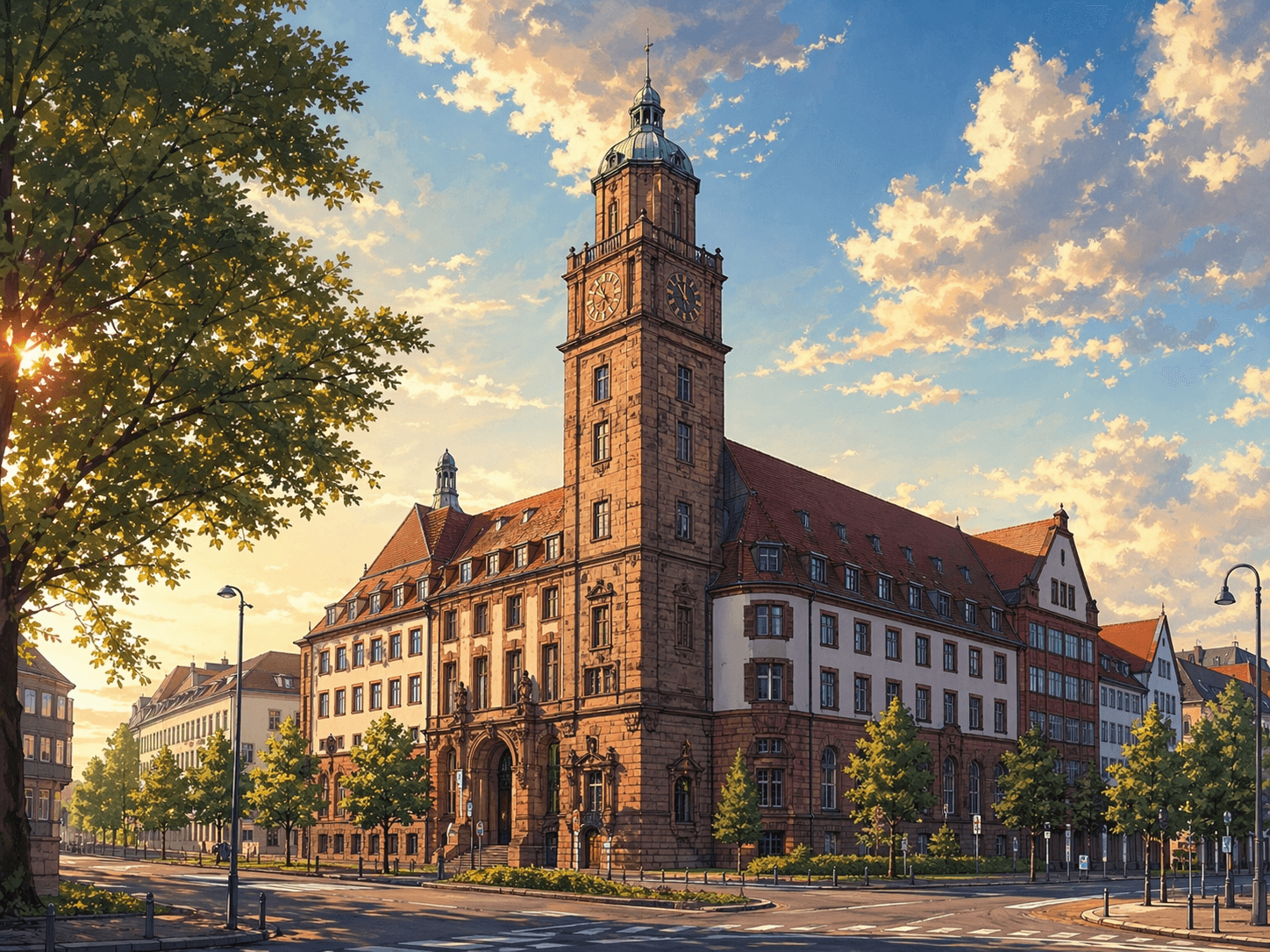
In March 2026, Kaiserslautern made numerous decisions and launched initiatives in the field of youth policy. From the new youth café in the city center to the expansion of mobile youth work – the focus was on inclusion, prevention, and ensuring leisure-time offerings.
Youth Centers and Mobile Services: Expanding Low-Threshold Offers
In March 2026, Kaiserslautern intensified its efforts to reach young people with low-threshold, consumption-free initiatives. Particularly noteworthy is the opening of the youth café "Treff" at the youth center on Steinstraße. This new meeting place, open on Tuesdays, provides young people aged 15 to 27 with a safe, weather-independent location for leisure, counseling, and social interaction.
In addition, the city is also relying on mobile solutions: The CVJM SpielMobil, a service for children and young people aged 6 to 14, is being expanded to two additional districts. This project is a mobile, pedagogically guided leisure-time offer, primarily used in socially disadvantaged areas and neighborhoods with large numbers of children. The funding by the city (approximately 5,000 euros for 2026) demonstrates the prioritization of youth work close to home.
Holiday Care and Parental Contributions: Ensuring the Right to Care
Another focus of youth policy in Kaiserslautern is holiday care. Within the framework of the Full-Time Support Act (GaföG), a weekly parental contribution of 150 euros (including lunch) was decided. This fee is tax-deductible and can be adjusted in cases of hardship. The care is provided by the provider "Club Aktiv," with a care ratio of 1:8, considered appropriate.
In preparation for the right to care starting with the school year 2026/2027, the city also plans to expand holiday care to additional school locations and introduce an online registration platform. This shows that Kaiserslautern is focusing on sustainability and accessibility.
Support for Psychologically Burdened Families: The KipsE Project
Another central topic was the support for children of parents with mental health or addiction issues (KipsE). The project, running since 2024, is to be continued until 2026 and integrated into the staffing plan for 2027. A half-time position is planned for this, to continue work in the areas of interdisciplinary care, coordination, and prevention.
In addition, the project "Stark im Sturm" will be implemented, focusing more on the families of affected children. Both projects contribute to the strategic goals of the youth office – particularly early support and the prevention of youth welfare measures.
Partnerships and Funding: How the City Secures Its Offers
The funding of youth services in Kaiserslautern is diverse. In addition to direct grants (e.g., 15,000 euros for the AWO fan project) and rent reductions (e.g., rent-free use of the Kartoffelhalle), the city also cooperates with independent providers. For example, the youth center Betzenberg is being strengthened through a partnership with the AWO fan project to support the revitalization of the district.
In addition, the city is active in the modernization of daycare centers: Catholic institutions such as Kita Marienheim, Heilig Kreuz, and St. Martin receive subsidies for noise protection measures and equipment buildings. These investments are part of the city's responsibility in child daycare and show that Kaiserslautern is also looking to the future in terms of infrastructure.
Outlook: Youth Policy as a Long-Term Investment
The decisions in March 2026 show that Kaiserslautern understands youth policy not only as a short-term measure, but as a long-term investment in the future of the city. Whether through new contact points such as the youth café, the expansion of mobile offers or the securing of holiday care – the city is relying on inclusion, prevention and cooperation.
Although challenges such as the closure of daycare centers and the lack of implementation of the coordination office for daycare and school social work remain, the current policy shows that Kaiserslautern is ready to develop solutions that are youth-friendly and socially responsible. The coming months will show whether these investments bear fruit – and how the city will further develop as an attractive place to live for young people.
NeoSearch analyses public council documents, committee minutes and municipal announcements. Source references appear automatically once verified meeting data is available.
What does this mean for businesses?
Schools, daycare centres and public buildings create early planning and construction opportunities. Following council agendas surfaces tenders for refurbishment, new builds and fit-out months before the official award — from shell construction to specialist planning to furnishing.
Track similar decisions in your region
Set up monitoring for education & public facilities in Rheinland-Pfalz — prefilled from this article.
Set up monitoring →More signals from Kaiserslautern
Sports Policy in Kaiserslautern: Focus on Swimming Pools, Infrastructure, and Inclusion in April 2026
In April 2026, important decisions were made in Kaiserslautern’s Sports Committee. Topics such as the swimming season, barrier-free company run, and future sports funding were discussed – with insights into the challenges and opportunities in urban development.
Read more → Governance in Kaiserslautern: Inclusion, Digitalization, and Citizen Participation
In April 2026, Kaiserslautern focused on several central themes of governance and administration: inclusion, digitalization, and citizen participation. The Inclusion Advisory Board and the Digitalization Committee discussed important initiatives aimed at shaping the city's future.
Read more → Kaiserslautern's Construction Planning: Outlook on Investments, Renovations, and Urban Development in April 2026
In the week of April 2026, Kaiserslautern has entered the next phase of its urban construction planning. With investments exceeding 300 million euros, a wide range of renovation projects, and new housing developments, the city is undergoing an intense transformation. In this blog post, we highlight the most important decisions and projects from the April meeting of the Building Committee.
Read more →