Kaiserslautern's Budget Policy in March 2026 – Debt Reduction, Grants, and Investments in Focus
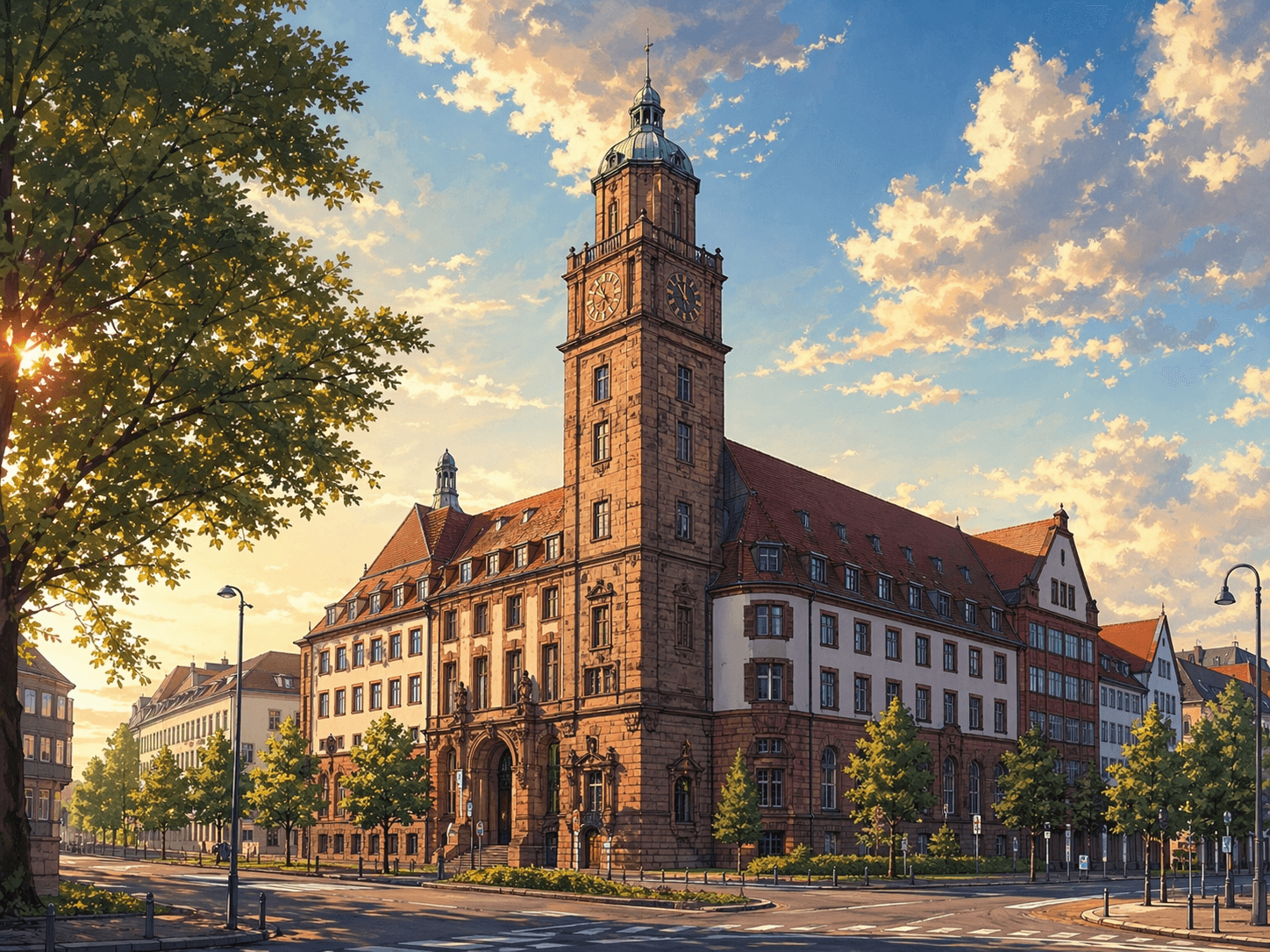
In March 2026, Kaiserslautern took decisive budgetary measures. The city reduced its debt, prepared for investments, and at the same time provided financial resources for culture, education, and urban development. A deep dive into the most important financial decisions.
Debt Reduction and Investments: Kaiserslautern's Budget Policy in March 2026
In March 2026, the city of Kaiserslautern implemented several strategic measures to maintain a stable budget, advance investments, and support social and cultural projects. Political discussions at City Hall reflected the challenges of the current economic situation – from debt to grants and more flexible financing models.
Advancing Debt Reduction
The budget focus was clearly on debt reduction. In 2025, Kaiserslautern reduced its total debt by over 26 million euros, from 376 to 349 million euros. A key factor was the reduction of liquidity loans by 35 million euros, with the debt relief program PEK playing a central role. At the same time, new investment loans were taken out (22.5 Mio. €) and partially repaid (14.05 Mio. €), resulting in a net new debt of 8.45 million euros – a significantly better result than in previous years.
The interest burden also decreased: the interest costs for liquidity loans dropped from 1.7 to 0.3 million euros, while investment loan interest costs increased by 0.6 million euros. This shows that Kaiserslautern is investing strategically in long-term projects, which may involve higher interest costs but are expected to yield returns or savings in the future.
Cultural and Social Support through Grants
In addition to budget consolidation, the city also provided financial support for cultural and social projects. In 2025, a total of 549,430 euros in grants were awarded, distributed among 135 projects. In March 2026, an additional 191,897 euros were added, including funds for the 750th anniversary, kindergarten training programs, the Wildlife Park, and the project "CREACT IV."
These funds are primarily financed from tax revenues, allocations, and sponsorship contributions. They help strengthen the city's cultural identity and simultaneously support social hotspots such as kindergartens. The city emphasizes that such grants not only have short-term effects but also promote urban development and social cohesion in the long term.
Investments and Funding Measures for the City Center
Another focus was on city center development. As part of the City Center Impulses, 366,400 euros were allocated, 90% of which came from state funds. These funds are used to support events, pop-up stores, and cultural initiatives such as the Art Walk. In addition, a special position I.2 City Management was established to specifically accompany the city's 750th anniversary.
To improve the parking situation in the city center, applications were discussed for the introduction of free parking in the first 30 minutes and the optimization of parking management. These measures aim to reduce traffic and increase the quality of living and shopping in the city center – a topic that directly affects both citizens and the retail sector.
Flexibility in the Budget: The MBW Concept
Special attention was paid to the introduction of a flexible budget management concept (MBW). After a six-month approval period for a trial run, this model is intended to increase the operational capacity of the city's tax departments. Benefits include:
- Faster commitment processing
- Shorter tendering periods
- Reduced need for decision proposals
The city plans to publish quarterly reports on the implementation and benefits of the MBW concept. The goal is to make the budget process more efficient while ensuring transparency.
Outlook: Stability and Investments in Focus
The budget decisions of March 2026 show a clear policy shift in Kaiserslautern's financial strategy. The city is pursuing a strategic debt reduction, investing specifically in infrastructure and city center development, and relying on flexible financing models to ensure the city's future viability. At the same time, the focus remains on social and cultural projects, which contribute to strengthening identity and quality of life.
In the coming months, it will be particularly important to see whether the implemented measures – especially the MBW concept – actually lead to increased efficiency and greater flexibility. In addition, it will be interesting to observe how the planned fee increases for elementary school childcare services affect parents and the city's financial situation.
NeoSearch analyses public council documents, committee minutes and municipal announcements. Source references appear automatically once verified meeting data is available.
What does this mean for businesses?
Municipal council decisions are early indicators: following the council agenda surfaces projects and tenders months before the official award — before they ever reach the procurement portals.
Track similar decisions in your region
Set up monitoring for Finance and Budget in Rheinland-Pfalz — prefilled from this article.
Set up monitoring →More signals from Kaiserslautern
Sports Policy in Kaiserslautern: Focus on Swimming Pools, Infrastructure, and Inclusion in April 2026
In April 2026, important decisions were made in Kaiserslautern’s Sports Committee. Topics such as the swimming season, barrier-free company run, and future sports funding were discussed – with insights into the challenges and opportunities in urban development.
Read more → Governance in Kaiserslautern: Inclusion, Digitalization, and Citizen Participation
In April 2026, Kaiserslautern focused on several central themes of governance and administration: inclusion, digitalization, and citizen participation. The Inclusion Advisory Board and the Digitalization Committee discussed important initiatives aimed at shaping the city's future.
Read more → Kaiserslautern's Construction Planning: Outlook on Investments, Renovations, and Urban Development in April 2026
In the week of April 2026, Kaiserslautern has entered the next phase of its urban construction planning. With investments exceeding 300 million euros, a wide range of renovation projects, and new housing developments, the city is undergoing an intense transformation. In this blog post, we highlight the most important decisions and projects from the April meeting of the Building Committee.
Read more →