Kaiserslautern invests in social support and health promotion: An analysis of March 2026 decisions in the healthcare sector
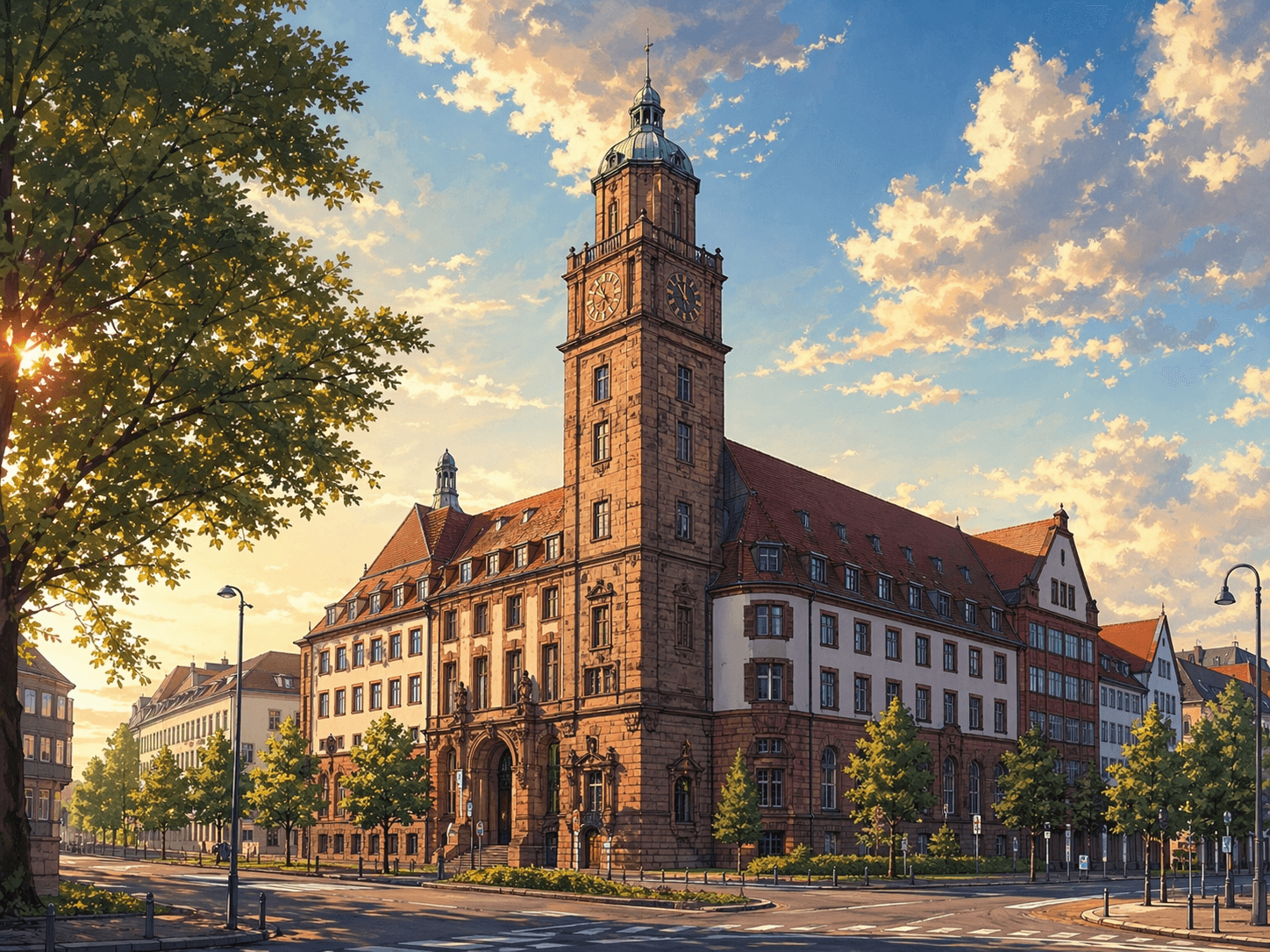
In March 2026, the city of Kaiserslautern took significant steps in its social and public health policy. The Hospital Committee approved subsidies for charitable projects that directly support children, seniors, and other disadvantaged groups. This blog post analyzes the background, decisions, and potential implications of these measures.
Social Health Promotion in Kaiserslautern: March 2026 in Focus
In March 2026, Kaiserslautern intensified its commitment to social health promotion. Central to this effort were decisions by the Hospital Committee, which approved grants from the Bürgerhospital Kaiserslautern Foundation. These funds were directed toward projects supporting children from disadvantaged districts, seniors, and church and cultural initiatives. The decisions illustrate the city's intent to strengthen health and social participation – and highlight the ongoing challenges.
Grants for non-profit projects: How are they distributed?
The association Lichtblick 2000 e.V. received a grant of 3,880 euros (80% of the project costs) in March 2026 for two projects aimed at easing the transition from kindergarten to elementary school for children aged 5–6. The projects „Stark – auch ohne Muckis“ and „Stift im Griff“ are designed to enhance resilience, fine motor skills, and literacy. The funds come from the Bürgerhospital Kaiserslautern Foundation, which distributed a total of 2,026 euros to associations and organizations in the same year.
The grants are distributed according to fixed quotas and are unanimously approved by members of the Hospital Committee. This reflects an unexpectedly high level of political consensus. The foundation is funded, among other sources, by purpose-bound donations, such as those from Mr. Rainer Stemler, who contributed to the ambulatory children’s hospice Rückenwind and church-related projects.
The role of the “Special Reserve for Older and Vulnerable People”
In addition to grants for associations, a “Special Reserve for Older and Vulnerable People” of 57,000 euros was also addressed. Originally intended to support seniors, this reserve had fallen out of focus due to staff changes. However, during the March meeting, it became clear that the need is significant and that the funds should be used more intensively in the future.
This issue highlights how sensitively the city of Kaiserslautern is responding to social inequalities – and how crucial it is to establish long-term structures for vulnerable population groups. The renewed mention of the reserve could also serve as a signal to other cities not to lose sight of existing support mechanisms.
What does the future of health promotion in Kaiserslautern look like?
The March decisions show that Kaiserslautern is pursuing an integrated approach: health is not viewed solely as a medical issue, but as part of the social infrastructure. The promotion of resilience, fine motor skills, and ergonomic workspaces indicates that the city is planning long-term investments in the development of both young people and the elderly.
In the future, it will be important to assess whether the funds are used sustainably and whether the projects actually create the expected benefits. In addition, the question remains whether reserves such as the Special Reserve will be managed in the long term in a secure and transparent manner. The Bürgerhospital Kaiserslautern Foundation has created an important model in this regard – yet coordination with other municipal institutions and initiatives will be crucial.
Conclusion: A step in the right direction
The March decisions in the field of health and public health show that Kaiserslautern is ready to strengthen the health and participation of its population through citizen-oriented projects and strategic funding. The support of associations such as Lichtblick 2000 e.V. and Offener Kanal Kaiserslautern e.V. is a positive signal. At the same time, the implementation of these projects requires close cooperation between politics, civil society, and experts.
In the coming months, it will be important to evaluate the success of these measures and, if necessary, launch new initiatives. Kaiserslautern has taken a first step toward a sustainable, socially oriented health policy – now it is time to consistently continue on this path.
NeoSearch analyses public council documents, committee minutes and municipal announcements. Source references appear automatically once verified meeting data is available.
What does this mean for businesses?
Municipal council decisions are early indicators: following the council agenda surfaces projects and tenders months before the official award — before they ever reach the procurement portals.
Track similar decisions in your region
Set up monitoring for Healthcare and Public Health in Rheinland-Pfalz — prefilled from this article.
Set up monitoring →More signals from Kaiserslautern
Sports Policy in Kaiserslautern: Focus on Swimming Pools, Infrastructure, and Inclusion in April 2026
In April 2026, important decisions were made in Kaiserslautern’s Sports Committee. Topics such as the swimming season, barrier-free company run, and future sports funding were discussed – with insights into the challenges and opportunities in urban development.
Read more → Governance in Kaiserslautern: Inclusion, Digitalization, and Citizen Participation
In April 2026, Kaiserslautern focused on several central themes of governance and administration: inclusion, digitalization, and citizen participation. The Inclusion Advisory Board and the Digitalization Committee discussed important initiatives aimed at shaping the city's future.
Read more → Kaiserslautern's Construction Planning: Outlook on Investments, Renovations, and Urban Development in April 2026
In the week of April 2026, Kaiserslautern has entered the next phase of its urban construction planning. With investments exceeding 300 million euros, a wide range of renovation projects, and new housing developments, the city is undergoing an intense transformation. In this blog post, we highlight the most important decisions and projects from the April meeting of the Building Committee.
Read more →