Kaiserslautern in March 2026: Urban Development and Urban Aesthetics in Focus
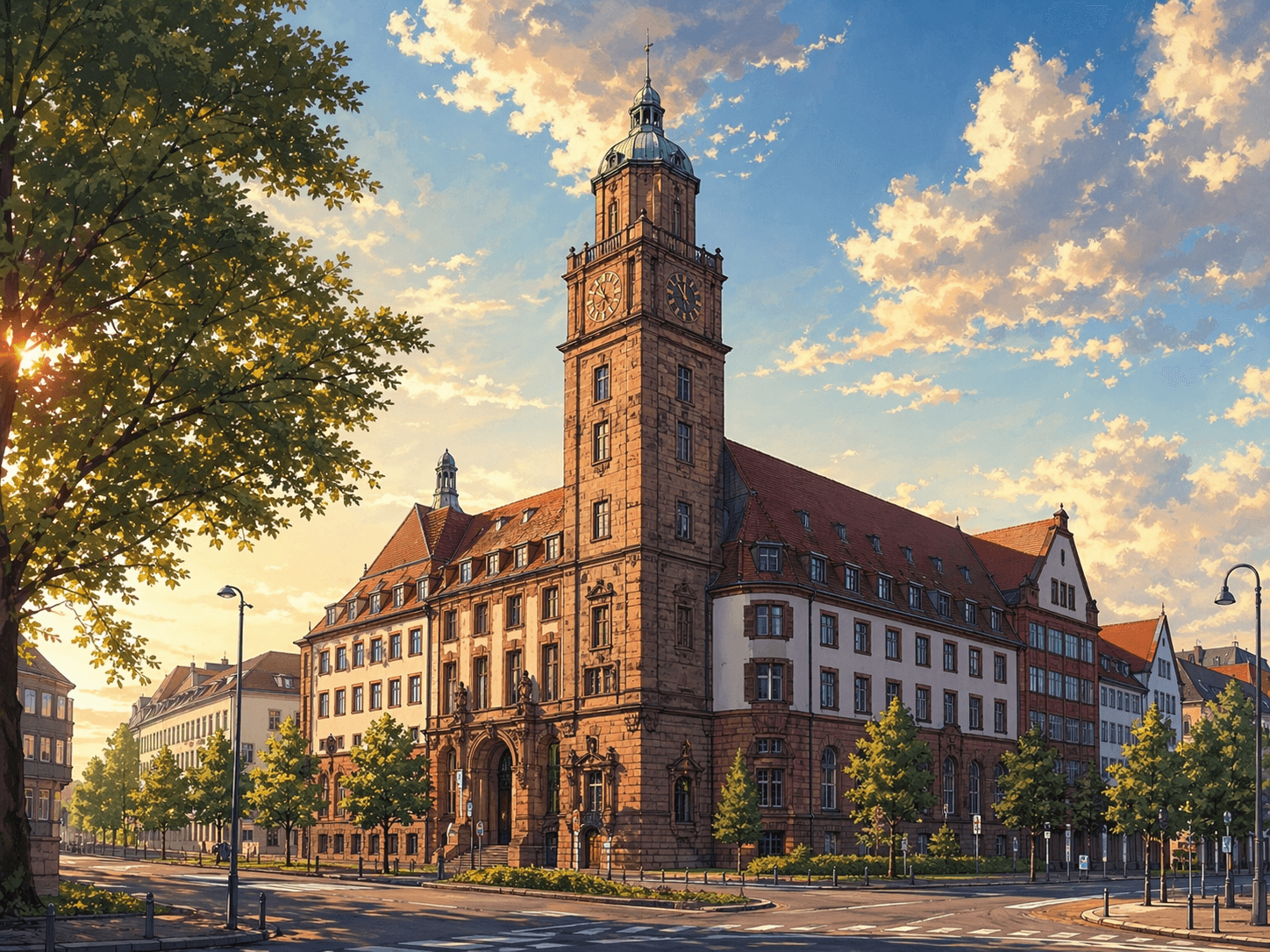
In March 2026, Kaiserslautern focused on key decisions and projects in the areas of urban development and urban aesthetics. From graffiti removal to the construction of the central operations yard and green space development, this report provides an analysis of the central developments.
Urban Aesthetics and Urban Development in Kaiserslautern: March 2026 in Focus
Urban development and the cityscape not only shape the appearance of a city but also the quality of life for its citizens. In March 2026, several central topics in the areas of urban development and urban aesthetics were in the spotlight in Kaiserslautern. The city focused on pragmatic solutions, legal clarity, and collaborative design. Below is an analysis of the most important developments.
Graffiti Removal and Aesthetic Design
In March 2026, the city of Kaiserslautern intensified its preventive measures against illegal graffiti as part of urban aesthetics. With a budget of 50,000 euros – carried over from 2025 – areas around the Pfalztheater and the Kaiserpfalz were coated with graffiti protection. This coating is breathable, water-permeable, and can withstand up to 20 removals. However, it needs to be renewed every 5–6 years.
As part of a tender for a framework contract for graffiti removal and coating, an annual budget of 50,000 euros was set. This is intended to ensure that illegal graffiti is removed quickly in the future as well. At the same time, the city is pursuing a creative approach: legal, aesthetic graffiti is being applied at strategic locations such as the recycling center Daennerstraße and the bridge at the Pfalztheater. In cooperation with the FCK fan community, a project to design the underpass at Trippstadter Straße is also in planning.
Construction Measures at the Central Operations Yard
Another highlight was the continuation of construction at the Central Operations Yard. Here, the focus was on relocating the gas line. The decision was made to relocate rather than to cap the line due to the district heating connection, which is more efficient in the long term. The planning for the stormwater cistern is complete, and the tender is currently underway. The cistern is planned to be placed in the ground before construction begins, allowing for optimal integration into the operations. Completion is scheduled for the end of summer 2026.
In autumn 2026, the groundbreaking ceremony for the new social building "Halle 8" with black-and-white sanitary facilities is planned. The city is thus investing in a modern, functional infrastructure that also considers sustainability.
Green Space Development and Budgeting
Green space development remained a central topic. Resident Tim Redenbach from Siegelbach criticized the fact that planned green spaces in the new development area "Zur Grube" had not yet been created and that wild growth and waste accumulation were still present. Responsibility lies with Department 67 (Green Spaces), and urban aesthetics promised to inform the citizen in writing within six weeks.
In addition, the ADD approved a budget increase for green space maintenance by 950,000 euros, but demanded a "balanced budget" for this area in the future. Due to a lack of funds, only 3 instead of 5 additional staff positions in green space maintenance will be filled. This highlights the tension between increasing demands and limited resources.
Proposals for Waste Disposal and Citizen Participation
Another issue discussed in the work committee was waste disposal in a recess at the Spinnrädel. This is regularly observed on Saturdays, and there was an exchange with the municipal enforcement service to identify the perpetrators. The enforcement service staff were sensitized to pursue clues to the perpetrators more systematically. A member of the work committee also suggested raising public awareness about the responsibility of property owners to clean up, in order to reduce the problem in the long term.
Outlook and Challenges
The developments in March 2026 show how complex the challenges in urban development and urban aesthetics are. Kaiserslautern is relying on a combination of quick reactions, preventive design, and constructional innovation. At the same time, financial limits and legal obstacles must be considered. The city is showing flexibility and a willingness to also use creative solutions – be it through cooperative projects with the population or through technological investments in sustainability and efficiency.
In the coming months, it will be particularly important to design the budget planning for green spaces and urban aesthetics with precision in order to ensure a liveable urban development in the long term.
NeoSearch analyses public council documents, committee minutes and municipal announcements. Source references appear automatically once verified meeting data is available.
What does this mean for businesses?
Municipal council decisions are early indicators: following the council agenda surfaces projects and tenders months before the official award — before they ever reach the procurement portals.
Track similar decisions in your region
Set up monitoring for Culture and Community in Rheinland-Pfalz — prefilled from this article.
Set up monitoring →More signals from Kaiserslautern
Sports Policy in Kaiserslautern: Focus on Swimming Pools, Infrastructure, and Inclusion in April 2026
In April 2026, important decisions were made in Kaiserslautern’s Sports Committee. Topics such as the swimming season, barrier-free company run, and future sports funding were discussed – with insights into the challenges and opportunities in urban development.
Read more → Governance in Kaiserslautern: Inclusion, Digitalization, and Citizen Participation
In April 2026, Kaiserslautern focused on several central themes of governance and administration: inclusion, digitalization, and citizen participation. The Inclusion Advisory Board and the Digitalization Committee discussed important initiatives aimed at shaping the city's future.
Read more → Kaiserslautern's Construction Planning: Outlook on Investments, Renovations, and Urban Development in April 2026
In the week of April 2026, Kaiserslautern has entered the next phase of its urban construction planning. With investments exceeding 300 million euros, a wide range of renovation projects, and new housing developments, the city is undergoing an intense transformation. In this blog post, we highlight the most important decisions and projects from the April meeting of the Building Committee.
Read more →