Kaiserslautern in Focus: Transport and Mobility in February 2026
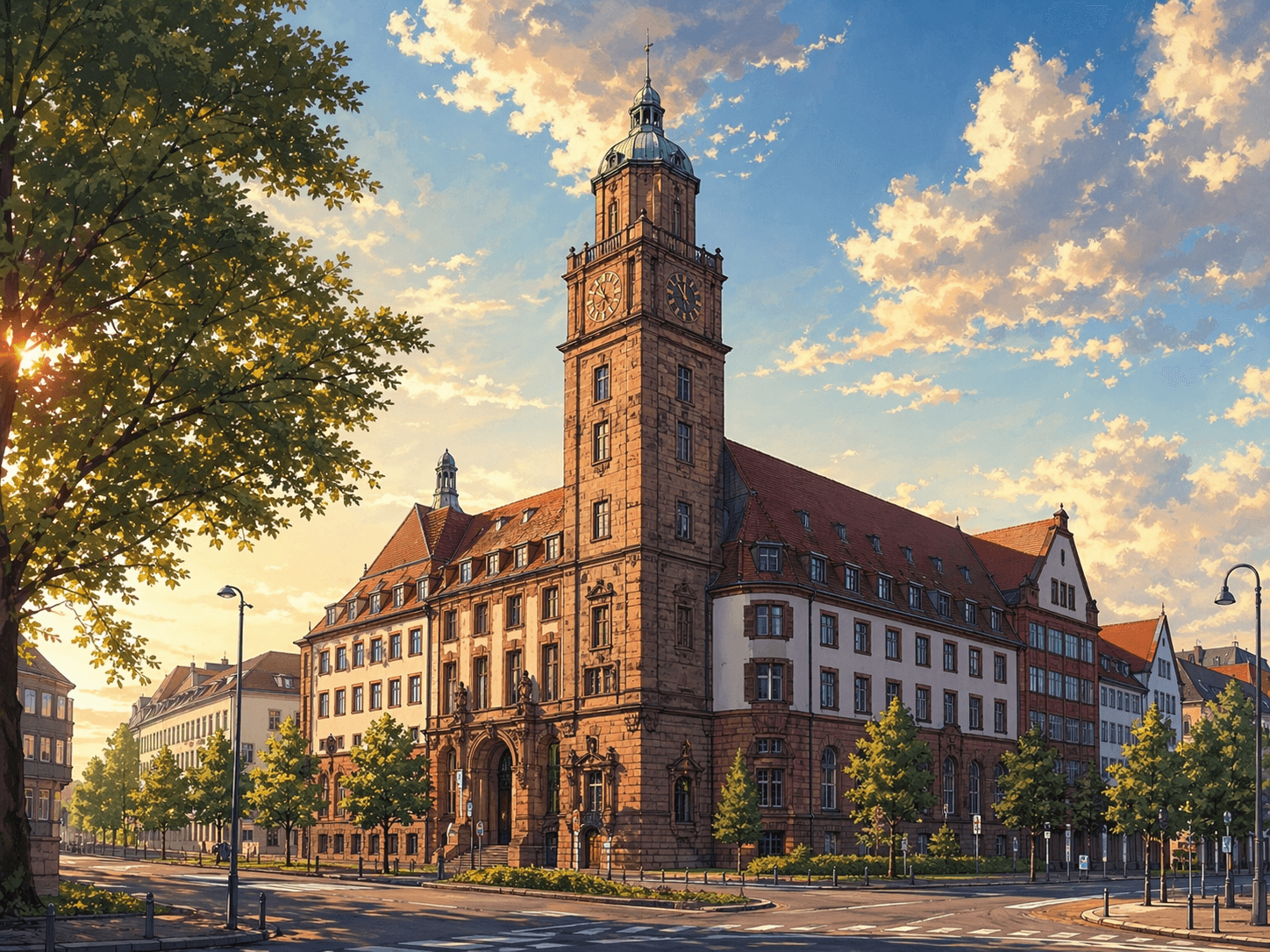
In February 2026, Kaiserslautern focused on several key topics in the field of transport and mobility – from the central Jacob-Pfeiffer Bridge to local challenges in stationary traffic. An overview of the most important developments and decisions.
Transport and Mobility in Kaiserslautern: Highlights from February 2026
In February 2026, the city of Kaiserslautern intensified its engagement with central challenges in the field of transport and mobility. The planning for the replacement of the Jacob-Pfeiffer Bridge made a decisive step forward, while the district of Einsiedlerhof discussed local problems related to stationary traffic. These developments illustrate how the city is responding to both infrastructural modernization and the needs of its residents.
Replacement of the Jacob-Pfeiffer Bridge: A Central Infrastructure Project
The replacement of the Jacob-Pfeiffer Bridge is one of the largest transport projects in Kaiserslautern in the coming years. In February 2026, the final planning was completed, and the choice of the Stabbogenbrücke (truss arch bridge) as the preferred variant was confirmed. This decision is based on several technical and logistical advantages: The Stabbogenbrücke allows for a shorter full road closure (from May 2029 to November 2030) and reduces the dependency on railway closures.
The total cost of the project amounts to 18 million euros. Deutsche Bahn could contribute up to 50% of the costs, although the exact contribution is still subject to a planned legislative change. In addition, the city will receive 75% funding from the state under the Landesverkehrsfinanzierungsgesetz (LVFGKom), significantly easing the financial burden.
In addition to the bridge itself, a comprehensive redesign of the road space is also planned: A new roundabout with a diameter of 32 meters, barrier-free bus stops, cycle and pedestrian paths, and retaining structures in the embankment areas are part of the overall concept. These measures aim to significantly improve road safety and accessibility.
Stationary Traffic in the District of Einsiedlerhof: Local Challenges and Solutions
In the district of Einsiedlerhof, a motion regarding the situation of stationary traffic in the street Im Einsiedlerhof (along the coal yard) was discussed in February 2026. The local council critically examined the parking situation, especially in light of the limited space and the growing demand from residents and commuters.
In addition, the noise pollution from the shooting range was mentioned, which continues to be a problem for the residents. The discussion showed that the city of Kaiserslautern needs to actively seek solutions to relieve local traffic while simultaneously improving the quality of life in the districts.
Financing and Planning: How Will the Project Be Realized?
The financing of the Jacob-Pfeiffer Bridge construction is closely linked to funding provided by various cost bearers. The city is pursuing a clear breakdown of the costs: In addition to the bridge replacement (12.2 million euros), the project also includes the redesign of traffic areas, roundabouts, and the construction of retaining structures. The funding is provided through the cost bearers 66-0365-01 and 66-0365-26.
The planning was already presented in November 2025 in the Construction Committee by Mr. Mock from the Department of Civil Engineering. In the coming months, the focus will be on final coordination with Deutsche Bahn, particularly to utilize the rail closure in the second half of 2029. The full road closure during the construction process will remain a challenge, but the city plans to minimize the traffic flow as much as possible and announce diversions well in advance.
Outlook: What Does This Mean for Kaiserslautern?
The decisions of February 2026 mark a milestone in Kaiserslautern's transport policy. With the planned replacement of the Jacob-Pfeiffer Bridge, the city will not only strengthen a central connection but also bring its transport infrastructure up to date in the long term. At the same time, it becomes clear that local challenges, such as stationary traffic in Einsiedlerhof, must also be addressed.
In the coming months, the focus will be on final coordination with Deutsche Bahn, municipal financial planning, and the implementation of construction measures. For residents, it is important to stay informed about the impacts and diversions as early as possible to minimize disruptions to daily life.
NeoSearch analyses public council documents, committee minutes and municipal announcements. Source references appear automatically once verified meeting data is available.
What does this mean for businesses?
Municipal council decisions are early indicators: following the council agenda surfaces projects and tenders months before the official award — before they ever reach the procurement portals.
Track similar decisions in your region
Set up monitoring for Finance and Budget in Rheinland-Pfalz — prefilled from this article.
Set up monitoring →More signals from Kaiserslautern
Sports Policy in Kaiserslautern: Focus on Swimming Pools, Infrastructure, and Inclusion in April 2026
In April 2026, important decisions were made in Kaiserslautern’s Sports Committee. Topics such as the swimming season, barrier-free company run, and future sports funding were discussed – with insights into the challenges and opportunities in urban development.
Read more → Governance in Kaiserslautern: Inclusion, Digitalization, and Citizen Participation
In April 2026, Kaiserslautern focused on several central themes of governance and administration: inclusion, digitalization, and citizen participation. The Inclusion Advisory Board and the Digitalization Committee discussed important initiatives aimed at shaping the city's future.
Read more → Kaiserslautern's Construction Planning: Outlook on Investments, Renovations, and Urban Development in April 2026
In the week of April 2026, Kaiserslautern has entered the next phase of its urban construction planning. With investments exceeding 300 million euros, a wide range of renovation projects, and new housing developments, the city is undergoing an intense transformation. In this blog post, we highlight the most important decisions and projects from the April meeting of the Building Committee.
Read more →