Education and Public Facilities in Kaiserslautern: An Overview of February 2026
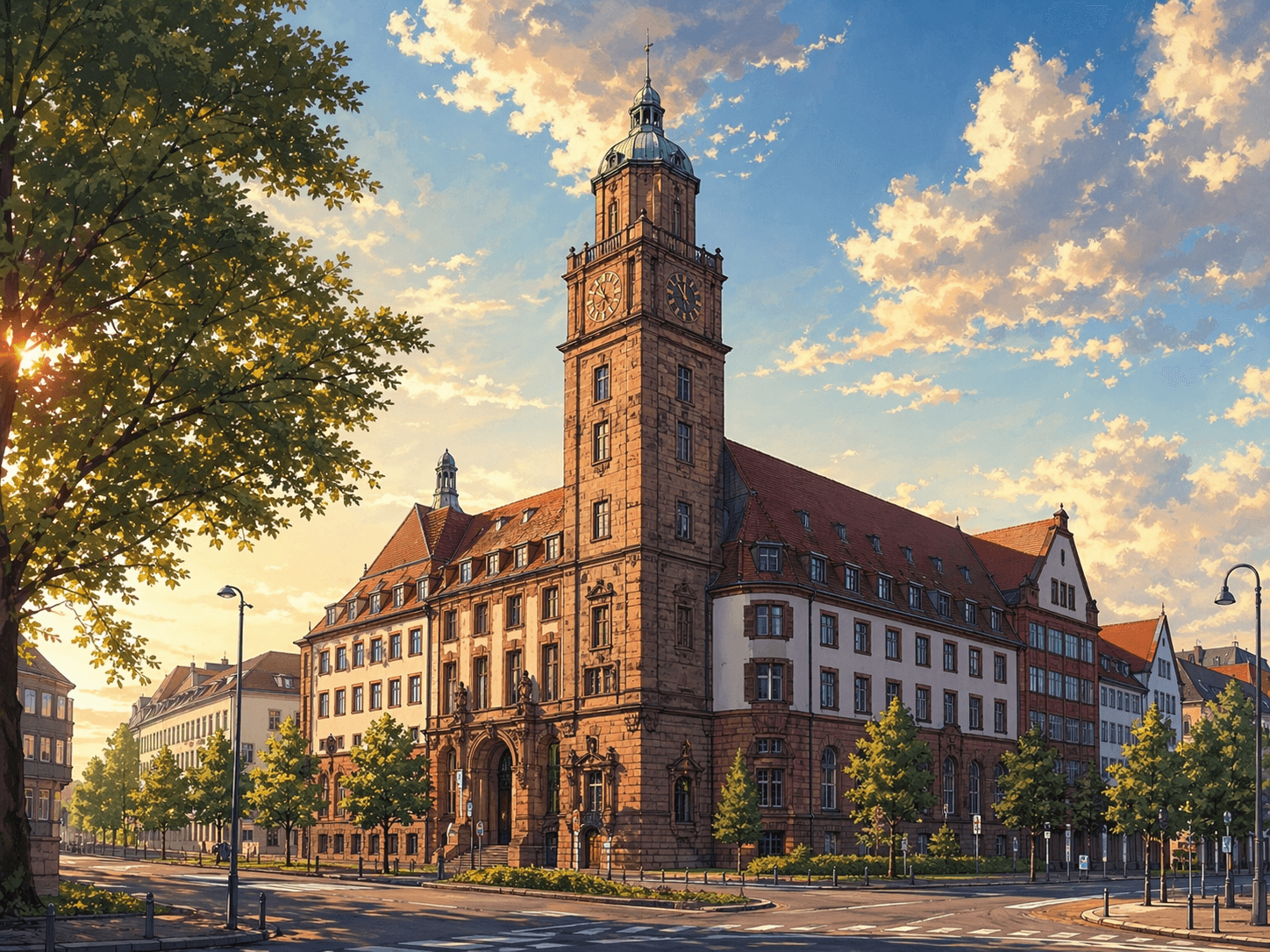
In February 2026, Kaiserslautern faced key decisions in the area of education and public facilities. The focus was on adjusting parental contributions, redesigning schoolyards, the future of student transportation, and the digitalization of schools. An overview.
Education Policy in Kaiserslautern: Decisions and Developments in February 2026
Education policy in Kaiserslautern is a key issue of central importance for both the city and the parents. In February 2026, several relevant decisions and discussions took place that affect the future of educational institutions and childcare services. The Education Committee met on February 25 to deliberate on important topics such as contributions, infrastructure, and transport planning.
Adjustment of Parental Contributions and Funding of Childcare Services
A central topic was the adjustment of parental contributions for childcare services at elementary schools. The city plans to revise the contributions starting in the 2026/2027 school year to cover rising personnel and infrastructure costs. The new rates will be €160 per month for full-day care, €70 for half-day care, and €30 for early and late care. This is expected to close approximately 20% of the current funding gap, which stands at around €912,000.
The administration emphasizes that the contributions will not remain static but will be reviewed in case of future changes in state funding. At the same time, the legal entitlement to full-day childcare will be introduced from 2026/2027 onwards—another reason for the structural adjustments. Currently, about 1,600 children use the childcare services, and the target rate is between 75–85%.
Infrastructure Measures and Schoolyard Renovation
Another important project is the renovation of the schoolyard at Grundschule Pfaffenwoog, which is planned for the summer holidays of 2026. The Green Spaces Department presented the current planning, and the decision now lies with the Education Committee. Such measures are part of the city's efforts to improve the quality and safety of school infrastructure.
In addition to Pfaffenwoog, the school campus at Grundschule Stiftswald will also be further developed. The Building Committee recommended approving the construction of a school campus on the GS Stiftswald site, which would allow for long-term expansion of the educational infrastructure.
Student Transportation: Cost Efficiency and Safety
Student transportation was also a central topic. The city covers the transportation costs for students from Elmstein, Speyerbrunn, Schwarzbach, and Erlenbach to Kaiserslautern. In Morlautern, transportation has been enabled since January 2026, as the school route is now classified as particularly dangerous.
Regarding cost efficiency, an economic evaluation of alternatives was presented: the exempt student transport is cheaper at an annual cost of €203,710 compared to the regular public transport at €217,710. The administration therefore recommends continuing the exempt student transport. At the same time, alternatives such as the Deutschland-Ticket and integration into regular public transport are being examined.
Digitalization in Schools: Progress and Challenges
The digitalization of schools is another central topic. The Digital Pact 2.0, with a total volume of €5 billion (split equally between the federal government and the states), will be implemented from 2026. Key areas include the expansion of IT infrastructure, digital curriculum development, and the qualification of teachers.
Regarding IT infrastructure, there were discussions about the funding of IT support in schools. The State Association of Municipalities in Rhineland-Palatinate rejected proposals from the state, and there is a call for a binding regulation with equal funding from the federal government and the states. In addition, a comprehensive educational and technical concept is being pursued to ensure equipment, training, and operations in schools.
Outlook: Challenges and Opportunities
Education policy in Kaiserslautern faces several challenges: the funding of childcare services, the assurance of infrastructure, and the digitalization of schools are central topics that will remain in focus in the coming months. At the same time, the Digital Pact 2.0 offers new opportunities for equipping schools and qualifying teachers.
The decisions of the Education Committee in February 2026 show that Kaiserslautern is demonstrating readiness to act and planning security at various levels. With the tendering of the exempt student transport from 2026/2027 and the implementation of the new contributions for childcare services, a clear direction has been set.
NeoSearch analyses public council documents, committee minutes and municipal announcements. Source references appear automatically once verified meeting data is available.
What does this mean for businesses?
Schools, daycare centres and public buildings create early planning and construction opportunities. Following council agendas surfaces tenders for refurbishment, new builds and fit-out months before the official award — from shell construction to specialist planning to furnishing.
Track similar decisions in your region
Set up monitoring for education & public facilities in Rheinland-Pfalz — prefilled from this article.
Set up monitoring →More signals from Kaiserslautern
Sports Policy in Kaiserslautern: Focus on Swimming Pools, Infrastructure, and Inclusion in April 2026
In April 2026, important decisions were made in Kaiserslautern’s Sports Committee. Topics such as the swimming season, barrier-free company run, and future sports funding were discussed – with insights into the challenges and opportunities in urban development.
Read more → Governance in Kaiserslautern: Inclusion, Digitalization, and Citizen Participation
In April 2026, Kaiserslautern focused on several central themes of governance and administration: inclusion, digitalization, and citizen participation. The Inclusion Advisory Board and the Digitalization Committee discussed important initiatives aimed at shaping the city's future.
Read more → Kaiserslautern's Construction Planning: Outlook on Investments, Renovations, and Urban Development in April 2026
In the week of April 2026, Kaiserslautern has entered the next phase of its urban construction planning. With investments exceeding 300 million euros, a wide range of renovation projects, and new housing developments, the city is undergoing an intense transformation. In this blog post, we highlight the most important decisions and projects from the April meeting of the Building Committee.
Read more →