Youth Policy in Andernach: Focus on Childcare Capacity, Funding, and Participation
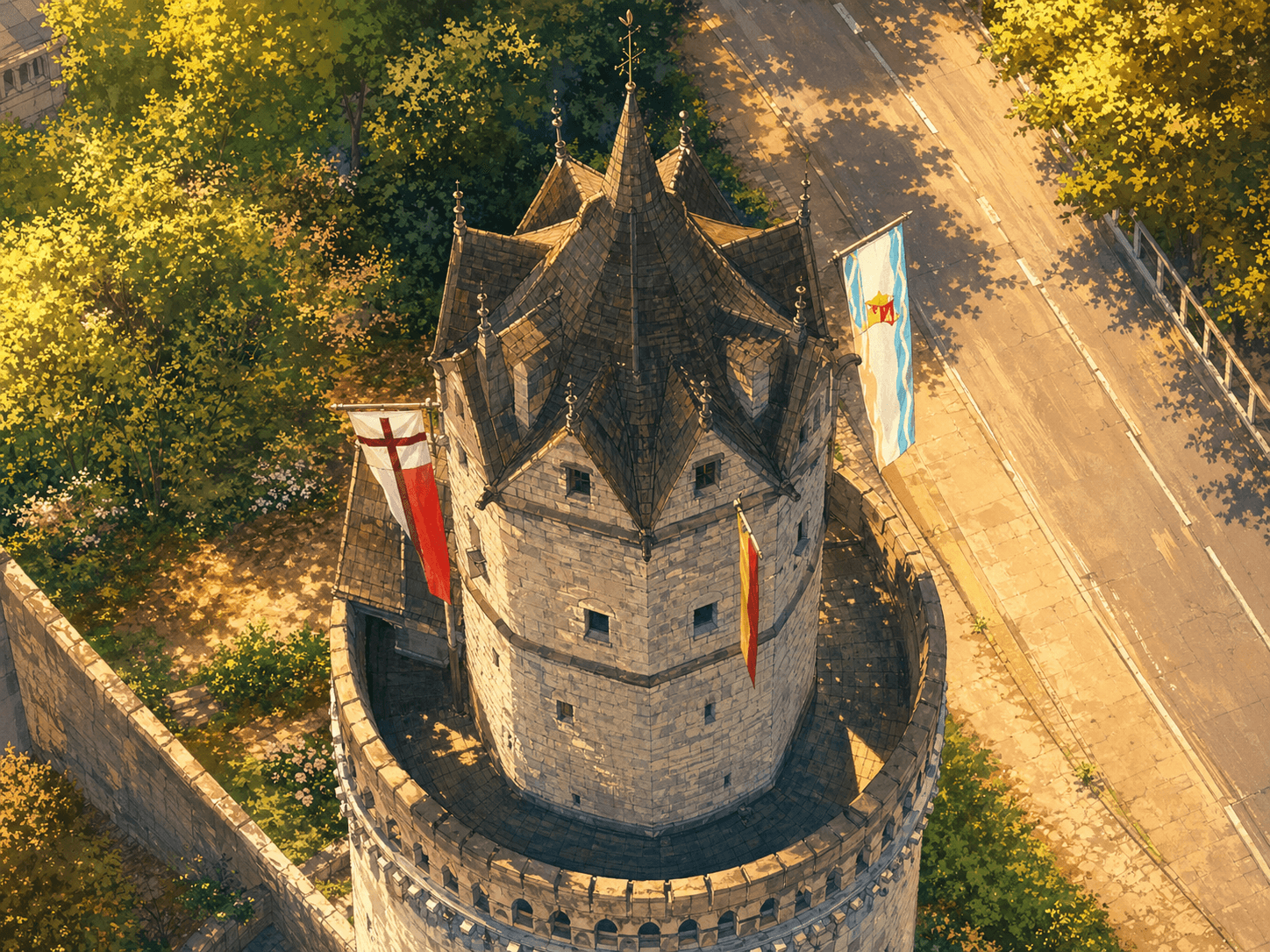
In March 2026, Andernach prioritized decisions regarding youth support, daycare planning, and educational concepts. The Youth Welfare Committee set the direction for better care and inclusive education.
Youth Policy in Andernach: How the City Supports Its Youngest Residents
In March 2026, Andernach demonstrated that youth policy goes far beyond mere funding. With a broad focus on childcare capacity, educational concepts, and financial support, the city has committed itself to a sustainable and inclusive approach to youth development. The Youth Welfare Committee and related bodies have set concrete priorities that will have both short-term and long-term impacts.
Youth Welfare Funds 2026: Transparent Distribution with Clear Criteria
Andernach has allocated a total of 9,500 euros for youth organizations in 2026. The distribution follows a regulated model: Each youth group receives a base amount of 50 euros, supplemented by a proportional amount based on the number of members. Special attention was given to the Andernach Youth Fire Department, which will only receive funds after submitting a usage report for 2025. The deadline for this is set for April 2, 2026.
This clear structure ensures transparency and simultaneously places the responsibility for the meaningful use of funds on the users themselves. The committee emphasized that this is a deliberate decision to strengthen the financial independence of youth organizations.
Daycare Needs Plan 2026: Securing Childcare Capacity
The adopted Daycare Needs Plan for 2026 is another milestone in Andernach's youth policy. With a total of 967 childcare spots—746 in the city center and 221 in the suburbs—the city is well-positioned to meet the legal requirement for childcare places for children aged one until school entry. Notably, some suburbs like Miesenheim and Namedy already show a surplus of available spots.
However, the planning is not static. The city is considering the conversion of a municipal daycare into a workplace daycare to increase flexibility in responding to future needs. Additionally, population projections up to 2040 are being integrated to ensure long-term planning security.
Educational Concepts: Diversity, Inclusion, and Participation
A central aspect of Andernach’s youth policy is educational quality. The city promotes holistic development, inclusive work, and participation. For example, the Herderhof daycare implements the Reggio Emilia approach, which focuses on spatial design and self-learning processes. Other daycares use the Emmi Pikler method, which emphasizes initiative and independence.
Special emphasis is placed on the inclusion of children with special needs and on intercultural learning. Democracy education is also a fixed component, such as through children's conferences and participatory procedures. These concepts are reflected in the close cooperation with primary schools, advisory services, and external partners, which support and complement the educational work.
Funding and Contributions: A Model for Financial Fairness
Funding for childcare places is another key focus. Children aged two and older until school entry are entitled to free childcare. For under-twos and schoolchildren, income-dependent parental contributions apply, which are structured according to income levels and the number of children. This model aims for financial fairness and takes into account the different living situations of parents.
The city has also established a clear structure for the Social Space Budget, which totaled 556,821.67 euros in 2026. 60% of this comes from the state budget and 40% from the city. Part of this is allocated to the personnel costs for childcare facilities, supporting quality assurance.
Outlook: From Planning to Implementation
The decisions made in March 2026 show that Andernach is not just reacting but actively planning. With a strong focus on childcare capacity, financial fairness, and pedagogical innovation, the city has set a clear course for its youth policy. The challenge will be to anchor these structures in practice and to continuously review them. Population projections and evaluation mechanisms are essential tools to respond to changes in the long term.
In the future, it will be crucial to further strengthen the participation of children and young people and to deepen cooperation with parents, schools, and associations. Only in this way can Andernach ensure that its youth policy is not just on paper, but has a real impact on the daily lives of the younger generation.
NeoSearch analyses public council documents, committee minutes and municipal announcements. Source references appear automatically once verified meeting data is available.
What does this mean for businesses?
Schools, daycare centres and public buildings create early planning and construction opportunities. Following council agendas surfaces tenders for refurbishment, new builds and fit-out months before the official award — from shell construction to specialist planning to furnishing.
Track similar decisions in your region
Set up monitoring for education & public facilities in Rheinland-Pfalz — prefilled from this article.
Set up monitoring →More signals from Andernach
Andernach in April 2026: Budget Policy in Focus
In April 2026, Andernach focused on key budgetary issues ranging from medical practice funding to taxi fare adjustments. The Main and Finance Committee thoroughly examined investments, fundraising, and budget planning.
Read more → Governance and Administration in Andernach: Focus on the Disability Advisory Board and Deputy Mayor Meetings
In April 2026, the city of Andernach focused on important meetings of the Disability Advisory Board and the Deputy Mayor Meetings. These gatherings reflect the structure of local governance and illustrate how decision-making processes function in the city.
Read more → Andernach: Youth Politics in Action – What's Happening in April 2026
In April 2026, Andernach focused more on youth-oriented offerings and digital communication. The Youth Advisory Board discussed key projects, including the revitalization of Breslauer Platz and the establishment of a municipal WhatsApp channel. An overview of the most important developments.
Read more →