Urban Development in Wachtberg: What Changed in February 2026
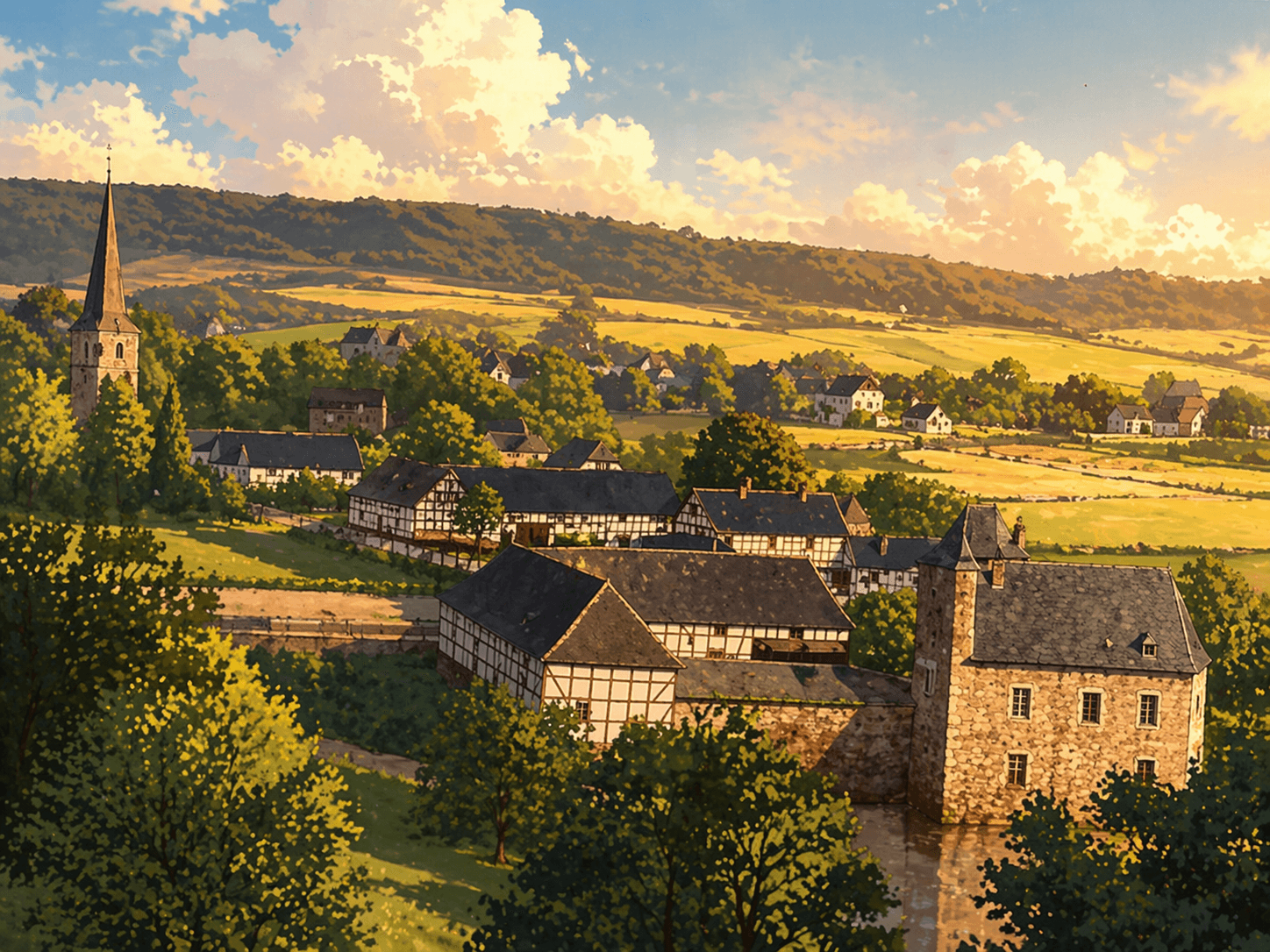
In February 2026, Wachtberg focused on numerous decisions regarding urban development. The Planning Committee and the Committee for Infrastructure and Construction addressed a wide range of topics, from building applications and fencing to regional planning regulations. This blog article analyzes the most important developments and their impact on urban planning.
Urban Development in Wachtberg: An Overview of the February Decisions
The town of Wachtberg addressed a wide range of urban development topics in February 2026. The Planning Committee and the Committee for Infrastructure and Construction made decisions that not only influence urban development but also administrative regulations and financial planning. Central to these discussions were building applications, fencing, zoning plans, and regional planning guidelines – all key elements for the city's future development.
Building Applications and Fencing: Practicality and Urban Compromises
A central topic in the Planning Committee was the processing of building applications and fencing. Numerous projects – especially in the districts of Villip, Niederbachem, and Pech – were discussed and, in most cases, approved. Particularly notable were the exemptions granted due to deviations from zoning plan regulations.
For example, building projects outside the designated construction windows were approved if they were considered urbanistically acceptable and did not have negative effects on neighboring interests. In Züllighoven, an alternative implementation of ecological compensation measures was accepted, with the planting of fruit trees in a different region being welcomed. In Fritzdorf, the 9th amendment to the zoning plan 03-1 Schmiedegasse was approved, with exemptions granted for non-conforming fencing.
The municipality also demonstrated a willingness to act flexibly regarding fencing. Height exemptions of up to 2 meters for fencing in rear property areas were granted, as they primarily serve to protect privacy. In corner properties, a height restriction of 2 meters for street-facing fencing was approved – an exception deemed necessary due to disproportionately restrictive limitations on property use.
Zoning Plan Procedures and Regional Planning Guidelines
Another focal point was the ongoing zoning plan procedures. The zoning plan 09-19 "Margeritenweg" in Pech was adopted as a regulation, and the 2nd amendment to the land use plan was approved. In addition, the construction freeze for the zoning plan 07-02 "Auf der Leyenkaul" was extended to allow for further discussions.
In the regional planning area, the Regional Plan Cologne was a central topic. The substantive plan on Renewable Energies (STEE) was confirmed, and the plan on Non-Energy Raw Materials (Loose Rocks) came into effect. Key aspects included the protection of wind energy areas – although Wachtberg did not receive any due to military restrictions – as well as the planning of raw material extraction areas in Adendorf and Züllighoven.
School Construction and Infrastructure: Investments in the Future
Alongside urban development, investments in schools and infrastructure were also in focus. The renovation and expansion of the primary school in Villip were presented, and the climate-adapted renovation of the schoolyard in the Berkum school complex was unanimously approved. In this context, Wachtberg is relying on nature-based solutions to address climate change.
In addition, the replacement of vehicles for the construction site workshop was approved, as the existing vehicles were aging and required frequent repairs. The costs for the replacement were included in the budget, and the Committee for Infrastructure and Construction approved the implementation.
Outlook: Urban Development in Transition
The decisions made in February 2026 show that Wachtberg is pursuing a pragmatic yet forward-looking planning approach. The willingness to be flexible – for example, regarding fencing or deviations from zoning plan regulations – underscores that the city is in dialogue with its citizens. At the same time, long-term planning goals such as climate protection and the security of infrastructure are not overlooked.
In the coming months, the focus will primarily be on the implementation of the approved projects and on financing through funding programs. The renovation of the primary school in Villip and the climate-adapted redesign of the schoolyard in Berkum are important milestones in this regard.
NeoSearch analyses public council documents, committee minutes and municipal announcements. Source references appear automatically once verified meeting data is available.
What does this mean for businesses?
Schools, daycare centres and public buildings create early planning and construction opportunities. Following council agendas surfaces tenders for refurbishment, new builds and fit-out months before the official award — from shell construction to specialist planning to furnishing.
Track similar decisions in your region
Set up monitoring for education & public facilities in Nordrhein-Westfalen — prefilled from this article.
Set up monitoring →More signals from Wachtberg
Governance and Administration in Wachtberg: Focus on the Arzdorf Local Committee in April 2026
In April 2026, important governance decisions came to the forefront in Wachtberg, particularly through the work of the Arzdorf Local Committee. In this analysis, we examine the agenda, background, and significance of the meeting held on April 14, 2026.
Read more → Barrier-free Infrastructure, Building Acceleration, and Energy Storage: Urban Development in Wachtberg in April 2026
In April 2026, the municipality of Wachtberg focused on barrier-free infrastructure, accelerated construction processes, and forward-looking energy projects. The emphasis was on implementing concrete measures in civil and underground construction, reviewing traffic projects, and adapting municipal planning guidelines in line with the Bau-Turbo Act.
Read more → Wachtberg: Energy Strategy and Local Heat Supply in April 2026
In April 2026, Wachtberg is placing greater emphasis on regional energy solutions. Municipal heat planning and the expansion of decentralized energy sources such as microgrids and balcony power plants are moving to the forefront. At the same time, infrastructure measures for heavy rainfall are being optimized.
Read more →