Governance in Wachtberg: Transparent Decision-Making and Municipal Structures in March 2026
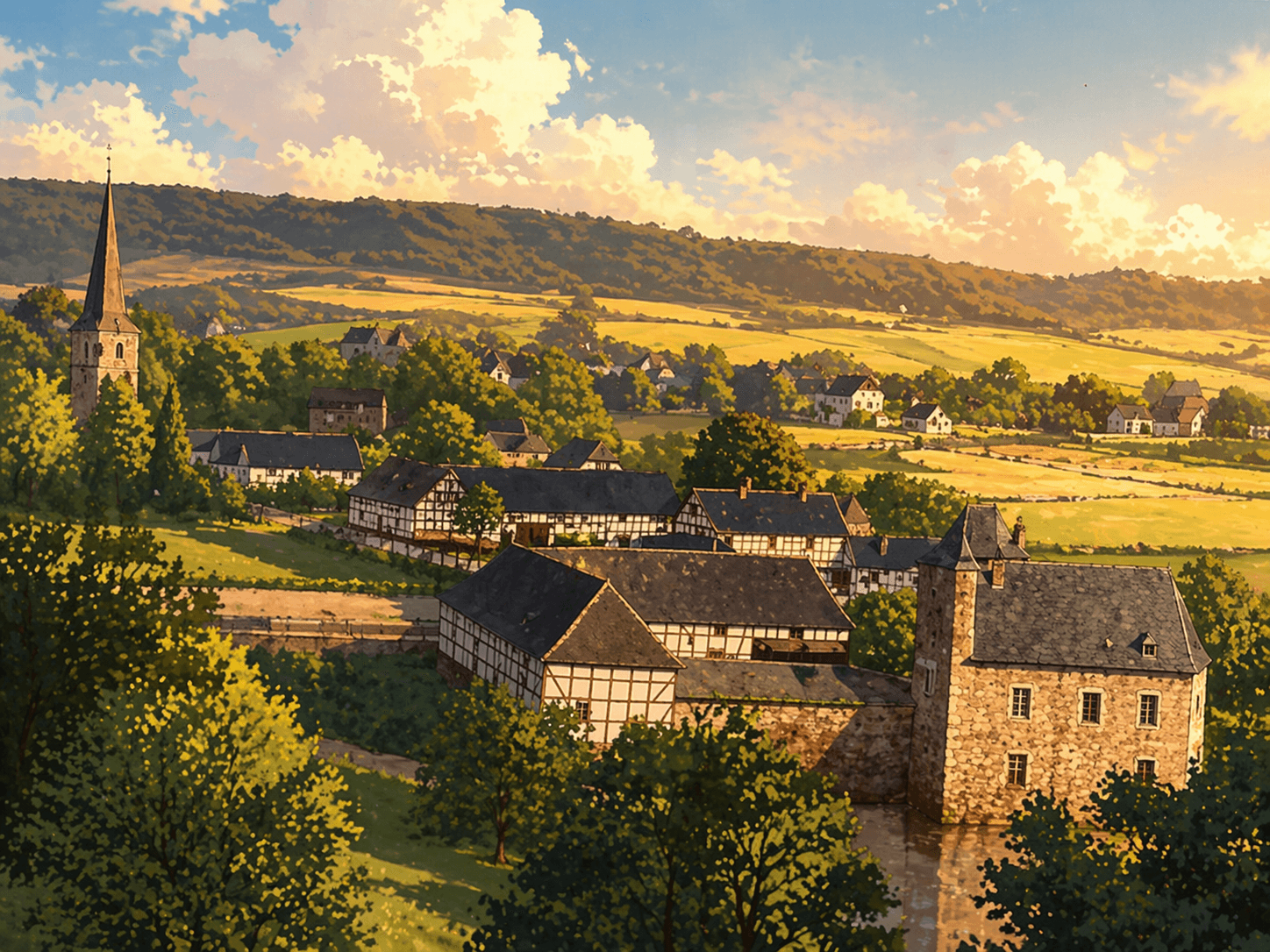
In March 2026, several meetings of Wachtberg’s local committees were in focus. Municipal governance demonstrated transparency, citizen orientation, and structure. In this in-depth blog, we examine the developments in the local districts of Niederbachem, Fritzdorf, and Berkum.
Governance in Wachtberg: Transparent Decision-Making and Municipal Structures in March 2026
In March 2026, the city of Wachtberg set a clear signal for transparent and citizen-oriented governance through its local committees. In the local districts of Niederbachem, Fritzdorf, and Berkum, several meetings were held that not only addressed current topics but also reflected structural developments in municipal administration. These meetings illustrate how Wachtberg shapes decision-making processes to promote civic engagement and make administrative actions comprehensible.
Structural Developments in the Local Committees
The local committees in Wachtberg are a central part of municipal self-government. In March 2026, several districts made personnel and organizational adjustments. For example, in Niederbachem, Andreas Wollmann was unanimously elected as chairperson of the local committee. Fabian Langen took on the role of deputy chairperson, and Andrea Lohmeier became secretary. These appointments reflect the continuous development of the local committees, which function as central points for municipal participation in Wachtberg.
In Fritzdorf, the structure of the local committee became clearly defined. With Michael Kaspers as chairperson and Elisabeth Hüllen as secretary, a stable body was established that made decisions transparently and unanimously. The unanimous recommendations for measures such as the pump track and playground optimization show how efficiently the local committees in Wachtberg can operate.
Topics in Focus: Traffic, Infrastructure, and Citizen Participation
The topic range of the local committees extended from traffic planning to the digitization of administration. In Niederbachem, the expansion of the bicycle street and the planning of charging stations for electric cars were among the focal points. In addition, the accessibility of bus stops was discussed, highlighting the focus on inclusive infrastructure.
In Fritzdorf, the local committee discussed the improvement of park facilities and the establishment of 30 km/h zones. The recommendation to install a Smiley Speedometer at the bus stop shows how Wachtberg supports smaller but practical measures to improve quality of life.
The public question time in Niederbachem and the open discussions in Fritzdorf illustrate that Wachtberg values active citizen participation. The meetings are not only accessible to council members but also to interested citizens – a crucial factor for building trust in municipal politics.
Communication and Transparency: Digital and Analog Approaches
Transparency in decision-making processes is another important element of governance in Wachtberg. The minutes of the local committee meetings are not only internally documented but also publicly available on the municipality’s homepage. This enables broad traceability and promotes civic participation.
In addition, the use of digital tools was discussed in several meetings. The software "Sitzungsdienst Session" was used to document voting results and decisions. Such digital solutions contribute to improving communication between administration, politics, and the public.
Outlook: Stability and Progress in Municipal Governance
March 2026 was a month in Wachtberg that underscored the strengths of municipal governance. The local committees acted in a structured, transparent, and citizen-oriented manner. The unanimous decisions, clear communication channels, and inclusion of citizens show that Wachtberg is on the right path to being a modern, participatory municipality.
In the coming months, the focus will mainly be on implementing the adopted measures and further developing long-term planning. The next meetings in November 2026 will show how the local committees continue to evolve and whether new challenges such as digitization or climate change come into focus.
NeoSearch analyses public council documents, committee minutes and municipal announcements. Source references appear automatically once verified meeting data is available.
What does this mean for businesses?
Town halls, fire stations, depots and administrative buildings create early construction and refurbishment opportunities. Following council agendas reveals projects before they go to tender.
Track similar decisions in your region
Set up monitoring for public buildings & administration in Nordrhein-Westfalen — prefilled from this article.
Set up monitoring →More signals from Wachtberg
Governance and Administration in Wachtberg: Focus on the Arzdorf Local Committee in April 2026
In April 2026, important governance decisions came to the forefront in Wachtberg, particularly through the work of the Arzdorf Local Committee. In this analysis, we examine the agenda, background, and significance of the meeting held on April 14, 2026.
Read more → Barrier-free Infrastructure, Building Acceleration, and Energy Storage: Urban Development in Wachtberg in April 2026
In April 2026, the municipality of Wachtberg focused on barrier-free infrastructure, accelerated construction processes, and forward-looking energy projects. The emphasis was on implementing concrete measures in civil and underground construction, reviewing traffic projects, and adapting municipal planning guidelines in line with the Bau-Turbo Act.
Read more → Wachtberg: Energy Strategy and Local Heat Supply in April 2026
In April 2026, Wachtberg is placing greater emphasis on regional energy solutions. Municipal heat planning and the expansion of decentralized energy sources such as microgrids and balcony power plants are moving to the forefront. At the same time, infrastructure measures for heavy rainfall are being optimized.
Read more →