Traffic and Mobility in Solingen: Speed Limits, Stops, and Climate Protection in Focus
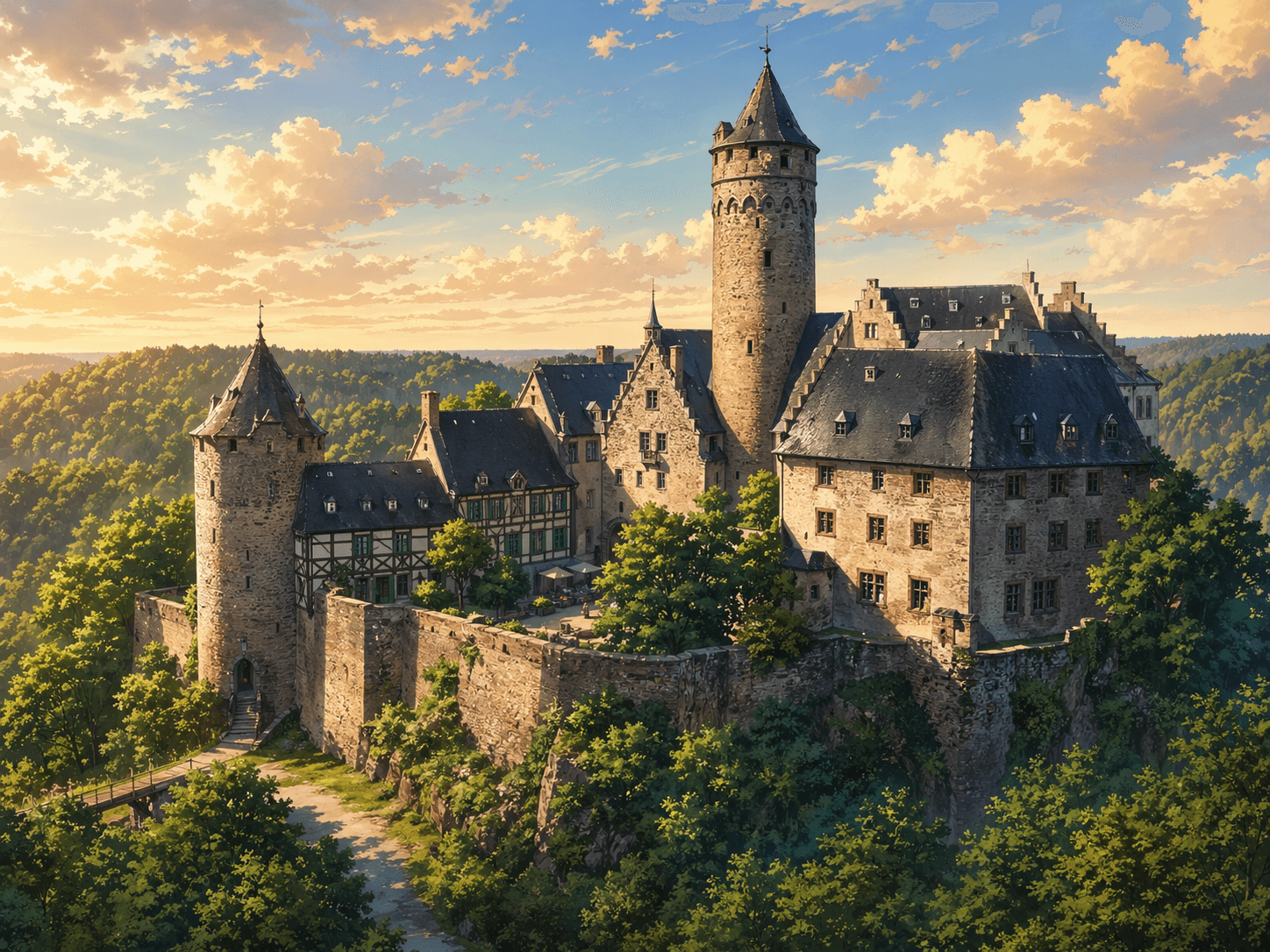
In February 2026, Solingen set key directions in the field of traffic and mobility. Alongside the continuation of the 30 km/h concept and the modernization of stops, climate protection, barrier-free access, and public participation were central themes. An overview.
Mobility Development in Solingen: 30 km/h Zones, Stops, and Climate Protection
The city of Solingen is increasingly focusing on sustainable, barrier-free, and climate-friendly mobility in its transport policy. In February 2026, several decisions were made that will shape the city's traffic structure and have long-term effects on the quality of life of its citizens. The main priorities include reducing traffic speeds, modernizing public transport, and integrating climate protection measures into urban transport planning.
30 km/h Zones: Public Participation and Safety
Solingen continues to consistently implement 30 km/h zones to increase traffic safety in residential areas and protect the climate. In February 2026, new zones were established in several districts, including Van-Meenen-Straße, Meigener Straße, Marienstraße, Stockholmer Straße, and Schwanenstraße. These measures reflect the outcome of an intensive public participation process – many suggestions were directly integrated into the concept and marked with "B" (Mobility Committee) or "D" (Citizen Request).
The costs for implementing the zones range from 1,000 to 9,000 euros per zone. These are funded through the PSP element 5.540101.0028.500.400, which is explicitly allocated for traffic signs and traffic safety measures. However, not all requests can be implemented – main roads like Oberhaaner Straße are excluded as they are classified as K6 routes.
Modernization of Public Transport: Stops and Digital Passenger Information
Another milestone in mobility development is the modernization of stop infrastructure. As part of the German Railways' "Capacity Offensive at Stations," the new stop Solingen-Meigen is being created. With a budget of around 60,000 euros for construction (2027) and 6,000 euros for planning costs (2026), the bus stop "Steinacker" will be connected in a barrier-free manner.
The equipment includes two outdoor platforms with barrier-free ramps, weather protection shelters, lighting, and wayfinding systems. Particular attention is paid to the integration of DSA+ Premium Type 2 displays, which provide digital travel time information with loudspeaker functionality. This measure is part of a comprehensive project for stop modernization, in which a total of around 5.1 million euros is being invested in dynamic passenger information displays (DFI). Of this, 90% is eligible for funding from the Rhine-Ruhr Transport Association (VRR).
Climate Protection and Barrier-Free Paths: Future-Oriented Transport Planning
Transport planning in Solingen is increasingly focused on climate protection and barrier-free access. The city promotes low-emission mobility through the expansion of electric mobility infrastructure and the environmental network. In the field of pedestrian traffic, projects such as "beSITZ- and beSPIELbare Stadt" create a barrier-free and attractive environment.
Another project, the renovation of the ramp structure at the Botanical Garden, demonstrates the integration of climate protection and sustainability. With total costs of 196,849 euros, the existing ramp will be demolished and replaced by a new one. The measure is part of the ISEK Wald program and is financed 80% through grants. In addition to the structural renovation, erosion protection and a new bicycle rack system will also be installed. Three deciduous trees must be felled; in return, three new ones will be planted nearby.
Forward-Looking: Mobility 2028 and Beyond
The measures Solingen decided on in February 2026 are not short-term actions, but part of a long-term strategy. The modernization of stops, the 30 km/h zones, and the barrier-free infrastructure are steps toward a sustainable, climate-friendly, and inclusive urban planning.
Planning for 2028 is already underway, in which the stops of lines 681 and 682 will be modernized with a uniform design and equipment concept. The costs for stop signs alone amount to around 1.2 million euros, representing a significant investment in the city's infrastructure.
Solingen proves with these decisions that mobility is not only about traffic, but about quality of life, safety, and future viability. The cooperation with the public transport passenger advisory board, public participation, and the integration of climate protection goals into planning are key to the success of this strategy.
NeoSearch analyses public council documents, committee minutes and municipal announcements. Source references appear automatically once verified meeting data is available.
What does this mean for businesses?
Town halls, fire stations, depots and administrative buildings create early construction and refurbishment opportunities. Following council agendas reveals projects before they go to tender.
Track similar decisions in your region
Set up monitoring for public buildings & administration in Nordrhein-Westfalen — prefilled from this article.
Set up monitoring →More signals from Solingen
Solingen Invests in Modern Sports Infrastructure – Sports Committee Approves Renovations and Expansions
In April 2026, Solingen made significant decisions regarding the modernization of its sports and leisure infrastructure. The Sports Committee approved comprehensive renovations, including the modernization of the Ittertal Outdoor Pool, the enhancement of the Jahnkampfbahn stadium, and the preservation of the ice sports hall. These measures reflect the city's central focus on sustainability, barrier-free access, and sporting diversity.
Read more → Solingen in the Cultural Spotlight: April 2026
In April 2026, Solingen set important impulses in cultural and community policy – from the modernization of the city library, the restructuring of cultural management, to cultural cooperation at the art museum. An overview of the significant developments.
Read more → Education Policy in Solingen: Outlook for April 2026
In Solingen, the Committee for Schools and Further Education is intensively engaged with topics such as school social work, digitalization, construction projects, and the future of vocational training. The month of April 2026 marks decisive milestones in the education policy of the city of blades.
Read more →